@the_codifier I have a positive hunch about the collaboration between Motorola and GrapheneOS. And I think that it’s going to be a win-win.
GrapheneOS needs a reliable hardware partner, without being exposed to the risk that the next version of the Pixel phone will permanently lock the bootloader.
And Motorola needs to carve its own niche, and taking the crown of tinkerability that once belonged to Nexus and Pixel sounds like a good strategy (and they’ve already been making good phones with more-or-less stock Android for a while). According to some back-of-the-envelope estimates ~10-15% of the Pixel users run GrapheneOS - Motorola has identified a reliable niche to penetrate.
But the software side of the equation is still a problem.
I’m honestly not sure of how any future age verification APIs may be implemented on the OS, if and how they will percolate into the AOSP too or will be mostly contained in the Google Play Services and can be sandboxed, how easy it will be to get rid of them, how many Android apps will break if you try to bypass it, and how doable it would be for GrapheneOS to keep maintaining their forked version.
And I’m also not sure of how future modifications to the Android apps ecosystem through the developer verification process will impact also open-source implementations of Android - since in the worst case scenario they will also impact F-Droid.
GrapheneOS+Motorola is probably a good patch for the immediate problems, but probably not one that I’m likely to invest on the long term. For the simple fact that the Android ecosystem in general has become increasingly hostile and it’s trying at all costs to become more like Apple.
 chrissicool ✅
 Fabio Manganiello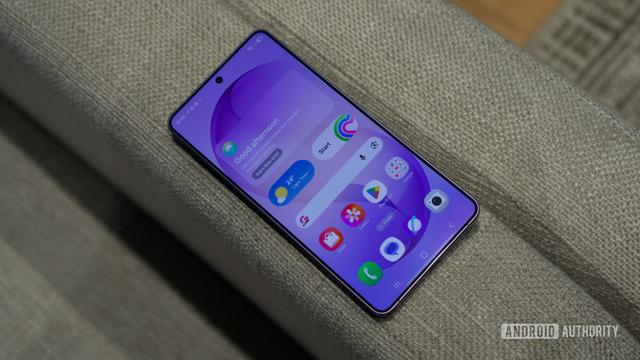
 Aho
Aho ℒӱḏɩę 💾☮∞🎶♲☀🔋
 Val Packett 🧉
 Adam Dalliance
 Andres
 Colin
Colin Daluk Starglyder
 Luck Goddess 🌒🌕🌘 (They/She)
 Jeff MacKinnon
 Michal
 myrmepropagandist
 bublboblz
 PonderStibbons
 The Great Llama
 Radomír Žemlička
 G1itchbit
 Kristoffer Lawson
 JesseBot
 𝔸𝕟𝕔𝕚𝕖𝕟𝕥 𝕊𝕠𝕦𝕟𝕕𝕤 🔉
 Nigel
Nigel Janik Ramírez
 Oleksii
 Jorongo Ringo
 Cyberhero 🇩🇪 🇪🇺
 BoloMKXXVIII
 Julian
 Sandrão
 conejo
  🐰
🐰