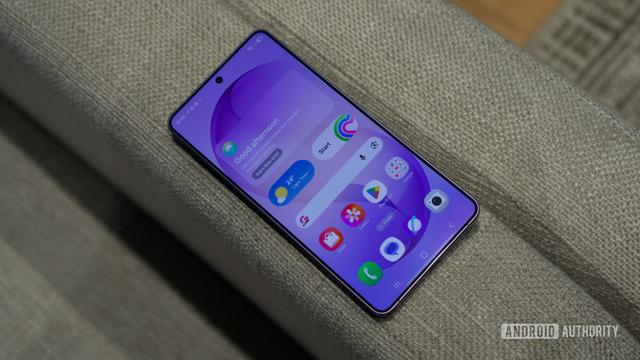
#Samsung devices from today can no longer install custom ROMs.

Odin is gone and the Download Mode is also gone, which makes life hard also for repair services that want to restore a device.

This is your daily reminder that #Android is a liability, and major hardware manufacturers who ship Google’s version of Android are a liability too.

We need to get Linux phones to work, and we need manufacturers who are aligned with our principles.

https://www.androidauthority.com/samsung-disables-odin-removes-download-mode-3648469/

Samsung's latest update is a serious gut punch to Galaxy power users

Samsung has released a controversial update that disables a tool widely relied upon by power users and service centers.

Android Authority

@fabio Every Linux phone available is horrible with ancient hardware and low-end specs. The best one I know of is: https://furilabs.com/shop/flx1s/

And it's still some Mediatek crap. We need Snapdragon powered Linux phones.

Shop

Shop - FuriPhone FLX1s Linux Phone

FuriPhone FLX1s Linux Phone

@Lydie I know, but I’ve also been hearing the same story since 2007 (from the time I bought my first Nokia 770) and not much has changed since then.

There’s always been this chicken-and-egg problem where not enough developers would put efforts in making Linux phones usable unless there’s a phone manufacturer that is also onboard with it, which funds the efforts instead of relying on devs building PostmarketOS or Sailfish workarounds to work with cameras and modems in their spare time, and which ensures that the efforts of the developers aren’t thrown to waste when the next model comes out. Oh, and as long as we can’t tell people that their banking apps or national ID apps will also keep working on a Linux phone.

Librem and Jolla are the closest we’ve come to hardware manufacturers actually invested in a Linux phone, but they’re still too small, rough around the edges and overpriced for the bad hardware that they sell (and that’s the other chicken-and-egg problem, in order to be competitive on pricing you need economies of scale, and you can’t have economies of scale around new products and processes).

I think that a big part of the problem has also been people’s complacency - as long as Android is around, it’s kind-of open-source and I can still install a custom ROM, I’m fine. I feel like that must end and we must start building usable alternatives with more urgency.

@fabio 💯 🎯 You are not wrong. Definitely what you refer to as chicken and egg is basically supply and demand.

We need a company like OnePlus to just go for it, make a splash.

@Lydie @fabio well instead of creating new niche ewaste maybe someone could try polishing pmOS on some existing models, buying up a stock of those models, preflashing and selling them?…

BTW, not true that postmarketOS is all spare time hobby development. There is funding. Also e.g. Fairphone works on upstreaming their own devices (that are initially sold with Android).

@valpackett @Lydie I know that pmOS has some funding, but it’s literally 3-4 orders of magnitude lower than it should be if we wanted it to become something that even non-deep geeks can use.

I also agree that the biggest chunks of funding should be focused on making pmOS work well on a few flagship “platinum support” devices. GrapheneOS tought that even if you OS works only on one model of devices, if it works good enough to be rock solid, and installing it is as easy as plugging in your phone and using a Web installer over WebUSB, then people will just buy that device. That could mean less resources to support the long tail of devices where pmOS works ok-ish, but it’s ok - if I need any further support for pmOS on my Nokia N900 and Nexus 5 I can also handle it myself.

And given the work pmOS has already invested in making the OS work well on phones, I’d also be ok to see most of the funding focused on making them succeed (especially now that they support systemd 🙂)