
Someone asked me about ham radio antennas today, built one out of scrap parts to give them. Radio antennas are easier in metric. πŸ€”

Fancy 3D printed parts are not necessary.

This is from the "practically free" school of antenna builders. (Random spool of wire acquired somewhere for $1, scrap pieces of PVC from out in the yard, and the antenna connector off an old broken CB radio that would have otherwise e-wasted).

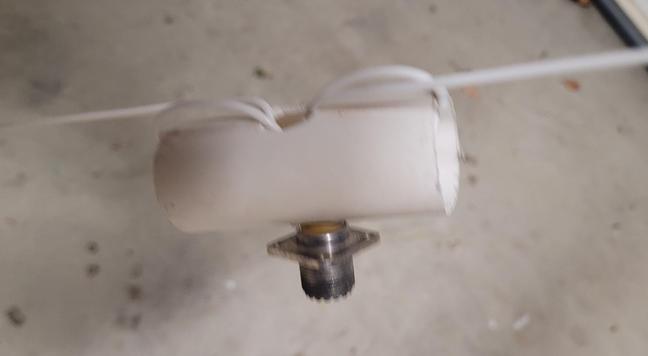
#hamradio #antenna

The cheapest version of these you see for sale are around $50. The "tactical version" will cost you $460 (in camo and with fancy carrying case and fancy 3D printed antenna wire holders). πŸ™„

(I make more contacts on my el-cheapo free antennas than people who buy any "tactical antenna" ever will).

#antennas #hamradio

They teach you the "English system" on antenna calculations in the US.

468 / Frequency = half wave dipole in feet
Then multiple by 12 for inches, divide by two for each side blah blah blah

In meters, 142.5 / Frequency = half wave dipole... but it corresponds to the band names.

In meters, for a 10 meter dipole at 28.500... you need an antenna that is 5.000 meters (half wave of 10 meters). πŸ™„ That's WAY EASIER.

20 meters at 14.250Mhz? 14.250/142.5 = 10 meter half wave dipole.

#math #antennas #hamradio

@ai6yr
Also, it is much easier to use a single voltmeter, than having to have several for voltinches, voltfeet, voltyards, and voltrods.