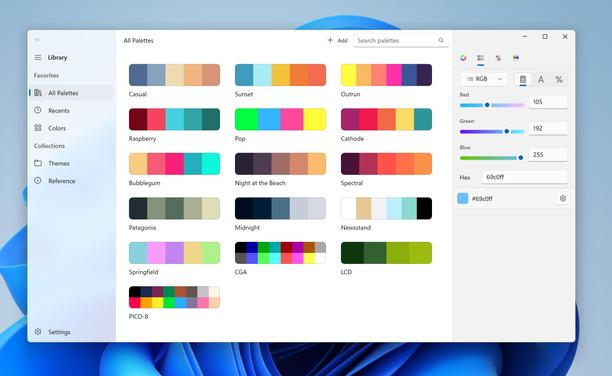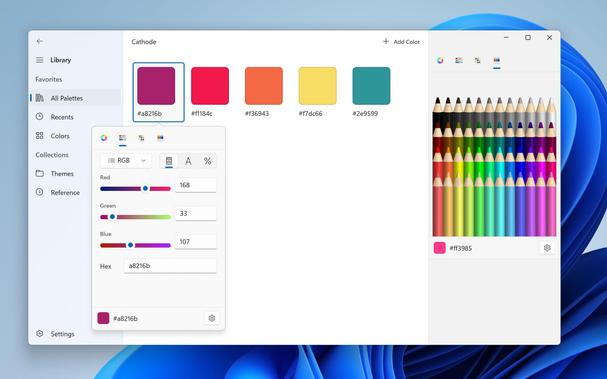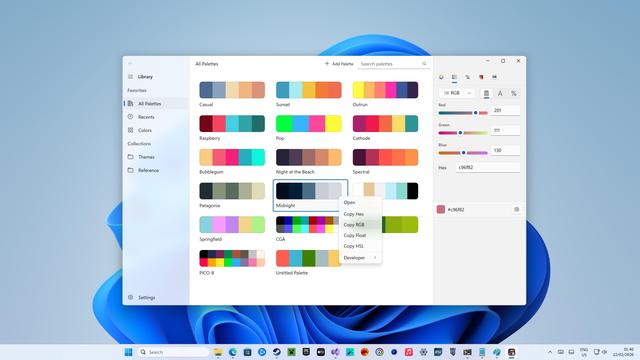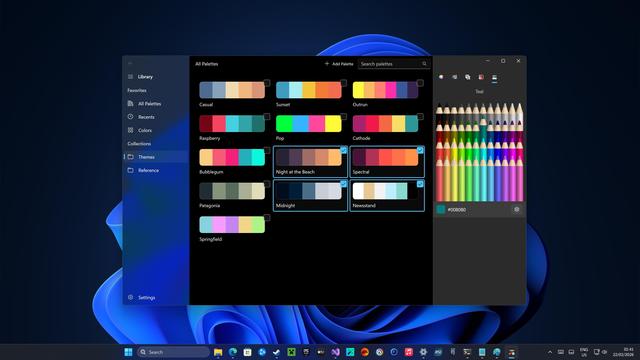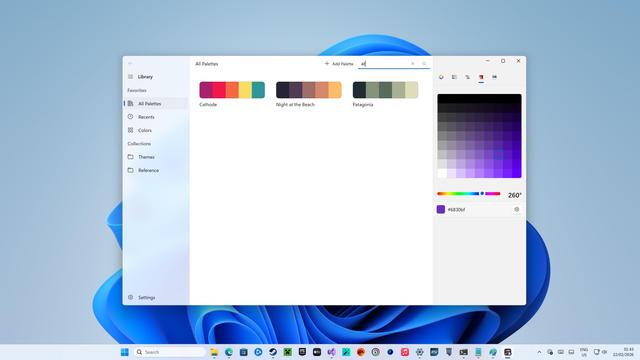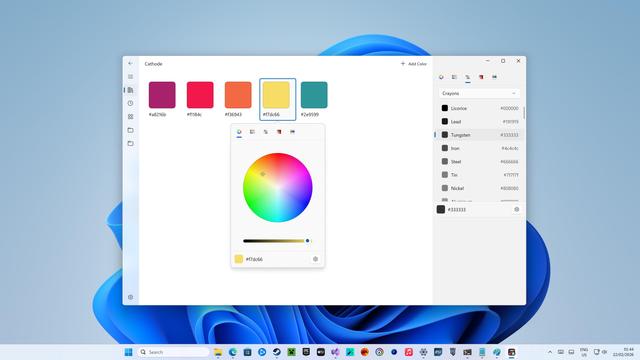
Turns out Codex is just as proficient at writing for the Windows App SDK, so I jumpstarted it with the existing unfinished UWP version of Pastel, and, like before, pointed it at the existing Swift codebase to begin porting it piece by piece to Windows 11. This is by no means a one-shot, I am slowly and methodically recreating the functionality of the Mac app.

Of course, there is no native version of Codex for Windows, so I'm running the Linux version under WSL, and Visual Studio 2022 to compile
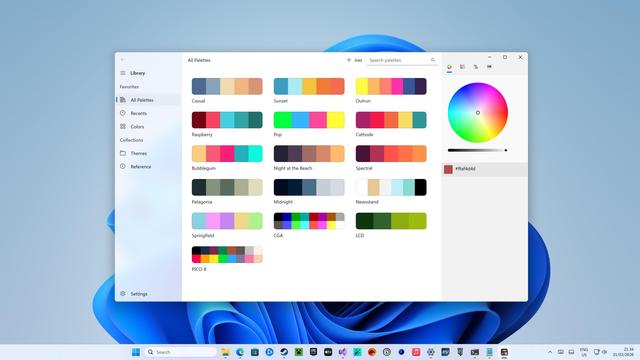
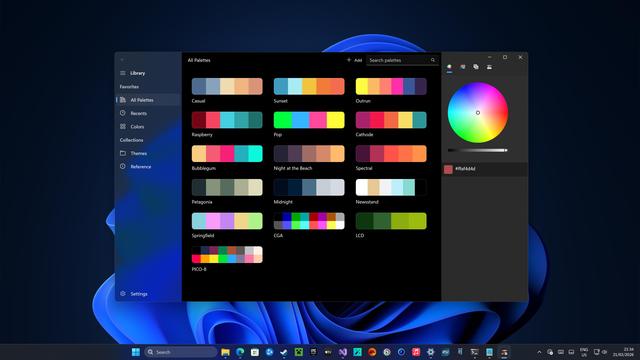
Light Mode | Dark Mode
Watching Codex recreate in seconds things that took me months, maybe even years, to implement the way I wanted 🥲
We are actually deeply cooked
Just ploughing through this Windows port, with some pretty complex bespoke UI
Editing flow; you don't even have to squint to see how a finished app might work. Something that I would have had to take months to build at the expense of the iOS version, done in a night's free time after a full workday doing more-productive things. I always wanted to finish Pastel on Windows, but I had reluctantly accepted that I could never invest that kind of time — save for some kind of catastrophe that left me excluded from the Apple ecosystem. Now? Trivial.

⭐️ Some more shots of all the working aspects of this Pastel for Windows project, using .NET 8.0 and the Windows App SDK (and Community Toolkit), ported from the iOS codebase and my original UWP prototype by OpenAI's Codex 5.3.

It's not a full app yet, but it's dangerously close.

It's hard not to think that agentic programming, or agentic porting, could have outright saved Windows Phone, had this all been possible a decade ago

It's only when you start trying to use a UI framework that you realize all the little things that are missing — like Windows' grid view doesn't have a drag-select API, it all has to be done custom. Or like how its alert boxes have no way of indicating a destructive item

@stroughtonsmith When I was last dabbling with a WinUI project a couple years ago, the one I ran into that really surprised me is that it has no built in counterpart to NSTableView with columns/headers/etc. MS instead points you at a third party library that got stuck in the Metro era with its visual design and doesn’t fit in with Fluent.

That’s such a fundamental piece to be missing from a desktop UI toolkit.

@johnwells I expect it doesn't have them for the same reason UIKit doesn't have them — it *isn't* a desktop toolkit, but it's been repurposed as such. Desktop apps with column headers stay on WPF or Win32. Shame
@stroughtonsmith @johnwells Well, technically, it’s a repurposed desktop toolkit (wpf) repurposed as a web toolkit (silverlight) repurposed as a tablet toolkit (DXAML) repurposed as a mobile toolkit (WinPhone 8+) repurposed as a desktop toolkit (Win10+). But, your point is accurate!