Art moves people and touches their hearts. Politics aims to improve people’s lives.

Artists try to connect with others and make the world better through aesthetics and truth.

Politicians, in the true sense of the word, work for the common good and want to improve the world as well.

#Art
#Politics
#ArtAndPolitics
#Democracy
#Society
#Culture
#Philosophy
#PoliticalArt
#CommonGood
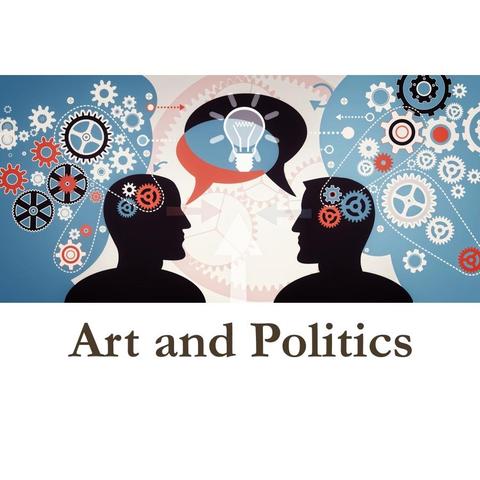
Art takes life — the visible and the invisible — and speaks about it on a level beyond reporting. It invites people to think and to feel, in a language that must be learned.

Politics analyzes conditions, identifies shortcomings, and acts within the rules to address them. It communicates what is happening and what needs to be done. Sometimes it implements measures that are not immediately obvious or intuitive — because it believes them to be right.

Both art and politics can become elitist.
Art is allowed to be. Politics is not.

For art to have a broad impact, its core must be understandable to many people, even with minimal prior knowledge. Additional layers may exist, accessible only to a smaller circle.

Politics in a democracy also needs to be understandable. But unlike art, it must not contain hidden layers with secret intentions known only to a few.
Democratic self‑correction — the collective intelligence of a diverse population — prevents such hidden agendas from taking hold.

Politics in Western democracies suffers from short election cycles and from distorted perceptions shaped by social media, where algorithmic messages hit people without context or control.

Art floats alongside this and mirrors the dilemma. To change it, it would need a political agenda — but then it would no longer be art.

So art can only lay the foundation for political change. It must then step back and hope that committed politicians recognize that foundation and build upon it.