 mcc
mccScience fiction novel about, and from the perspective of, a species from a planet with liquid methane oceans; periodically throughout the novel water must be discussed, and they perpetually refer to it as "liquid ice"
 allison
@aparrish if i understand right, if you're in deep space, ice should be one of the hardest substances around. as you approach absolute zero it has a hardness of 19, twice that of diamond. it would make absolute sense to use as a building material for spaceships or on deep space asteroids
 Benjohn
 Ratsnake Games 🔞
@ratsnakegames @aparrish put an outer layer on it. Put the ice in a plastic bag or something
 Howard Chu @ Symas
 Hugo Mills
 🆘Bill Cole 🇺🇦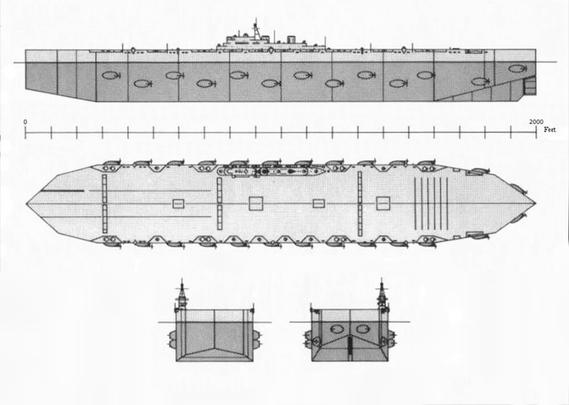
@mcc now i'm imagining a roland emmerich-style film in which an interplanetary disaster forces us to abandon earth and colonize the outer solar system. under pressure to build infrastructure as quickly and expertly as possible, the world's governments have no choice but to put humanity's fate in the hands of a ragtag band of ice hotel architects and traditional inuit builders
 Darby M. Dixon III
@aparrish Armageddon 2: you can teach a hotel concierge how to draft space blueprints but you can’t teach an architect how to do basic hospitality
 Kevin Granade
@mcc @aparrish no way can I recall the title, but this reminds me of a short story centered around a deep space ship making a stopover at a planetary colony to replenish their stock of ablative ice chunks they installed in front of their ship to absorb micrometeorite impacts.
The interesting parts were how the politics of this situation impacted the colony, as it represented an infusion of technological knowledge and hardware as well as an "escape" from the colony for many of the inhabitants.
 Dag Ågren ↙︎↙︎↙︎
@kevingranade @mcc @aparrish Songs of a Distant Earth by Arthur C. Clarke. Available both as a novel and a short story, apparently, I only read the novel.
 01d55
01d55@mcc We learned how to synthesize diamonds but did not start building things out of diamond because being harder than steel does not allow diamond to hold up a building better than steel. I suspect no rigid crystal is going to beat metals.
 Andrew Wade
 Timothy Entertainment Skull
@mscibing I think reports of the Brinell hardness of ice (>17 below -50C) are being compared to the Mohs hardness of diamond (10) instead of the Brinell hardness of diamond (est ~8000 but the Brinell test indenters are softer so idk if an actual measurement is possible)