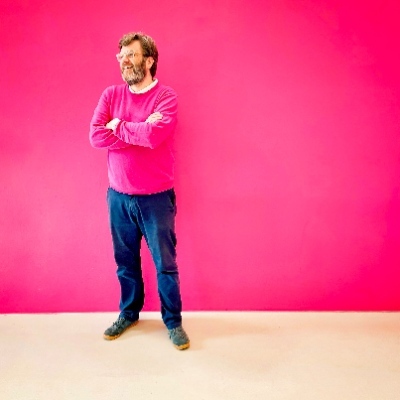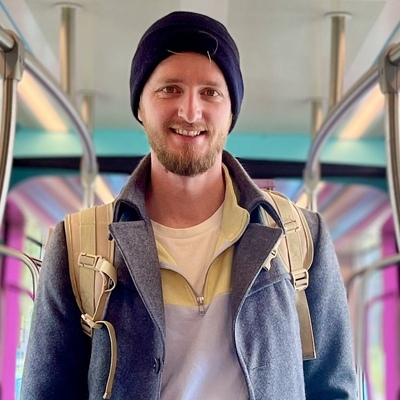
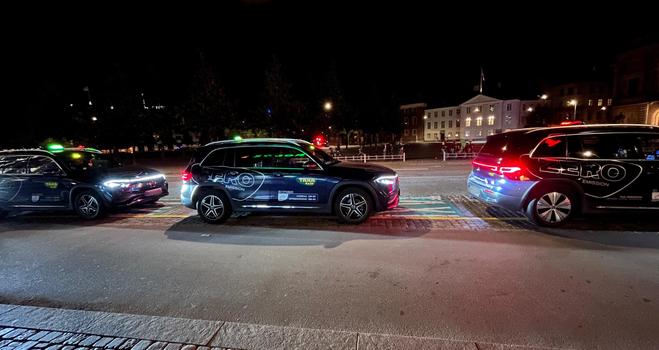
Eine kleine Freude in Kopenhagen ist für mich auch, dass die Ergebnisse meiner alten Arbeit dort an jeder Ecke sichtbar sind. In der ganzen Stadt sieht man eAutos aus deutscher Produktion, von denen unser Bundeskanzler schwafelt, es gäbe für sie keinen Markt.

Die Mercedes EQB und EQA dort so viel zu sehen, macht mich stolz und ich würde mir wünschen, die Leistungen von Ingenieur*innen würde von Deutscher Politik auch solche Wertschätzung erfahren.
#IchBinIngenieur_in

Kopenhagen könnte auch noch vieles besser machen und ich finde auch die Preise, mit denen sie Fortschritte im Verkehr erkaufen - Versiegelung, Verkehrsflächen (an)bauen statt substituieren, Finanzierung durch Immobiliengeschäfte und damit Kosten für Wohnraum - bieten sinnvolle Diskussionsgrundlagen, für strategische Betrachtungen von Verkehrsentwicklungen in Deutschland.

Im Gesamtpaket läuft es in Kopenhagen aber besser. Nicht perfekt und damit ebenso, dass man es anders und besser machen kann.

Zurück zu den Innovationen in Kopenhagen: manche davon kommen aus Deutschland, nicht nur für die Autoantriebe. Die Stadtbahnen der #HovedstadensLetbane sind #SiemensAvenio.

Deutsche Unternehmen können innovative Produkte entwickeln und produzieren. Sie sind damit im Ausland gefragt. Die deutsche Politik aber ist immernoch enorm innovationsfeindlich. Mit all der Begeisterung für das Verbrennen von Öl und Gas, sind viele Politiker*innen blind für Arbeitsplätze mit Zukunft.
https://www.urban-transport-magazine.com/siemens-avenio-design-fuer-kopenhagens-stadtbahn-vorgestellt/

Siemens Avenio Design für Kopenhagens Stadtbahn vorgestellt - Urban Transport Magazine

Dänemark ist im Stadtbahnfieber: Nach der schrittweisen Eröffnung der Straßenbahn mit TramTrain Abschnitten in Aarhus, sind zwei weitere Stadtbahnsysteme in Odense und in der Hauptstadt Kopenhagen in Bau. Hovedstadens Letbane ist der Name eines neuen 28 km langen Stadtbahnsystems, das derzeit im Großraum Kopenhagen, Dänemark, im Bau ist. Die erste Bauphase wird Ring 3-Linie genannt. […]

Urban Transport Magazine
@thijs_lucas Selbst die chinesische Regierung macht aus dem Notwendigen einfach ein gutes Business. Nur Herr Merz und seine Leute verstehen das nicht.

@kaffeeringe ich finde, die chinesische Regierung erkennt Notwendigkeiten und versteht, dass man dankt Geld verdienen kann, weil Notwendigkeit eine natürliche Nachfrage erzeugt.

Die deutsche Politik neigt leider immer noch dazu, veraltete Technologie mit Kombinationen aus Subventionen und komplexen Regularien künstlich vor Konkurrenz durch Fortschritt und Innovation abzuschirmen.

China schafft durch eigene Leistungen und die deutsche Bräsigkeit Vorsprung an Zukunftsmärkten.

@thijs_lucas Die Energiewende in Schleswig-Holstein ist unter anderem deswegen so weit, weil glaubhafte Leute wie Günther Jansen den Bauern erklärt hat, dass sie mit Windkraft ein zweites Standbein aufbauen könnten: https://www.spd-geschichtswerkstatt.de/wiki/Energiewende

Wenn ich mit meinen Cousins spreche, die Bauern an der Westküste sind, freuen die sich tatsächlich sehr über das Zusatzeinkommen ohne Arbeit. In Dithmarschen und Nordfriesland steht alles voll mit Windkraftanlagen und Solardächern. Die gehören allen den Leuten, die da rundherum wohnen.

Warum klappt so etwas heute nicht mehr?

Energiewende – SPD Geschichtswerkstatt

@kaffeeringe ich war letztes Wochenende in Heide bei Freunden. Die haben ihr Geld nach dem Abi auch in genossenschaftliche Windkraftanlagen investiert und sind davon sehr begeistert. Und sie sind unglücklich über die Entwicklung, dass immer mehr Großprojekte gebaut werden, die sie von Investitionen ausschließen, während die Gewinne dann in die Fremde gehen.

@thijs_lucas

1/2

Ist doch klar, zum einen sind die Projekte immer größer geworden. Gleichzeitig gibt es immer mehr Investoren die nicht wissen wohin mit dem Geld.

Bei Bürgerprojekten sind halt viel zu viele am Projekt beteiligt die auch noch unterschiedliche Interessen verfolgen.

Da hilft nur selber ein Projekt anstoßen.

Viele Gemeinden sind klamm, da sind solche Projekte sehr willkommen.
Die stellen dann z.B. auf Kitas / Schulen Dachflächen zur Verfügung.

@kaffeeringe

@thijs_lucas

2/2

So werden diese Gemeinden "kostenlos" Co2 neutraler.

Wenn man dann gut verhandelt, kann der Strom > 8 Cent verkauft werden.

Denn einer der Abnehmer ist ja gleich unter der Anlage.

Somit spart die Gemeinde trotzdem noch ein Teil der Strom kosten.

@kaffeeringe

@thijs_lucas @kaffeeringe

In meiner Heimatgemeinde in Nordfriesland wird (oder wurde) gerade der dritte Bürgerwindpark gebaut, was meinen Eltern, die in allen drei dabei sind, echt ein gutes Einkommen neben der Rente bringt - und perspektivisch mir und meinem Bruder.

Dazu spült es Geld in die Kasse der Kommune und es ist auch etwas, das die Gemeinde zusammenbringt - das darf man auch nicht unterschätzen.

Und für die Landwirte ist das eh ein super Geschäft.

@kaffeeringe @thijs_lucas weil alle, die so direkt profitieren können, es gemacht haben. Jetzt bedarf es auch der Beteiligung der Bevölkerung ohne Grundbesitz. Es gibt genügend Kommunen, die zeigen, dass das geht.
@thijs_lucas Sorry to say so, Copenhagen don't need more cars in the streets, wheter they are electric or not. The council of Copenhagen are cancelling many parking spot in the city, and that is a good thing if theese are exchanged for greener enviroment aka parks.

@aj42 yes! Reduction for sure is most important. But for what can (for now) not be reduced I would love to see at least modern drive trains - so electrification. Something that is framed as somewhat impossible by German politicians.

What I am also wondering when in Copenhagen is what the development of the overall parking situation is. I do recognise and appreciate the rather little on street parking but I would see many neighbourhood garages.

@thijs_lucas there are many parking garages in the outskirts cities from where you can go to and from by S- and Metro trains etc. One of the bigger problems are the gigantic tourist busses roaming the inner city, and the number of tourists is rising exponentiel 🫣

@aj42 i have seen garages in the rather young neighborhoods of Ørestad, not open for public but for the people from the neighbourhood I believe. Tourists there would arrive by plain, not car or would they?
(Still my picture is far away from complete)

I also found the roads to be built wider than needed. Of course with great bike lanes and wide pavement too, but the motorists' lanes are so wide they could suit heavy bus traffic without any need for the width.

@thijs_lucas that is true, I think, they are not open for the public. ONE of the main problem with cars are that the for the most parts comes in from outside the city and into / though the city in the morning / afternoon with big trafic jams as the consequence. This because our public transportation system is old fashion and not-trustworthy by car-owners eg. 🫣
@aj42 🫣 when I come to Copenhagen I see an amazing public transport system. Additionally the super cycle highways are amazing too. But it is the same problen in German cities: most traffic problems are forced into the cities from satellite places that focus entirely on car traffic.
@thijs_lucas yes, on a whole public transportation works in Copenhagen, though it's expensive and worn down 😬
Yes Copenhagen is famous for those super bike lanes, but not the No 1 bike capital anymore. To many bikes on old, worn out bike lanes, in general 🫣

@aj42 ^^ I lived in Stuttgart Germany's number one car city (even though we have worse) for twelve years and my expectations towards infrastructure are very low ...now I live in Kiel, one of Germanys better cities that is way behind Copenhagen still.

And when in Copenhagen with my colleagues I love discussing what could be done better and there are options from an engineering perspective. The politics that made the current quality possible in first place though, they make me curious the most.

@thijs_lucas the politics, that's intetesting. The town mayor of Copenhagen are not a social democrat anymore, she is now from the Social Folk party. They are more enviromental and focused on public transportation 🥳😊
When I was in Hannover some years ago I discovered that the pavement/sidewalk also were the bike lane 😬🤯

@aj42 this bad habit of calling walking infrastructure also cycling infrastructure is very often the best agreement that German politics can agree on. Hanover is now considered over of Germany's top cycling cities. They have made progress but Germany is far away from good.

What I find about Denmark is that there seems to be an acceptance that at least all modes of transport have a minimum of good quality infrastructure that is on any way better than what we get in Germany.

@thijs_lucas I think because tourists on bikes are not used to the separation of sidewalk and the bike lanes it is not a rare sight that they ride the bikes on the sidewalk (because the bike lanes are crowded?) 😬

@aj42 yes, cycle path in Copenhagen are so wide and coloured just like the car lanes that they can be mistaken for just that.

We, my family and I, where in Copenhagen last week. The first time for my wife. She is quite aware of cycling and infrastructure and so. Very early I said "just to make you aware, this is the cycle way" while we were walking to a bus stop and she stopped, checked and recognised that she didn't recognise it as such without paying attention.

@thijs_lucas a friend of mine used to rent bikes to mainly foreign tourist, and to emcompass the lack of knowledge of the unwritten biking rules in Denmark she made a "compulsive" guide to-be read by all. 🥳 🚴🏻
Good to hear all tourist are not "lost" 💪🏻

@aj42 cycling in Germany requires a completely different strategy. Here you need to compensate not just for bad infrastructure but also for complete nonsense infrastructure.

Jonas Marwein compared cycling in Copenhagen and Stuttgart in his Master Thesis that he wrote from an approach of sociology not engineering. ...which I found interesting (PDF): https://projekter.aau.dk/projekter/files/311474420/MA_Practice_of_Cycling_Jonas_Marwein_MSc_Sustainable_Cities.pdf