How NASA’s Roman Mission Will Unveil Our Home Galaxy Using
Cosmic Dust
- NASA / Ashley Balzer
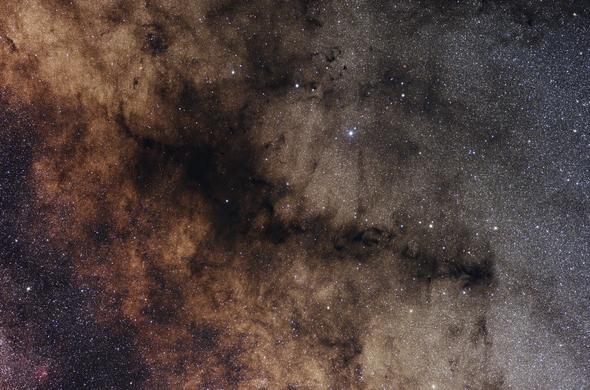
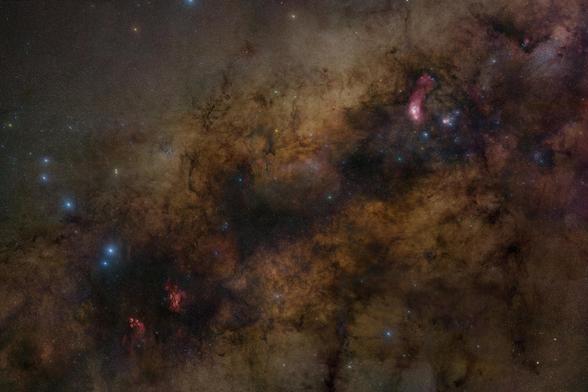
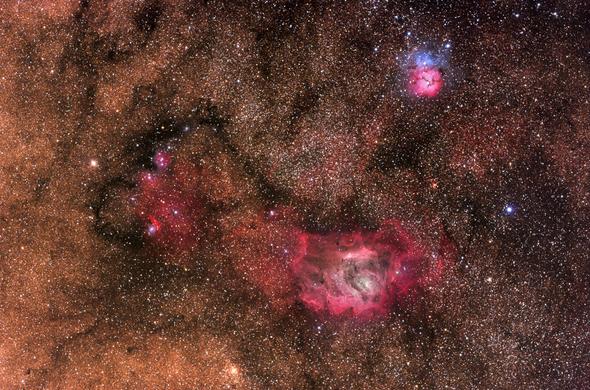
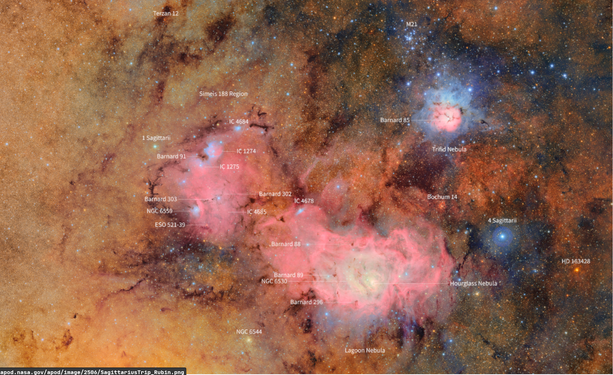
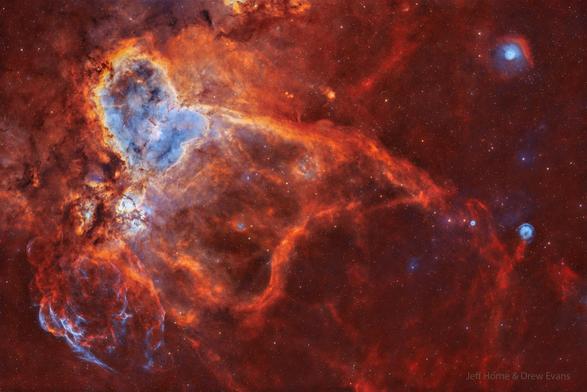
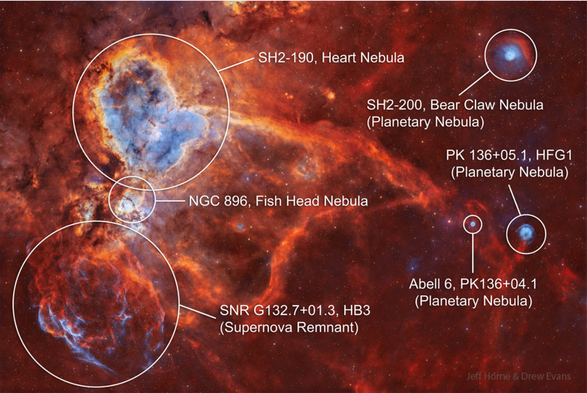
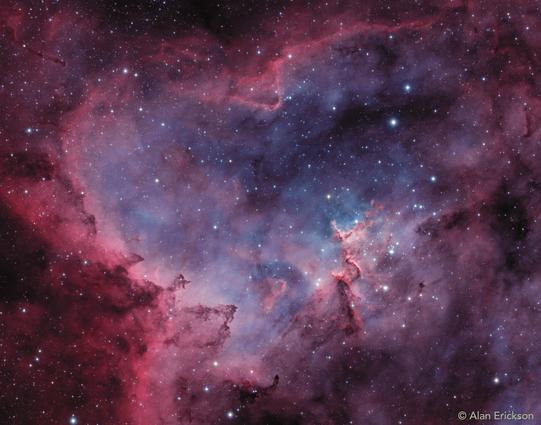
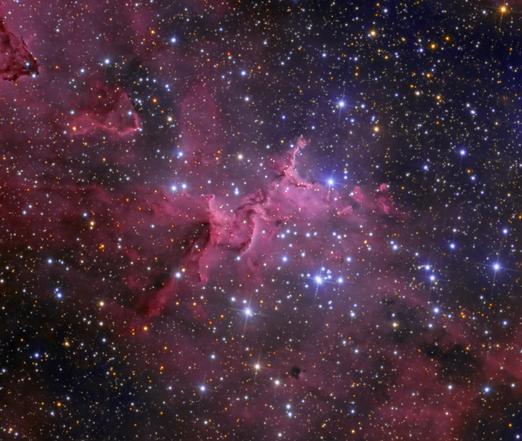
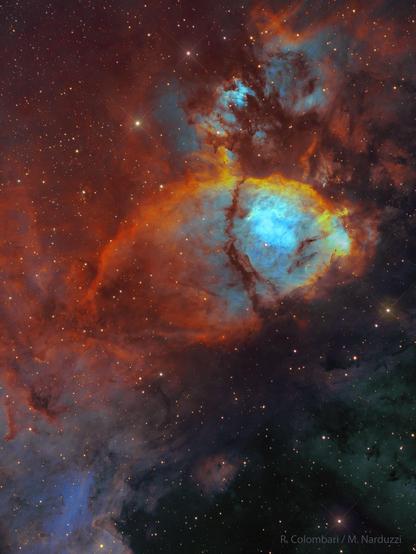
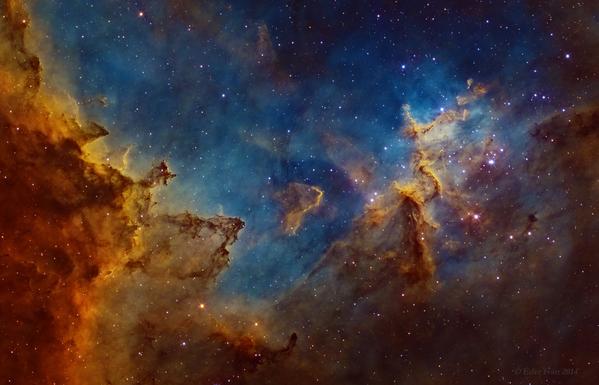
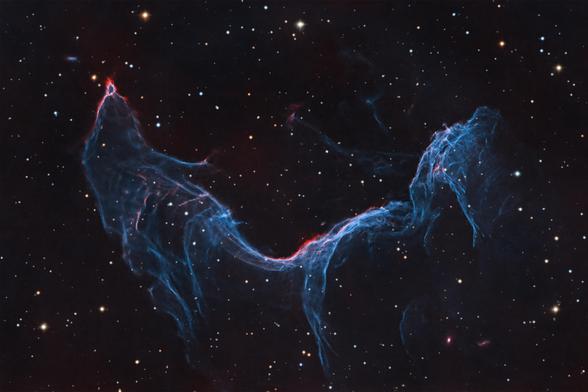
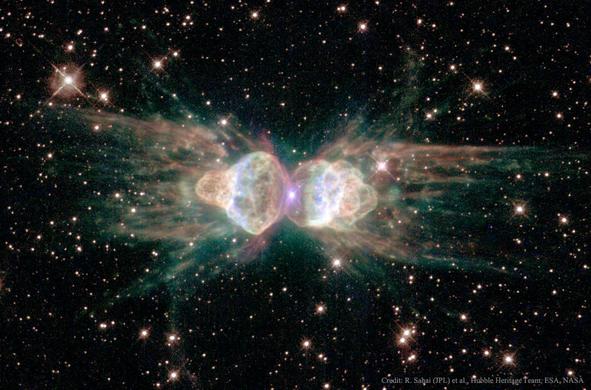
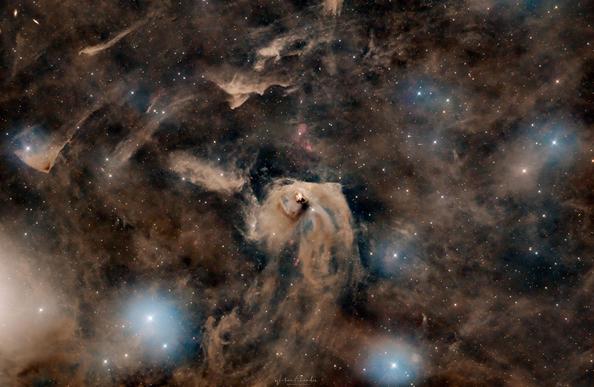
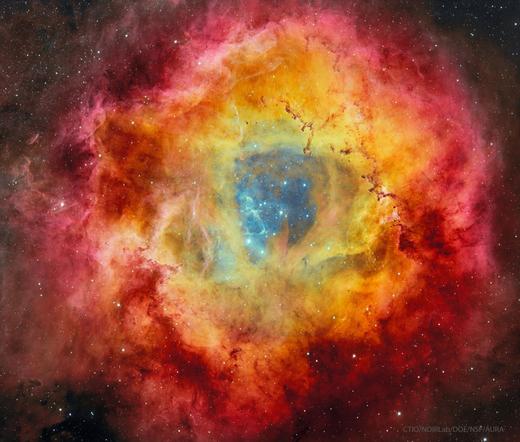
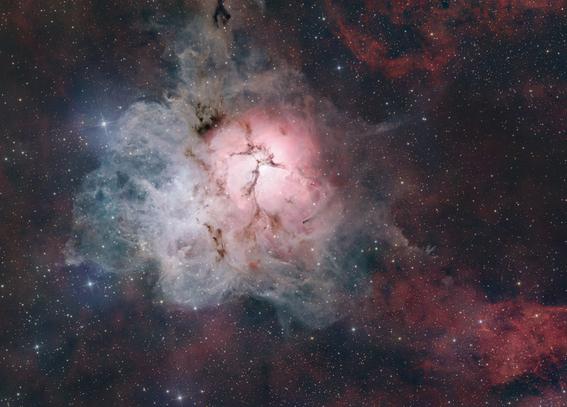
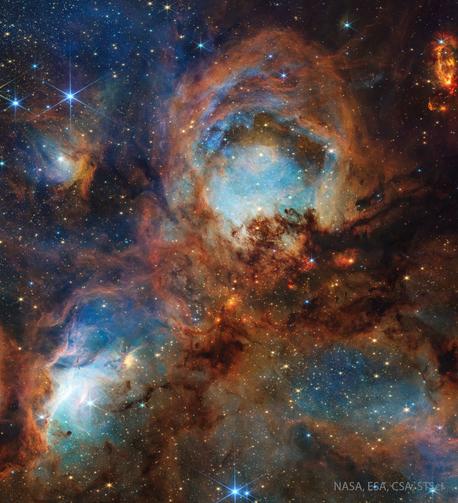
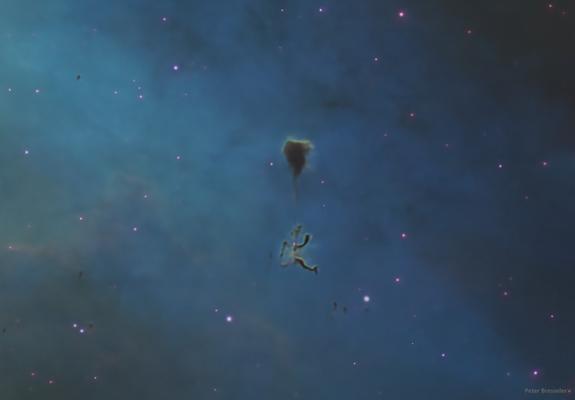
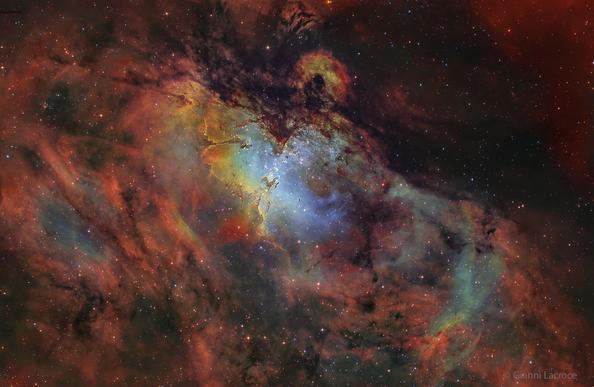
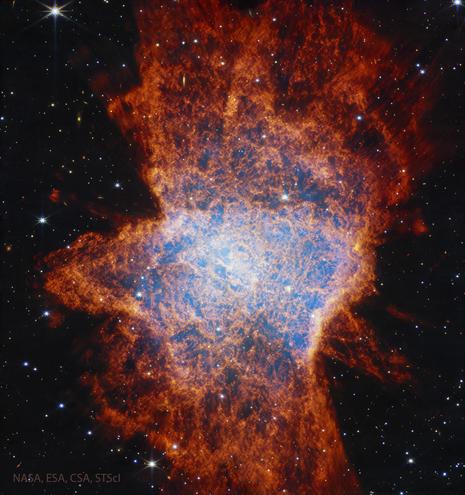
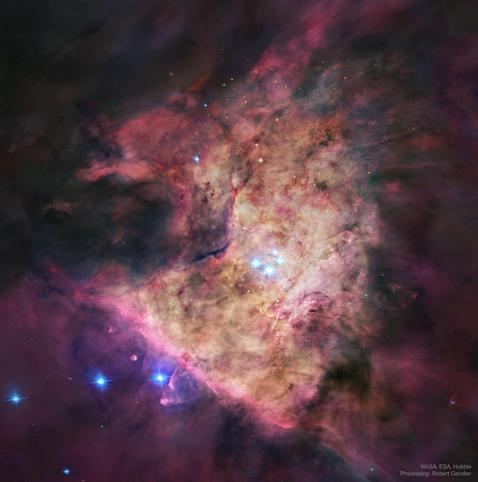
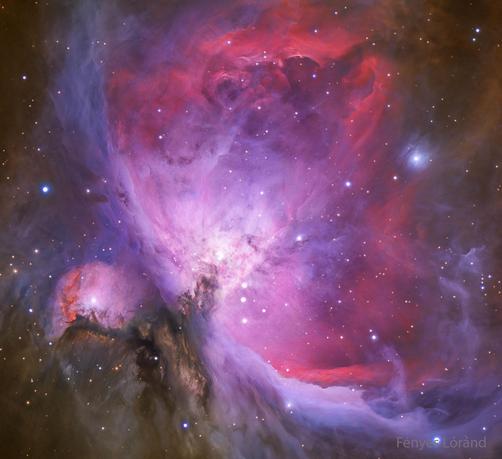
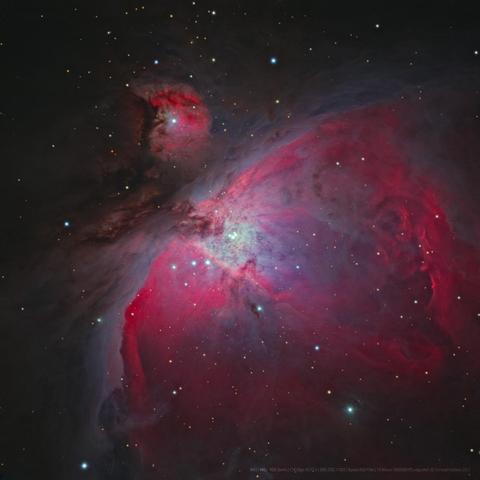
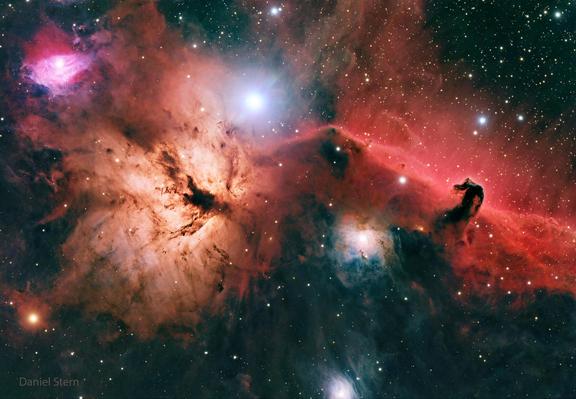
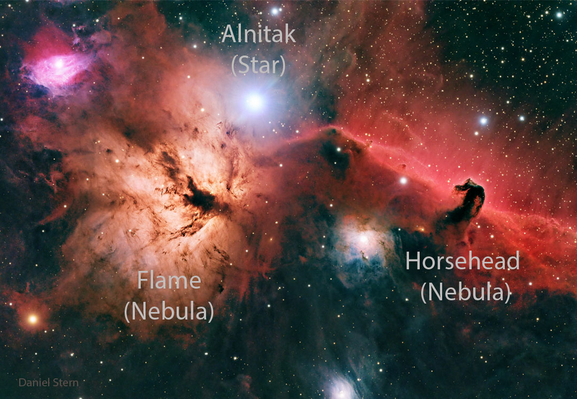
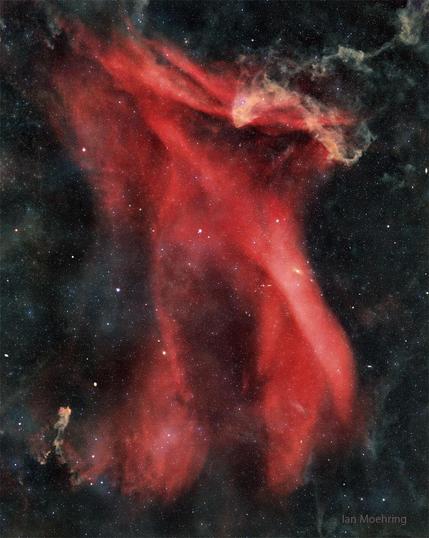
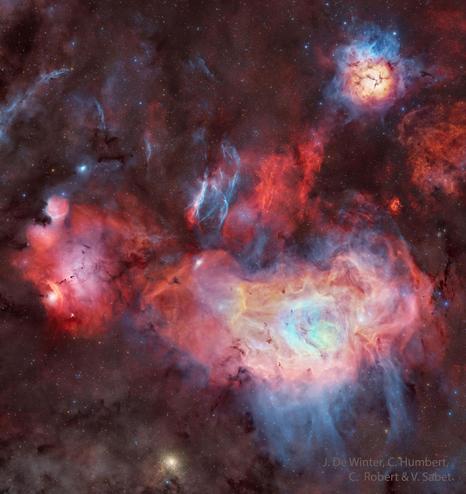
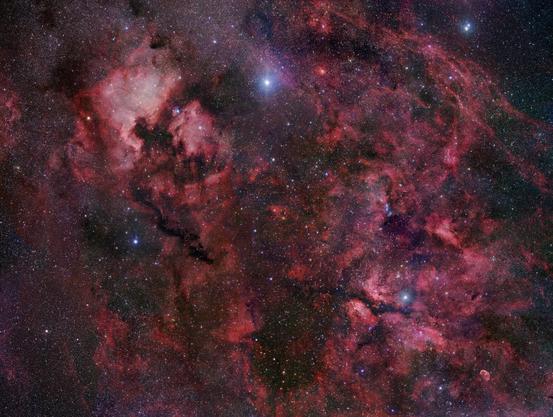
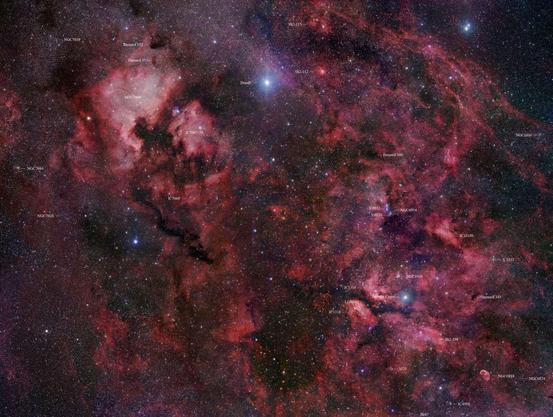
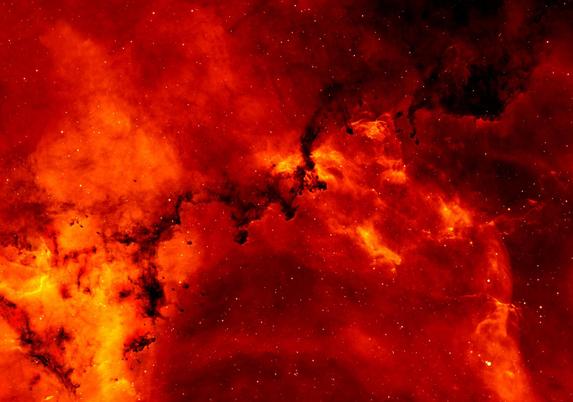
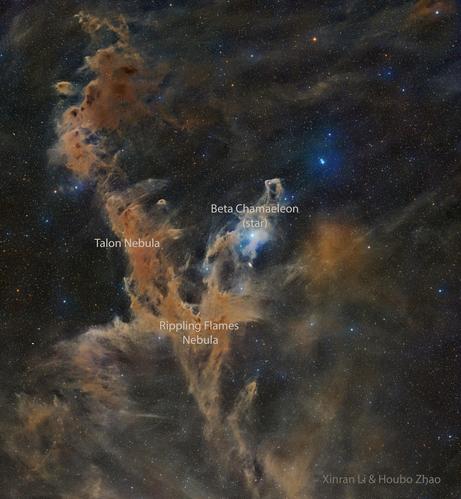
NASA’s Nancy Grace Roman Space Telescope will help scientists better understand our Milky Way galaxy’s less sparkly components — gas and dust strewn between stars, known as the interstellar medium.
One of Roman’s major observing programs, called the Galactic Plane Survey, will peer through our galaxy to its most distant edge, mapping roughly 20 billion stars—about four times more than have currently been mapped. Scientists will use data from these stars to study and map the dust their light travels through, contributing to the most complete picture yet of the Milky Way’s structure, star formation, and the origins of our solar system. [...]
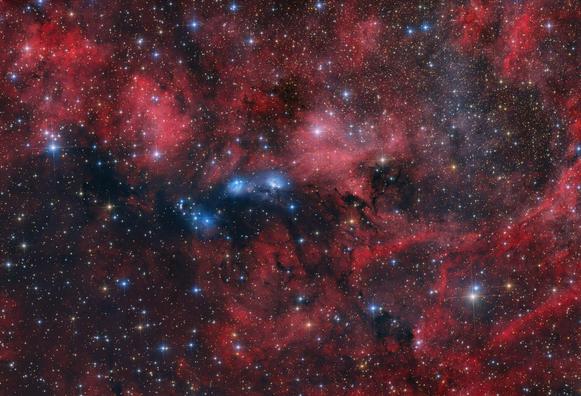
Scientists know how our galaxy likely looks by combining observations of the Milky Way and other spiral galaxies. But dust clouds make it hard to work out the details on the opposite side of our galaxy. Imagine trying to map a neighborhood while looking through the windows of a house surrounded by a dense fog.
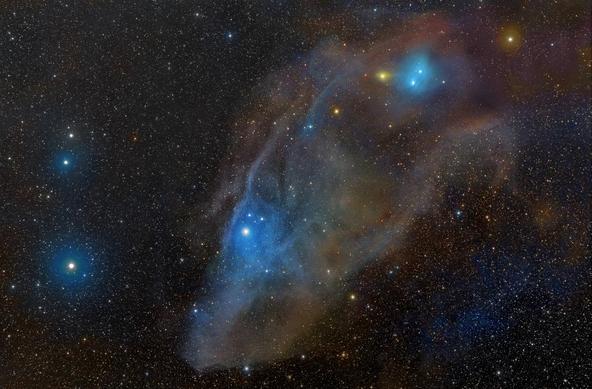
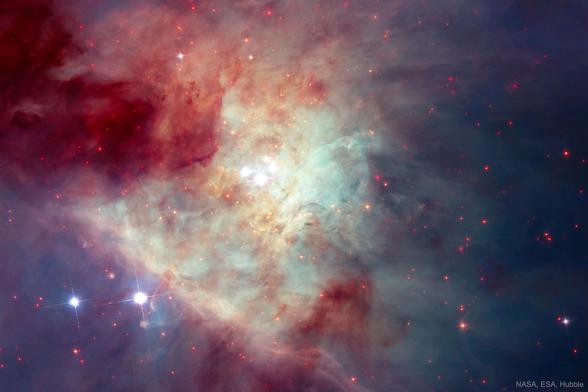
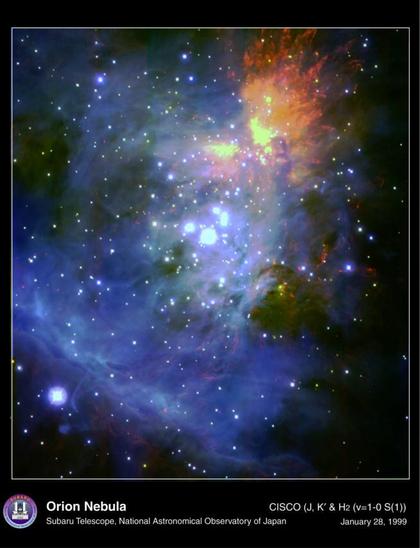
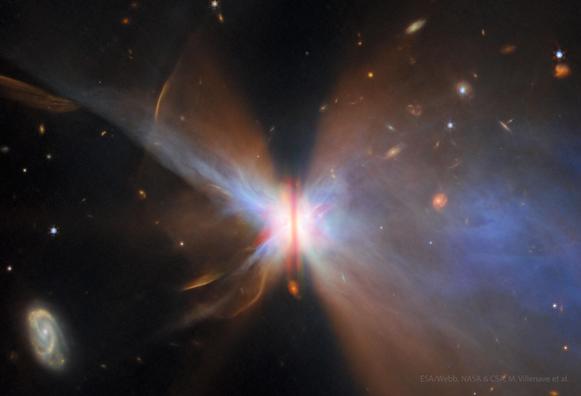
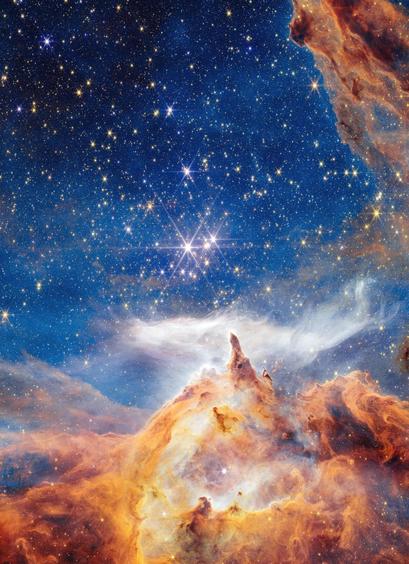
Roman will see through the “fog” of dust using a specialized camera and filters that observe infrared light — light with longer wavelengths than our eyes can detect. Infrared light is more likely to pass through dust clouds without scattering.
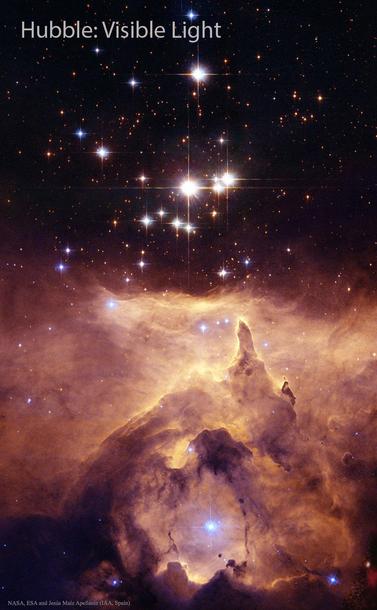
Light with shorter wavelengths, including blue light produced by stars, more easily scatters. That means stars shining through dust appear dimmer and redder than they actually are.
By comparing the observations with information on the source star’s characteristics, astronomers can disentangle the star’s distance from how much its colors have been reddened. Studying those effects reveals clues about the dust’s properties. [...]
* Credit: NASA/Laine Havens
* Music credit: Building Heroes by Enrico Cacace [BMI], Universal Production Music
https://www.nasa.gov/missions/roman-space-telescope/how-nasas-roman-mission-will-unveil-our-home-galaxy-using-cosmic-dust/
#space #nebula #cosmic_dust #astrophotography #photography #science #astronomy #nature #NASA #ESA #education
 grobi
grobi