 Sarah Taber
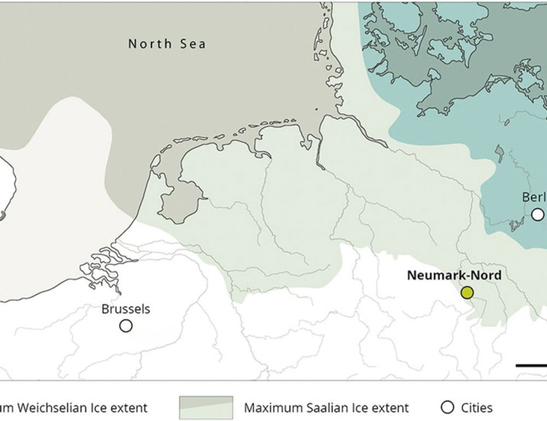
So they found a 125,000 yr old Neanderthal fat rendering plant & I have thoughts.
Knowing that they loved saturated fat SO MUCH that they industrialized to get as much of it as humanly possible?
Makes me feel seen, heard, supported, etc
So they found a 125,000 yr old Neanderthal fat rendering plant & I have thoughts.
Knowing that they loved saturated fat SO MUCH that they industrialized to get as much of it as humanly possible?
Makes me feel seen, heard, supported, etc
Jokes aside, this place tells us:
-Large-scale food processing is ~100K+ yrs older than farming.
-So is shelf-stable, high-calorie convenience food.
-So is "thinking about labor & logistics."
-Romanticizing "cavemen" as tough & austere is really funny.
I love this because when we think of "how ancient people got their food," we like to think about the big game hunting part.
But getting a carcass is just step 1!
We don't think as much about what comes next! But we should!
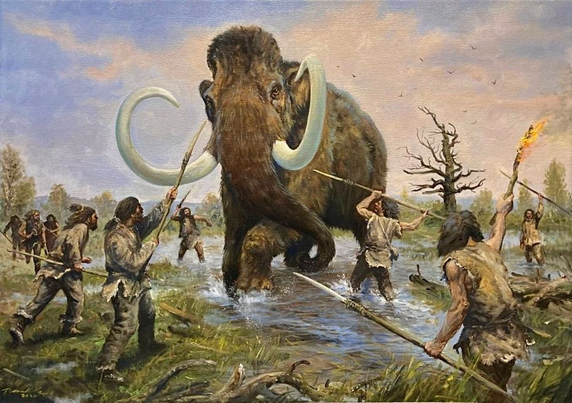
If you're hunting large animals to stay alive, instead of just for recreation,
"turning them into shelf-stable food you can keep & eat for more than 3 days afterward" is the name of the game.
So Neanderthals brought bones from their kills to this spot by a lake, pounded them to bits, & melted out the fat.
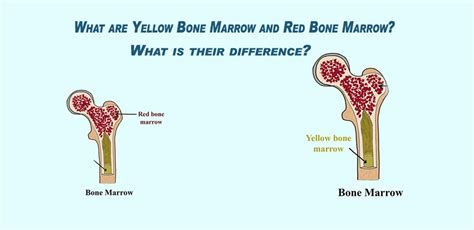
Not just any bones! They brought mostly jaws, skulls, ribs, & the *ends* of leg bones w red marrow. These bones have lots of fat inside- but you have to break them apart to get it.
Smashing bones is lots of work! So why do it?
I'm not an archaeologist, but I do lots of food handling logistics.
So my money's on 3 things:
-it's free real estate (more food from game already killed)
-people who aren't able-bodied adults can do it
-RENDERED FAT IS SHELF-STABLE & TASTES AWESOME
We have this idea that tasty, calorie-dense "convenience food" is modern.
Nope!
It's not unheard of for hunter-gatherers to spend WAY more time processing food into shelf-stable, easy to eat, calorie-dense "convenience" foods than they do on the hunting & gathering part.
Fish & meat? Gotta smoke 'em.
Acorns? Pound them into powder, put them in a bag, & leach in a river for weeks or months so they're edible.
Maple sap? Boil it down into shelf-stable sugar cakes.
Rendering fat from bones is 100% in line with this.
Think about it: for hunter-gatherers, food availability was spotty.
And they were often on the move from place to place.
So processing food to make it store-able for a long time, and distilling it down so every gram was very rich in calories, is one of our oldest pursuits.
Maybe it's not weird that Neanderthals were breaking up bones to cook out the fat.
It's weird that we think it's weird. You know?
Now let's talk scale!
They found the remains of 172+ animals at this site. Unless I'm reading it wrong, it looks like they were all brought there over ~one year.
They also mapped out where the bone & stone shards are. So you can see exactly where the smashing & cooking workspaces were. 🥹

The bones here are skewed towards the fatty ones, so it doesn't look like they brought the whole animal here to butcher.
This spot was high volume & 100% just for rendering.
(They might have rendered fat from skin too. That wouldn't leave much archeological evidence. I like to imagine Neanderthals would have liked cracklins.)
Anyway, to do rendering you break bones down into bits. Slice up skin & other fatty gristly tissues. Then heat them in water.
The fat melts out & floats to the top. Then when it cools down & gets solid, you can scoop it out & store it.
The solid fat (think lard or tallow) can be stored long-term.
Neanderthals didn't do pottery (as far as we know so far). But you can heat water in birch bark baskets, or bags made from skin or organs like stomachs & bladders.
You don't have to get it boiling hot to melt the fat out. It just has to be nice & warm.
Rendering fat is a lot of work. Breaking down bones- but also tending fires, shooing critters away, hauling water from the lake, stowing finished fat batches, & making containers to store it.
But it's work that almost everyone can do at least one step of.
We've found a lot of Neanderthals who got serious injuries, healed because their people took care of them, & lived long disabled lives.
Check out Shanidar 1: a Neanderthal who had 1.5 arms, fractured vertebrae, a skull fracture that left him deaf & blind on one side, & leg issues with a painful limp.
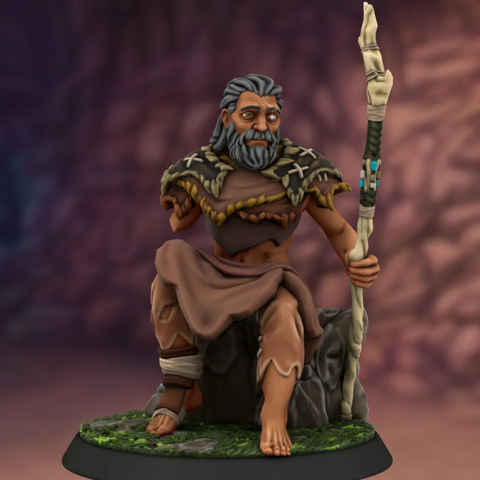
One of the things people find remarkable about that is "Wow they must have loved people so much to take care of them even if they couldn't hunt."
Um oof there's a lot to unpack there
Morals aside, "taking care of people who got hurt" is basic How To Team 101.
How is somebody supposed to wanna go hunting if they know that as soon as they break an arm doing it, the whole crew's just gonna shrug & go "sorry you're useless now byeeeee"
literally the Neanderthals knew better than that
Someone who was pretty beat up like Shanidar I could probably still tend fires, chuck rocks to shoo scavengers, etc.
Also, from how Neanderthals took care of extremely hurt relatives who might not ever heal, it probably wasn't all about getting work out of them later. Just humanity etc.
To take it back to food logistics though, I think we just get really preoccupied w the idea that for "cavemen," getting food = hunting & gathering. We forget there's a lot of work after that.
Neanderthals knew better. They put a LOT of thought & effort into getting the most out of their kills.
I kinda disagree with one of the paper's big conclusions. "These Neanderthals mostly ate meat. So they needed extra fat, so they didn't get protein poisoning from eating nothing but meat."
Basically, these Neanderthals were grinding & melting fat out of bones out of pure need/desperation.
That doesn't sound right?
The paper describes the campsite as being surrounded by hazelnut forest. Hazelnuts are 50% fat. Melting down bones was NOT "the only way to get enough fat to live."
The campfires had hazelnut (oily) & acorn (carbs) shells in them. Lots of high-carb cattails & wild grains too.
Heck they were actively & successfully managing the landscape for food. Including carbs & fats to balance out game.
https://press.uni-mainz.de/neanderthals-changed-ecosystems-125000-years-ago/
There were also multiple stashes of mammoth ivory around the campsite.
Lots of food. Solid balanced diet once you count all the plants they seemed to have been actively managing. Stashes of ivory for art/tools/trade.
kinda sounds more like Fat City than desperation to me idk idk
So "pounding up bones to get fat" looks less like a survival thing. For the folks living at this particular site & time, it looks more like a "We have time to build up a nice pantry" thing to me.
Again, not an archaeologist. I just think it's REALLY WEIRD that the paper just glosses over "oh yeah they had hazelnuts & acorns & cattails but whatever" like they're not food.
@sarahtaber
He went by the name "Lucky," right?
Just kidding. It's actually a very informative post.
From the paper:
"we can calculate that unit 8 and its associated archaeology accumulated within a maximum period of between 288 and 455 years"
The authors also write that they could only identify ~7% of the bones they found, because the bones are so smashed up.
So there were bones from a lot of animals being brought in and rendered down over centuries.
@michael_w_busch Nope, they addressed this in the paper.
The whole area (multiple lakes & campsites) was inhabited for 288-455 years.
But the fat rendering site looks to have been used very briefly. Not much evidence of gnawing by scavengers, or weathering on the bone shards. They were put there pretty quickly, & buried by gentle lake flooding pretty quickly afterwards.
They may well have kept rendering every year, but it didn't get preserved. This one site in the paper was used very briefly.
Oops. I should have read further down.
But Figure 6 and the section on seasonality say animals were killed throughout the year. So now I am confused as to how short "a very short period" actually was?
... And the authors wrote "We lack the data to provide a precise estimate of the actual duration of the event or events that took place there".
Okay then.
@sarahtaber so, 172ish animals, over a year? that's about 14-15animals per month.
Is there any evidence to the volume processed, at any single point in time? As in they were hunting herds instead of single animals, one at time? The cooking skins would leave very little evidence, but the fires would leave a volume of ashes and other debris, maybe?
Do they think it's a collaborative spot, for more than one tribe/clan...?
This is exciting. And the crakling, too.
Also remember that eating solely meat leads to to protein toxicity. Eating fats dodges the bullet. Important particularly in the winter time when you can't just protein with plants.
@sarahtaber Small side note: nice pics of Man the Hunter, but as far as I know current thinking is humans scavenged much more than they hunted. Interesting in that connection: to this day, we don't generally use fresh raw quadruped meat. It's aged for a number of days before it's at its best according to our tastes.
Also, if I remember that article about the fat rendering 'factory', it was women who did that work. All I can think is they were obviously as strong as Olympic wrestlers.
I love the take on this as early shelf-stable high calorie convenience food 😆 . So true!
@sarahtaber everyone loves margarine...
::ducks::
@sarahtaber Turns out I've been practicing a paleo diet and didn't even know it! 😆
Signed: most of the industrialized world
Thank you for this very interesting and detailed thread!
"She is a practitioner of the oldest profession."
She processes animal bones and renders fat for a living?
 Andy Wootton
 kit 🌬️🌦️
 sabik
sabik 🍵 holly
 D2
D2 StevenSavage (he/him)
 Kevin Riggle
 Alexander The 1st
 lopta
lopta Stargeezer Smith
 Michael Busch
 Faraiwe
 Serge 🔻
 Juho Mäntysalo
 quixote
 notsoloud
 Howard Chu @ Symas
 Brad Rosenheim
 Primo
Primo Virginicus
 magnus (he/him)
 Vicomte Folmer af Helvede
 Phil Thane ✅
 Fred
Fred Mags at Large
 Helenisenough
 Michelle Hughes
 David Cohen
 t3gr4
t3gr4 swym
swym VHG 🇪🇺🇩🇪
 Dr David Mills