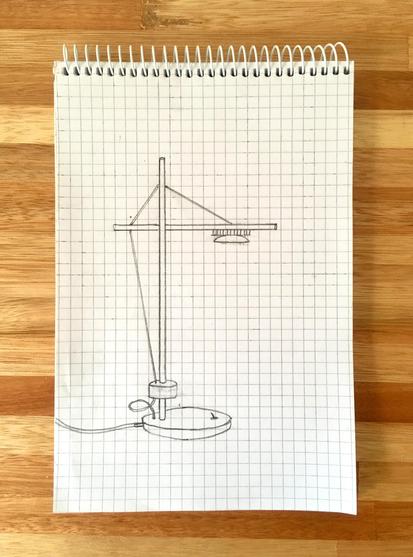
๐Ÿ’ก New project! An USB powered LED desk lamp made of wood, ceramic, and aluminum. It will be called "Portuaria", which in Spanish means "related to the port", because its shape reminds me of the cranes and sailboats at the port.

๐Ÿงต #PortuariaLamp #lamp #prototype #LED #USB #lampdesign #woodenlamp #woodworking #electronics
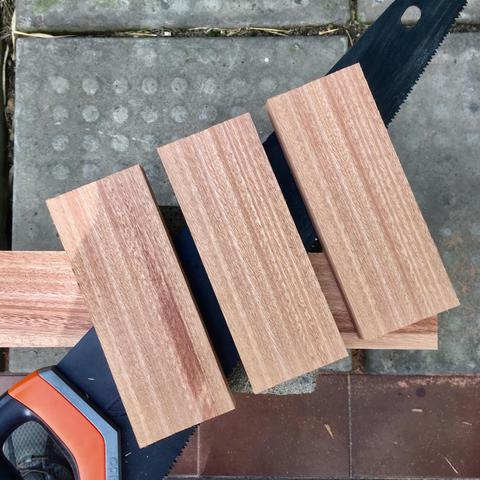
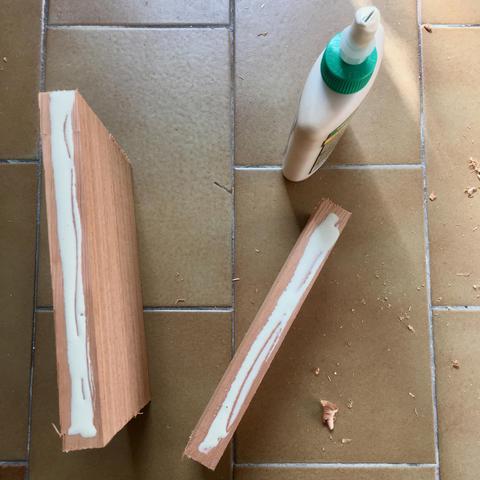
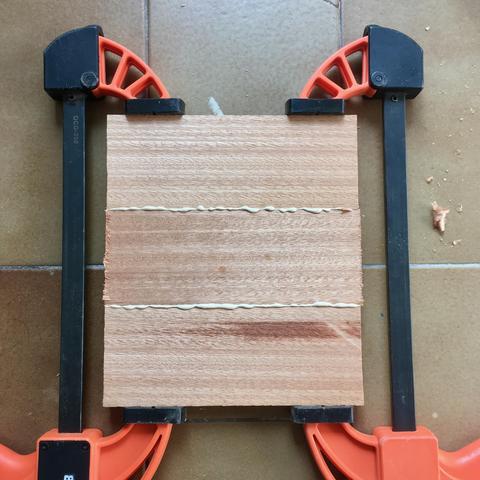
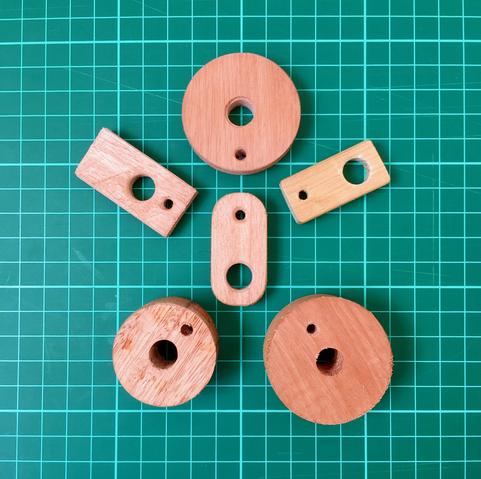
I wanted the base of the lamp to be a 16 x 2 cm disc, but I only had 7 x 2 cm boards around here, so I ended up glueing a few cuts.

๐Ÿงต #PortuariaLamp #lamp #prototype #woodenlamp

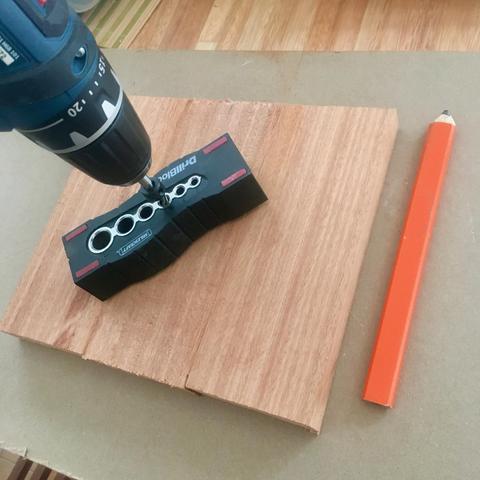
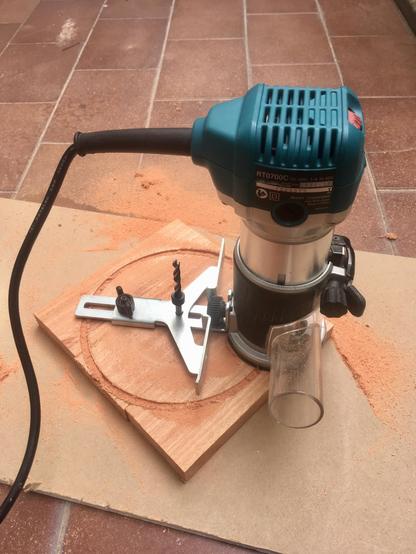
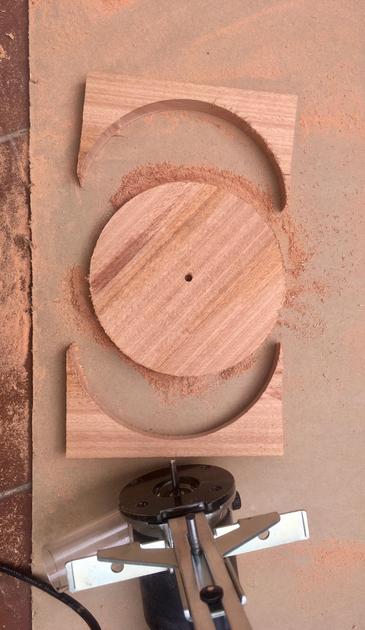
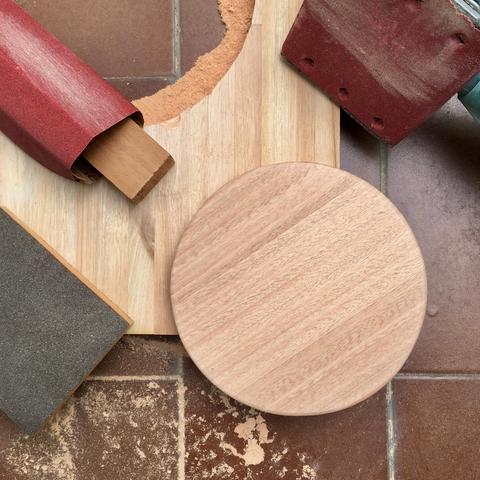
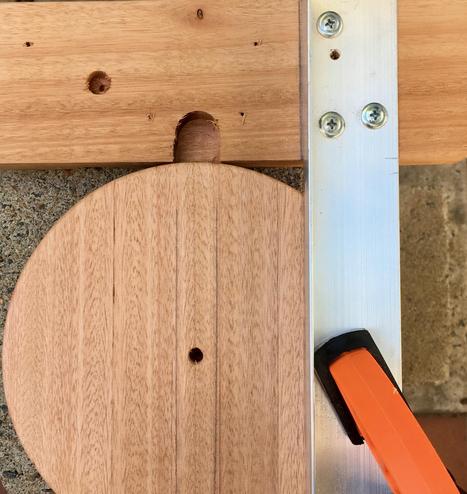
Then I cut a circle with the hand router using the guide as a compass, and sanded it with the orbital sander and sanding sponge.

๐Ÿงต #PortuariaLamp #lamp #prototype #woodenlamp

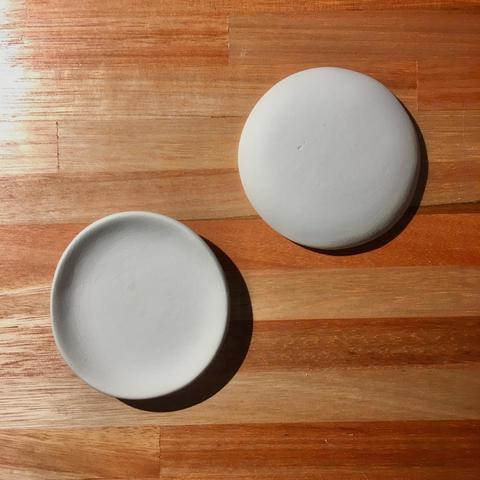
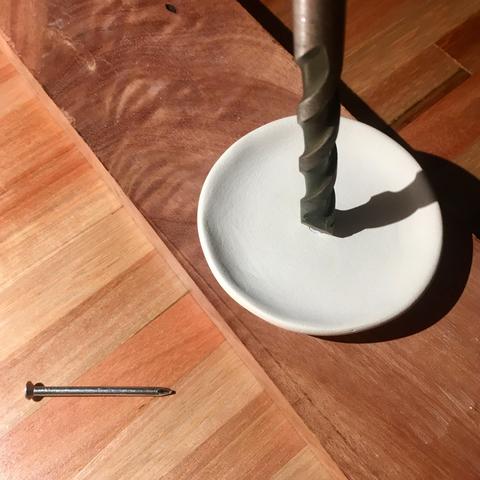
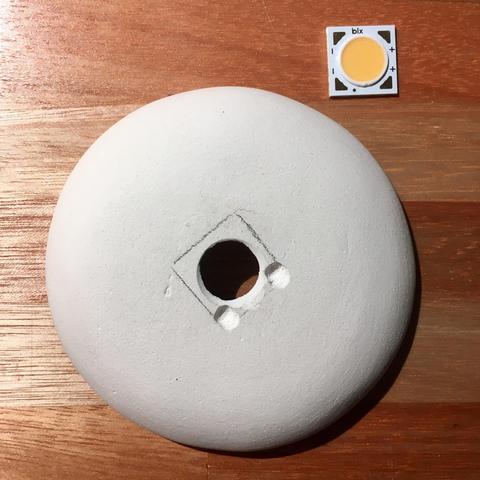
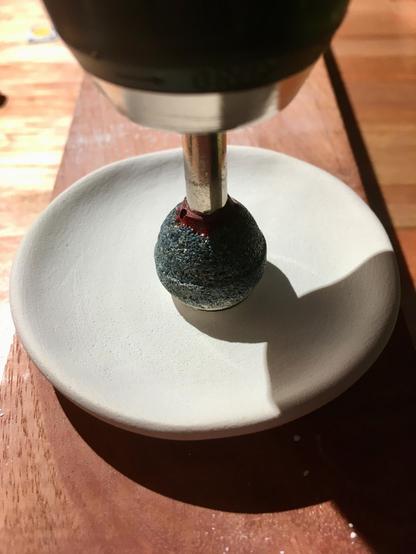
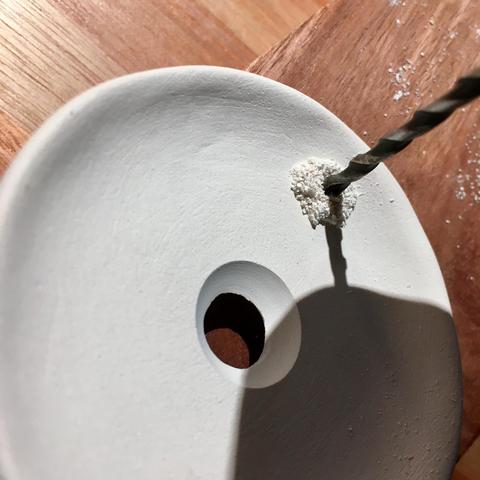
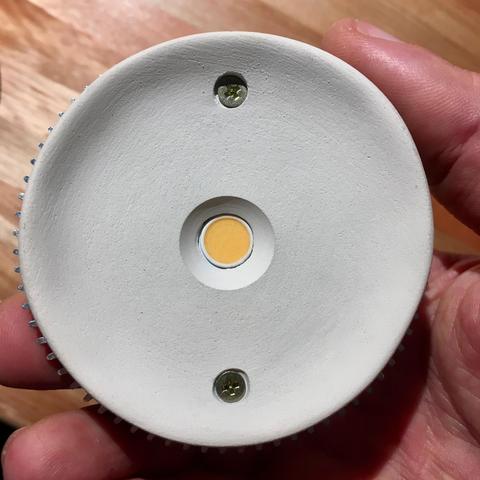
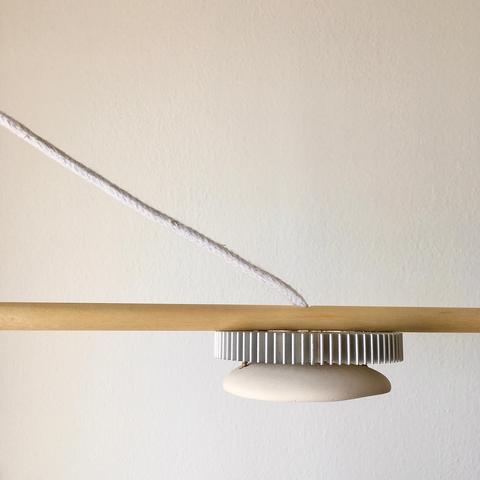
Recycling ceramics to build a lampshade. I found that these mini bowls I made to test ceramic glazes roughly fit what I need for the lampshade of the prototype, so I drilled one to accommodate the LED and two screws.

๐Ÿงต #PortuariaLamp #lamp #prototype #woodenlamp #LED

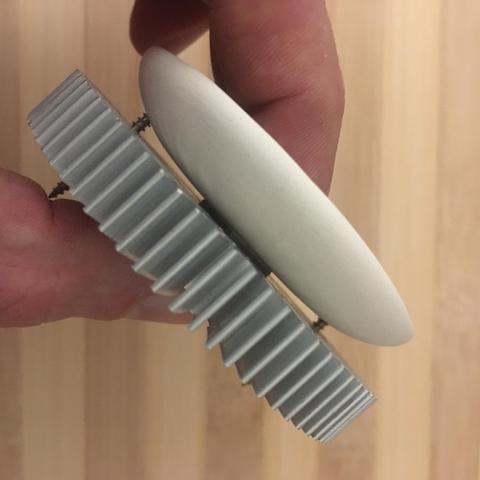
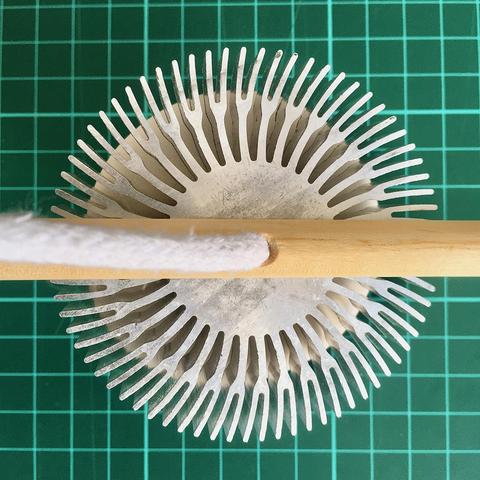
The screws pass between the heatsink fins and will attach both the lampshade and heatsink to the wooden rod.

๐Ÿงต #PortuariaLamp #lamp #prototype #woodenlamp #LED

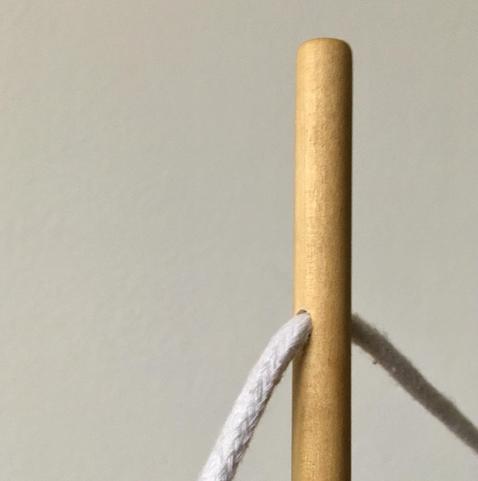
First attempt to mount the lamp head on the rod ๐Ÿค”. What seemed easy in the drawing turned out not to be so easy when transferring it to materials.

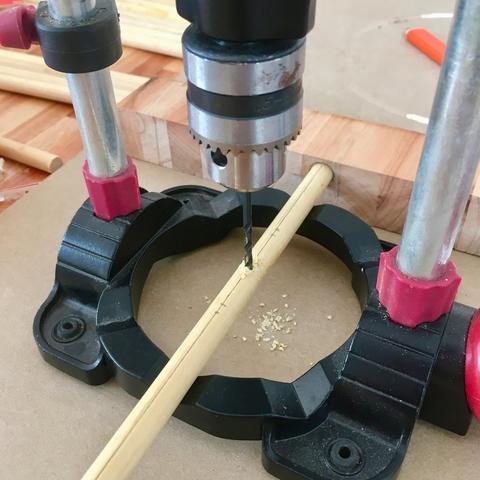
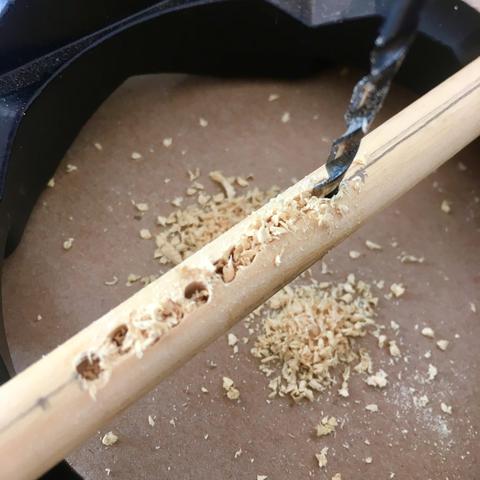
The difficult thing was making the 3 mm slot in the 10 mm rod, and getting it to align with tolerances of less than 1 mm.

Next time I'm going to try with a router and templates, we'll see how it goes with that.

๐Ÿงต #PortuariaLamp #lamp #prototype #woodenlamp #woodworking

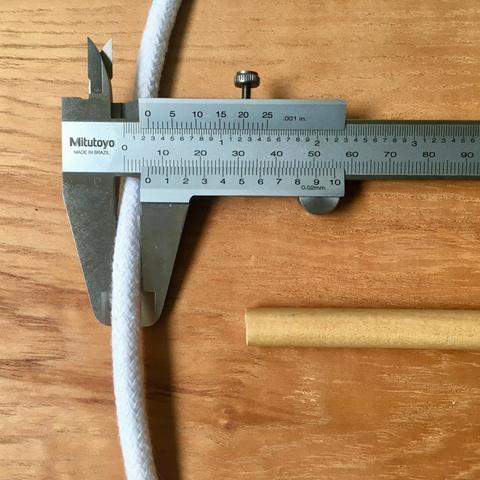
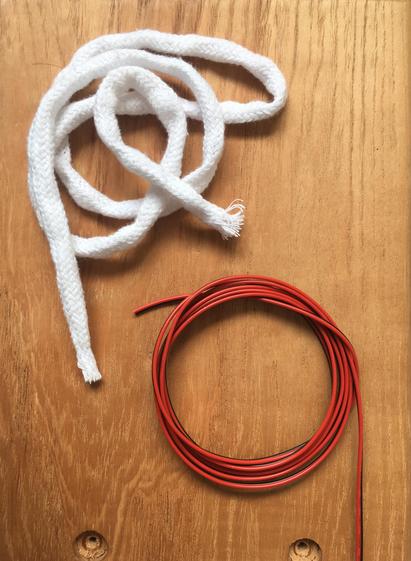
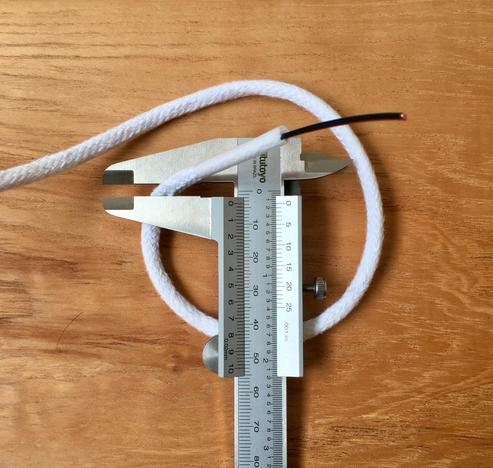
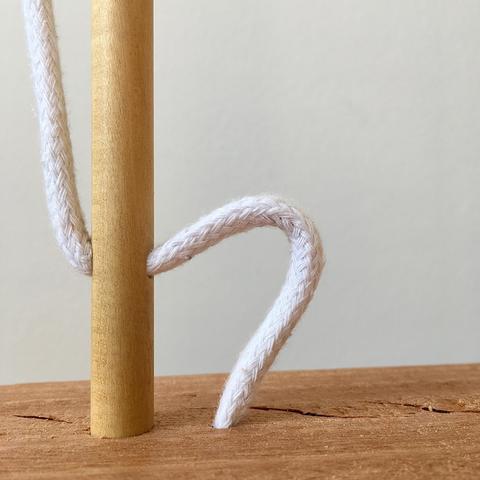
Stripping a cable to dress another ๐Ÿคฆโ€โ™‚๏ธ. The cable with a cotton textile sheath that I got is very thick compared to the diameter of the rods. The rods are 10 mm in diameter and the cable is 6.5 mm, so when drilling holes in the rods to pass the cable through there would only be 1.75 mm of wood left on each side.

So, I made a customized cable using the sheath of the original cable and an AWG 24 cable. The new one is 2.5 x 4 mm and fits perfectly in 4 mm holes ๐Ÿ‘.

๐Ÿงต #PortuariaLamp #lamp #prototype

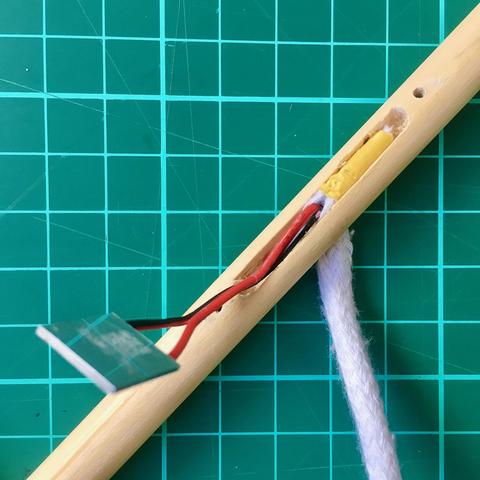
Assembling the head of the lamp. Despite the chamfered slot, it turned out pretty well. The yellow thing at the tip of the cotton sheath is a heat-shrink with glue, which is then inserted under pressure into the slot. It's the first thing that occurred to me to fix the sheath to the rod so that it can withstand the tension. Perhaps in the next iteration I will replace that with a screw, although the limited space is a challenge.

๐Ÿงต #PortuariaLamp #lamp #prototype #woodenlamp #woodworking

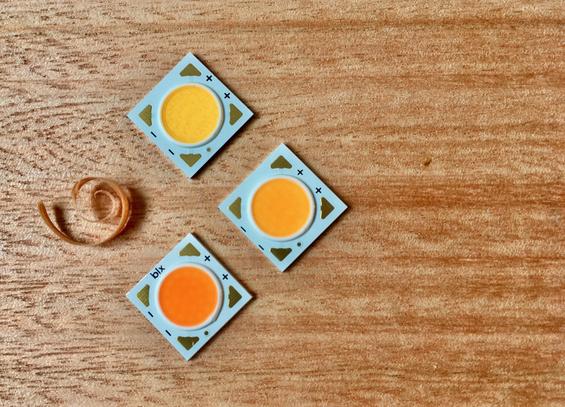
The LED I am using for the prototype lamps is one from the Bridgelux's Thrive series, which has a CRI of 98. The CRI is a color rendering index, which says how similar is the color rendering with the light from a LED compared to the rendering with natural light (which has a CRI of 100).

After using CRI 98 LEDs for a while, the CRI 90 ones look depressing, it's a one-way street ๐Ÿ˜.

๐Ÿงต #PortuariaLamp #lamp #prototype #LED #CRI #lighting

After a lot of experimenting with various models of the height-adjusting disc that holds the cable near the base, I decided that it would be better to make the height fixed instead of adjustable ๐Ÿคทโ€โ™‚๏ธ

The main problem is that it is very difficult to make the adjustment fluid enough to adjust the height without the lamp jumping, which does not look good as a user experience.

๐Ÿงต #PortuariaLamp #lamp #prototype #woodenlamp

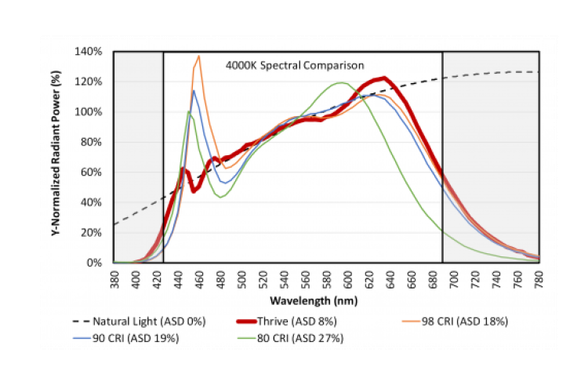
This is the light spectrum emitted by the Bridgelux Thrive LED series compared to other ones that have a lower CRI.

You can see that the one from Bridgelux does not have the blue peak at about 450 nm that is present in the other LEDs in the chart.

That is why I chose it for this lamp prototype. If you were seeing a greenish tint in your "high" CRI 90 LEDs, now you know why ๐Ÿ’ก๐Ÿ‘€.

๐Ÿงต #PortuariaLamp #lamp #prototype #LED #CRI #lighting #spectrum #electronics
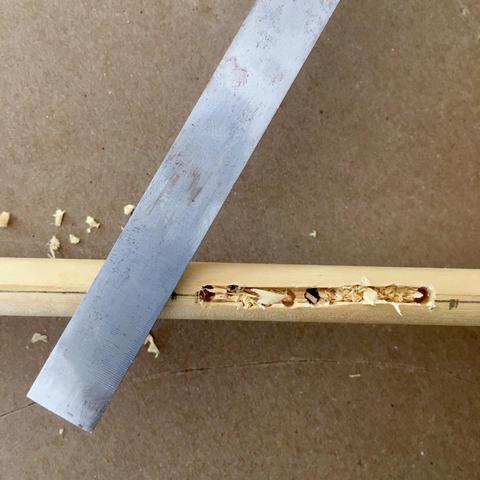
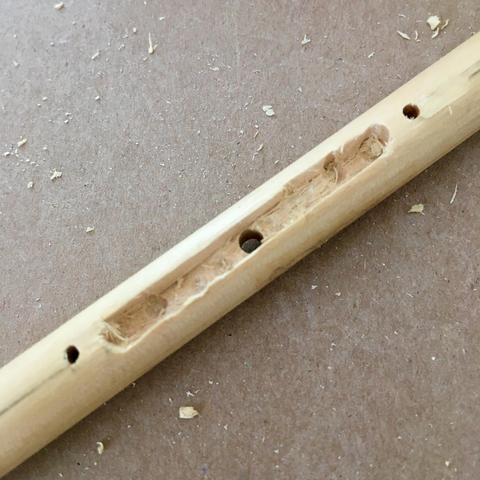
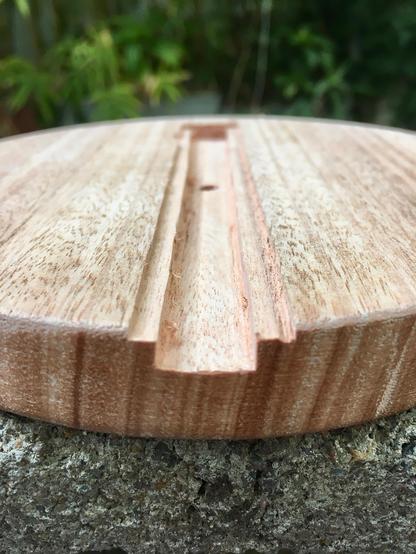
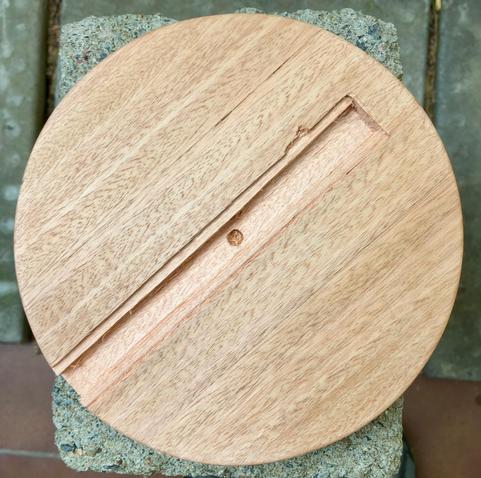
Carving the lamp base with a router to mount the USB voltage booster, resistors and switch.

The router is not quite tamed yet, doing this I learned that turning it off and on again in the middle of a slot is not a good idea ๐Ÿ˜ฌ. I finished it with a chisel, slow but more predictable ๐Ÿคทโ€โ™‚๏ธ.

๐Ÿงต #PortuariaLamp #lamp #prototype #woodenlamp #woodworking

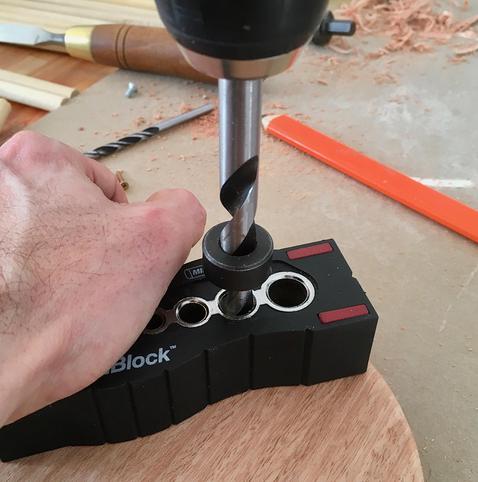
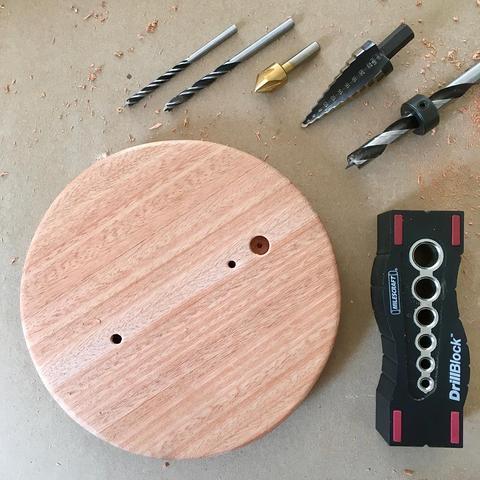
The holes are for the switch, the cable, and the vertical rod. The one for the rod ended a bit loose; drilling it with a 10 mm bit to fit a 10 mm rod was too optimistic. Next time, I'm going to use a 3/8" drill bit and sand the end of the rod until it fits just right.

๐Ÿงต #PortuariaLamp #lamp #prototype #woodenlamp

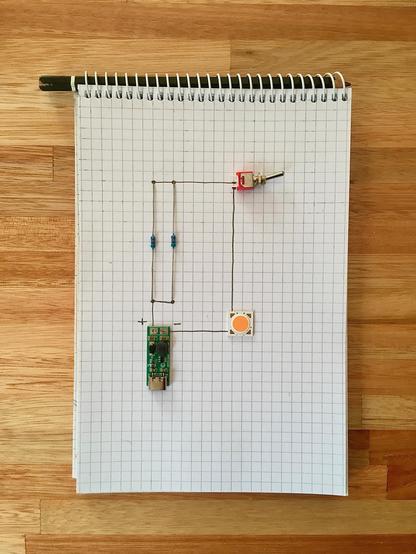
This is the circuit diagram for the lamp, which will be powered from a USB charger.

The LED is a Bridgelux BXRE-30S0801-D-7X with a CRI of 98 and 3000 K. It is a 6 watt LED, but I'm going to use it at 4.85 watt to extend its lifetime.

The power on the USB port is 5 volts, which is not enough to turn on this LED that needs 17.15 volts. That's why I use a voltage booster (the green board), which converts 5 volts to 18 volts.

๐Ÿงต #PortuariaLamp #lamp #prototype #LED #USB #electronics #DIY
The resistors (blue with stripes) are there to limit the current that passes through the LED, because otherwise we can burn it due to excess current. They are two 6-ohm resistors, which when connected in parallel are equivalent to a 3-ohm resistor. With this resistance value the current will be 0.28 amps.

The way to calculate this current is:

(supply_voltage - led_voltage) / resistance = current

(18 volts - 17.15 volts) / 3 ohms = 0.283 amps

๐Ÿงต #PortuariaLamp