Happy late #WorldElephantDay! 🐘

Did you know that archaeological finds offer fascinating insight into #Neanderthal #hunting organisation?

About 125,000 years ago large groups gathered in east-central Germany to butcher massive Straight-Tusked #Elephants (Palaeoloxodon antiquus):

https://www.science.org/content/article/neanderthals-lived-groups-big-enough-eat-giant-elephants
Neanderthals lived in groups big enough to eat giant elephants

Meat from the butchered beasts would have fed hundreds

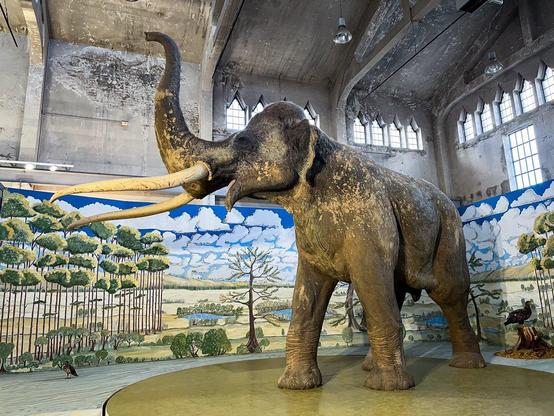
And boy, with shoulder height of up to 4.2 m and weighing about 11-15 t each, these #elephants have been quite some giant and quite commanding figures.

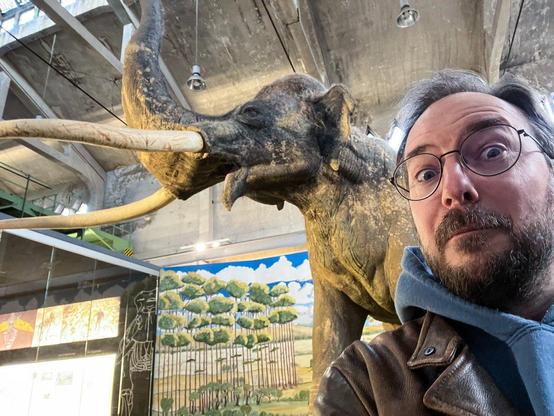
Here the reconstructed specimen at Pfännerhall #Geiseltal, based on the bones of individual E8 from the #NeumarkNord 1 site.

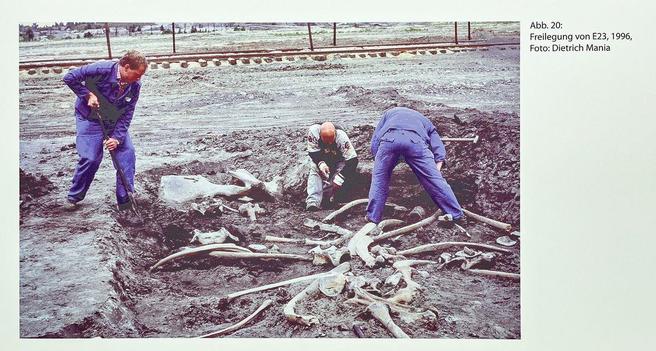
Here contrasted with a view into the actual earlier excavation situation of some of the 125,000 y/o #elephant bones (with #Neanderthal-caused butchering cut marks) at #NeumarkNord 1 (as seen in the Phännerhall exhibition).
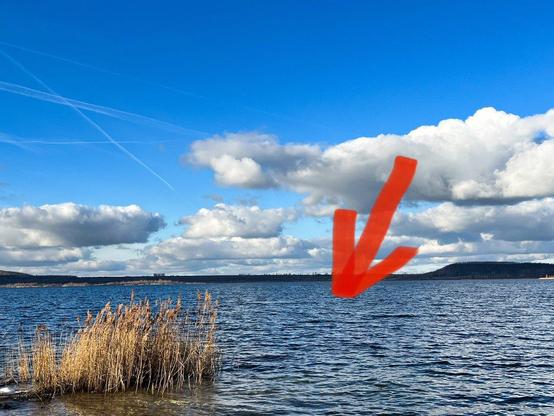
The original #NeumarkNord site should've been somewhere around here (arrow) - the whole former pit mine having become a rather idyllic lake and recreation area in the meantime.

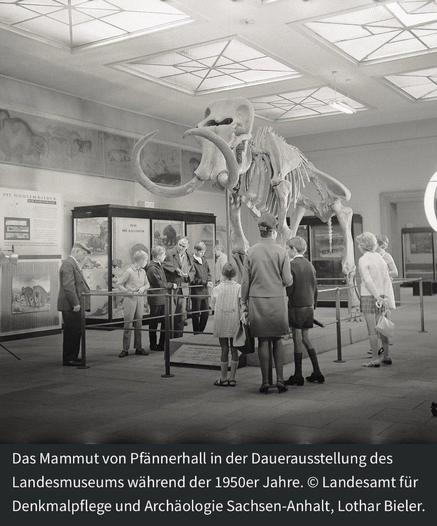
And if you thought "Wait, #Pfännerhall? Sounds somehow familiar!", then you're probably thinking of the #PfännerhallMammoth 🦣 which was also found in these same mines in the Geisel valley (and which today can be visited on display at @MuseumHalle):

https://www.landesmuseum-vorgeschichte.de/en/permanent-exhibition/mental-power/the-pfaennerhall-mammoth

The Pfännerhall Mammoth

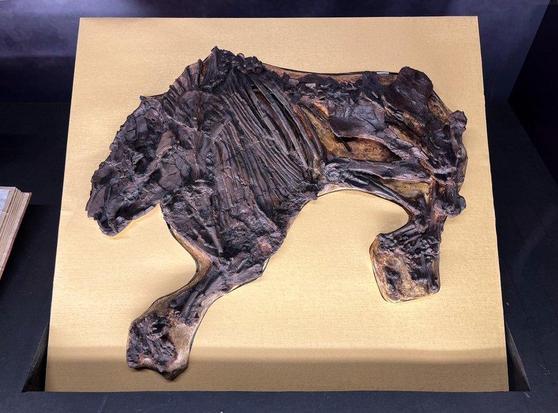
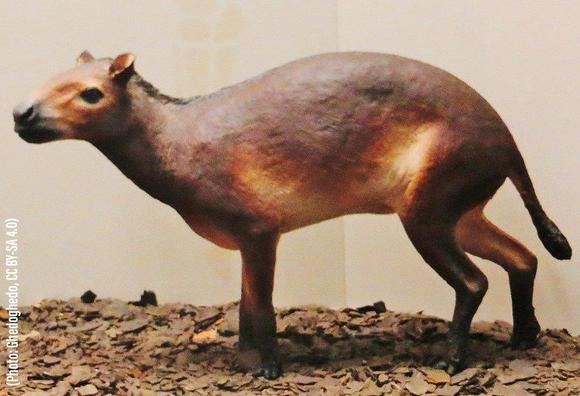
Or wait, did you mean #Geiseltal as in Geiseltal #Propalaeotherium? 🤔😉

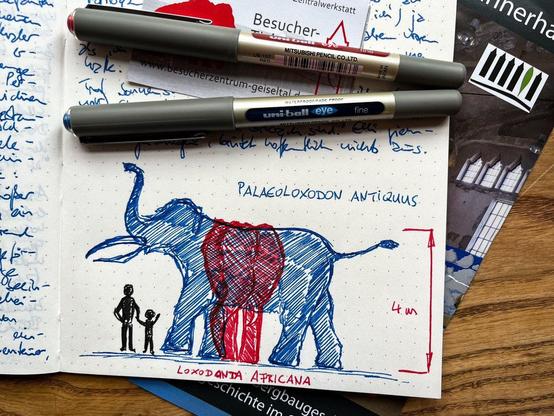
And finally, just to get an idea of the really enormous size of these extinct #Elephants - and the impressive coordinated #Neanderthal hunting effort to bring down such a giant - a glimpse into the archaeologists notebook.

Human figures and modern African Elephant for scale. 😲

@jens2go

Loving the genus and species names.