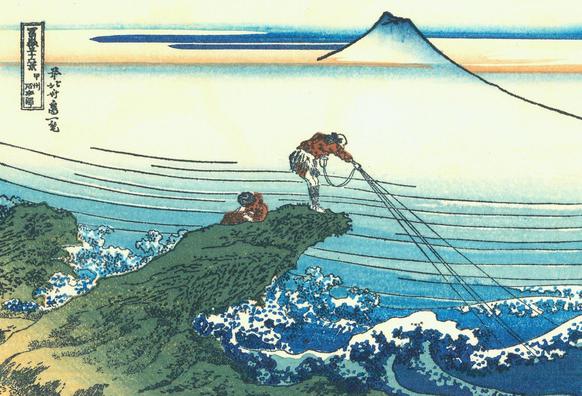
🌊💦WATERY WONDERS🥤🫧

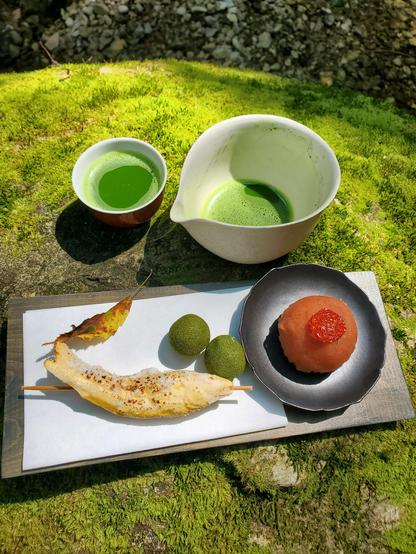
Rainy season has begun its long wind down, and as the swollen rivers calm and the sun becomes ever more fierce, it's time to take solace in the watery-themed delights that fill the tearoom.

a butterfly flits-
hot tea, hot water
and sake for sale
-Kobayashi Issa (小林一茶), 1816.
Trans. David Lanoue.
#Kyoto #京都 #Japan #haiku #summer #cicada #teaceremony

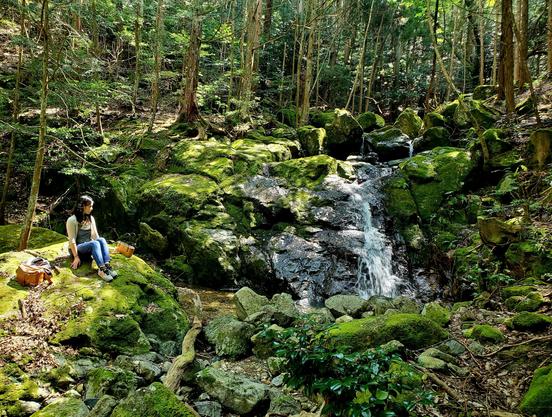
First cicada of the year!
I can't tell whether it's early, late, or right on time🤔

first cicada-
for a quick song sighted
on the post
初蝉のちよと鳴て見し柱哉
-Kobayashi Issa (小林一茶), 1816.
Trans. David G. Lanoue.

#Kyoto #京都 #Japan #cicada #セミ #haiku #summersounds

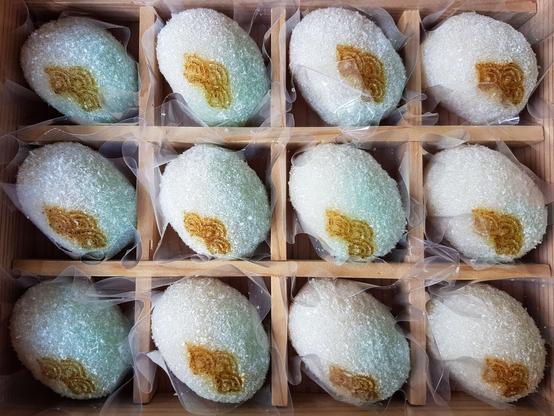
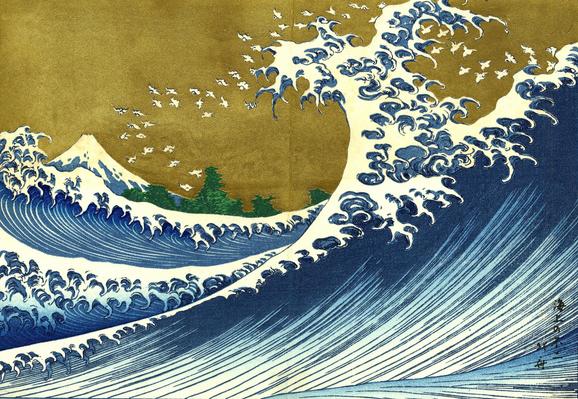
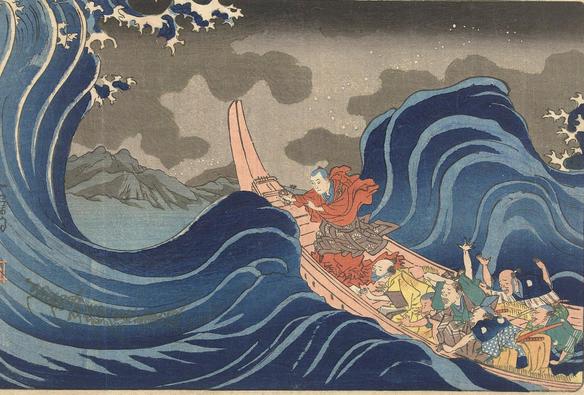
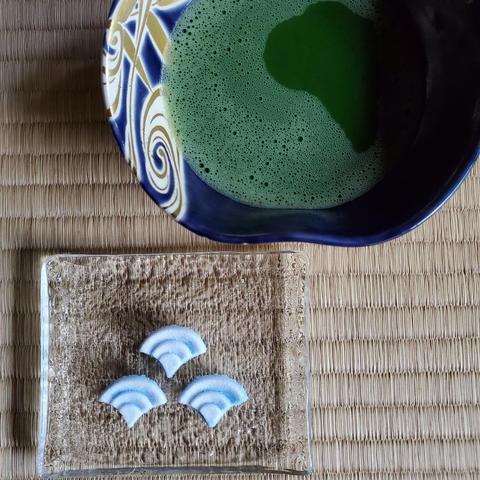
🌊🌊THE WAVES💦😅

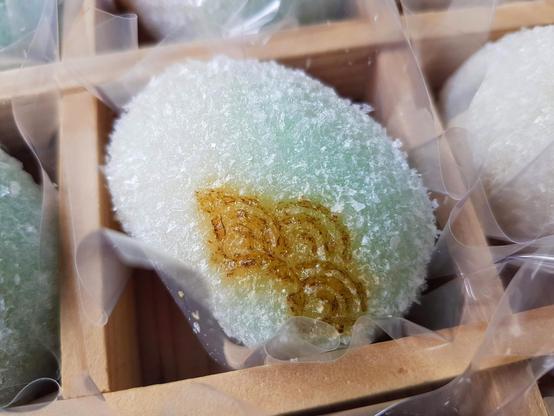
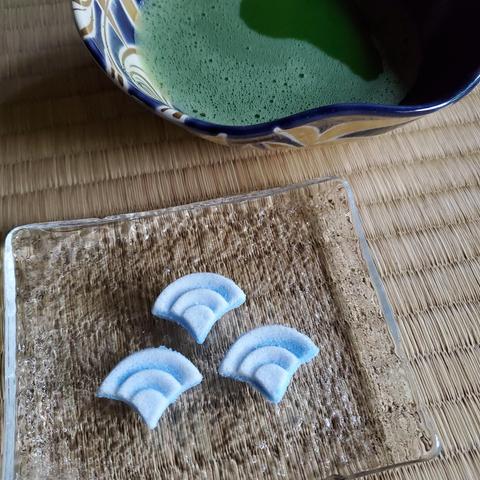
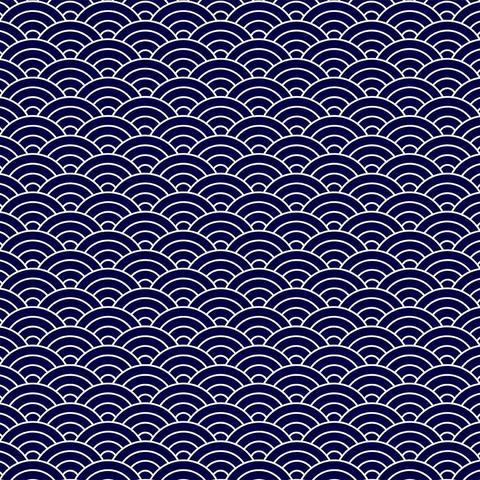
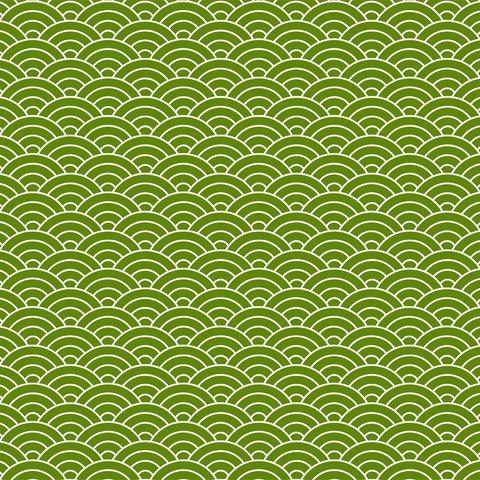
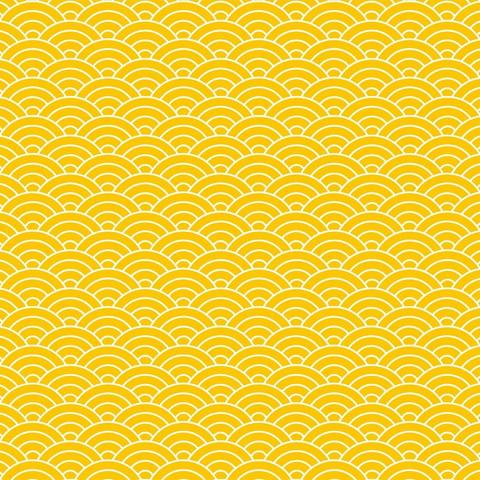
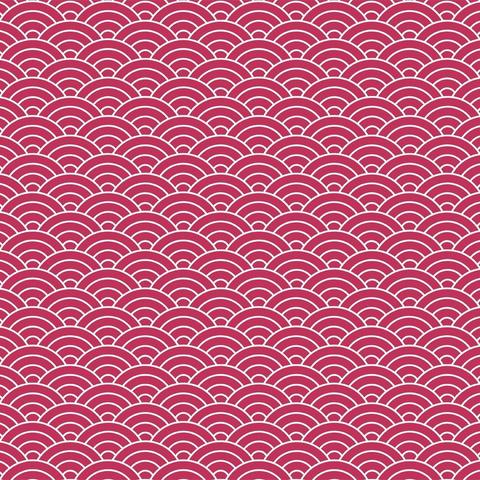
A particular pattern called 'seigaiha' (青海波 'blue waves') is embraced by sweet makers during the hottest months.

Kisa Lagoon-
riding on the waves
insects singing
きさがたや浪の上ゆく虫の声
-Kobayashi Issa (小林一茶), 1791.
Trans. David G. Lanoue.

#wagashi #和菓子 #Japan #Kyoto #京都

The earliest depictions of a repeating, geometric pattern of waves can be seen on ancient Chinese maps, where they were used to denote the sea.

Japan would later borrow this design, creating a motif that remains popular to this day.

#Japan #patterns #seigaiha #青海波

The Japanese name 'seigaiha' likely appeared when a costume with the pattern was used for a performance of gagaku (雅楽), traditional music and dance once performed at court.

It is unclear if seigaiha was the name of a gagaku dance piece, or the costume's creator.

Although the wave pattern had been around for many centuries, some believe the name 'seigaiha' came from the Edo period craftsman Seikai Kanshichi (青海勘七).
Seikai developed a method for painting the design in black lacquer with a brush.

@camelliakyoto Wasn't it one of Windows 3.11 wallpapers?