🐟🎣FISH FANCIES🍽️😋

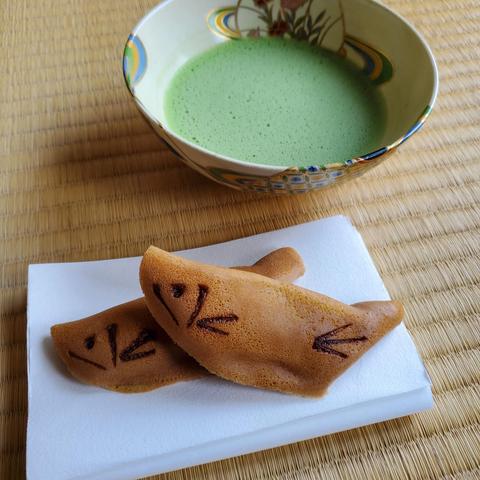
With all this rain forecast it seems fitting that today's snacks are fish themed.

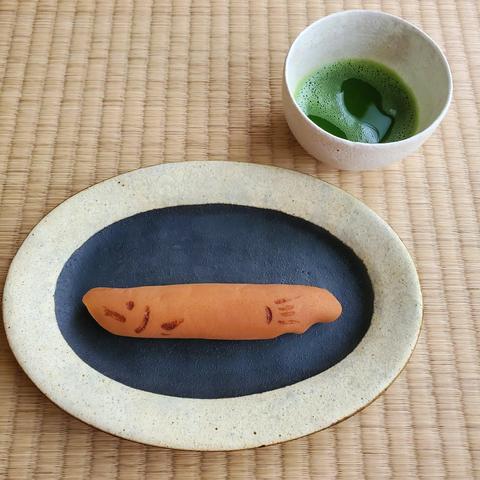
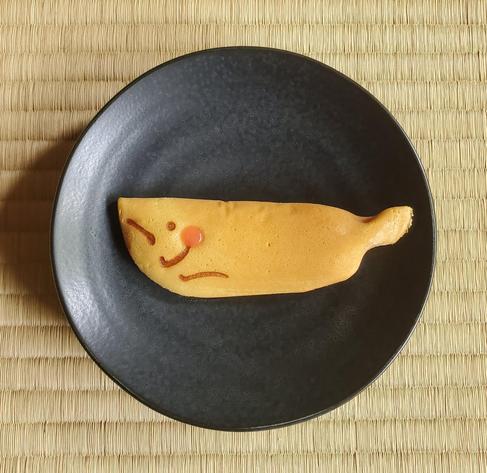
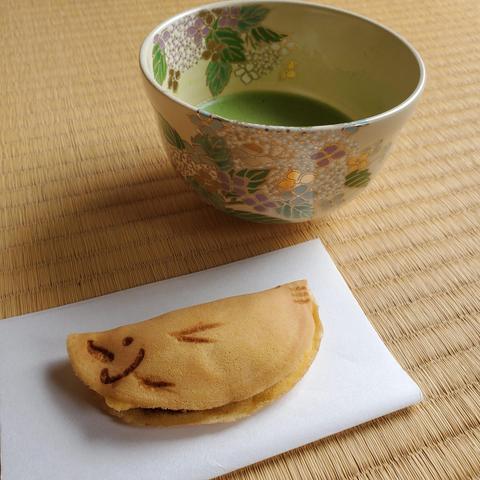
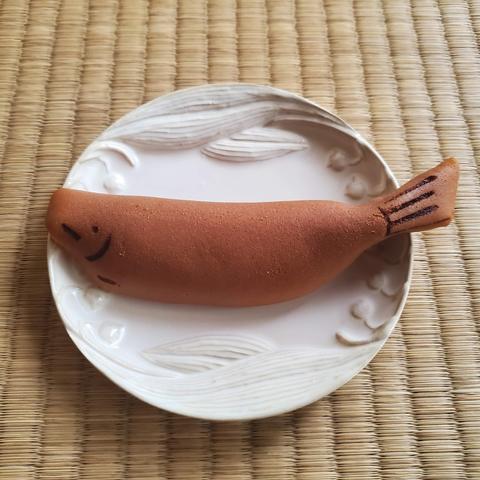
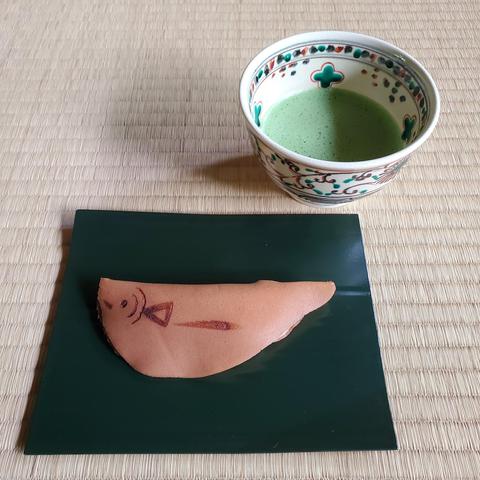
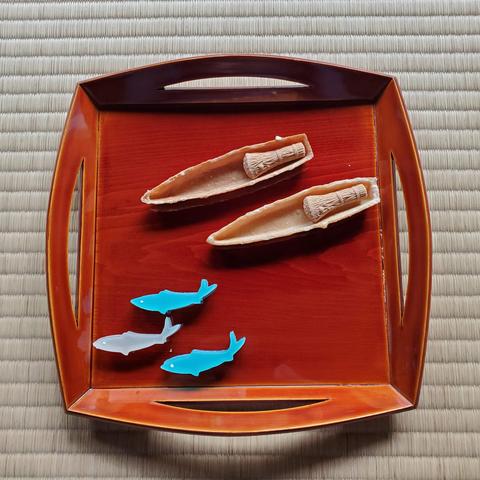
'Waka-ayu' (若鮎 'young sweetfish') are sold from late spring until summer's end, and although the sweets all look very similar, they have a multitude of small differences.

#Japan #wagashi #和菓子 #wakaayu #若鮎 #sweetfish #Kyoto #japanesesweets #京都
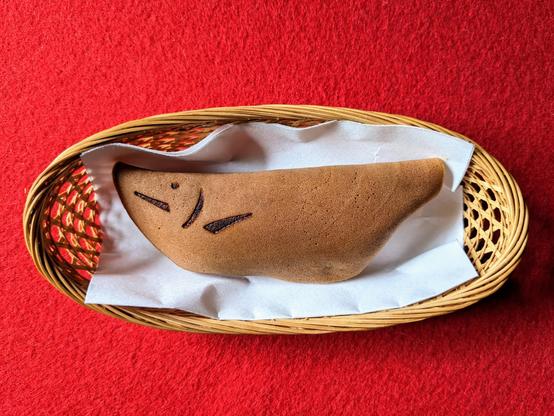
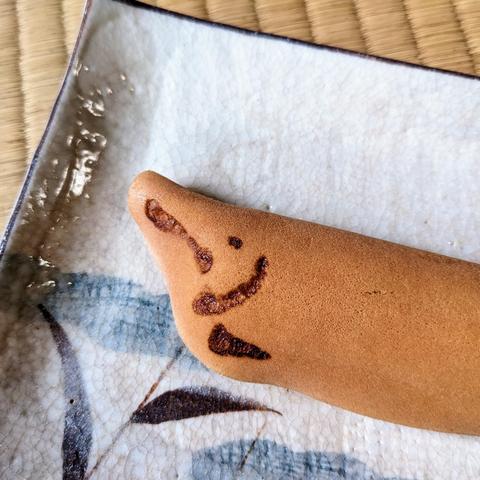
'Waka-ayu' (若鮎) is a fish-shaped waffle with 'gyūhi' (求肥) filling.
The features of the ayu are seared on with a hot iron, and occasionally the waffle is folded to create gills.

Gyūhi is a softer version of mochi (餅), a sticky dough made from glutinous rice🤔

#Kyoto #Japan #wagashi #和菓子 #wakaayu #若鮎 #sweets #京都 #sweetfish

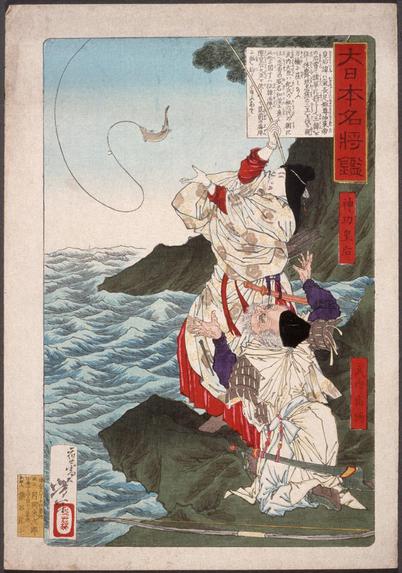
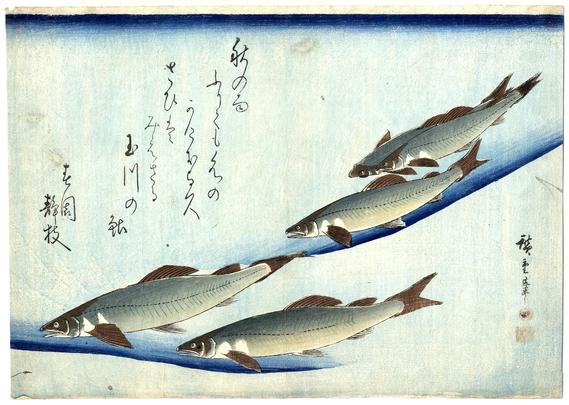
Ayu (鮎) is especially symbolic as the fish also goes by the name 'Nengyo' (年魚), meaning 'Year Fish'.

Although the name comes from the 1 year life-span of the ayu, it became a symbol of longevity and was served during New Year celebrations.

#ayu #sweetfish #鮎 #Japan

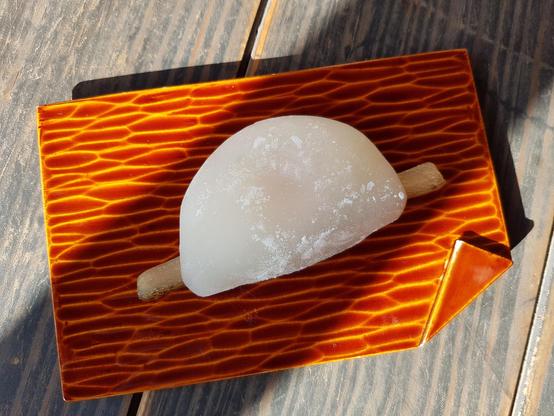
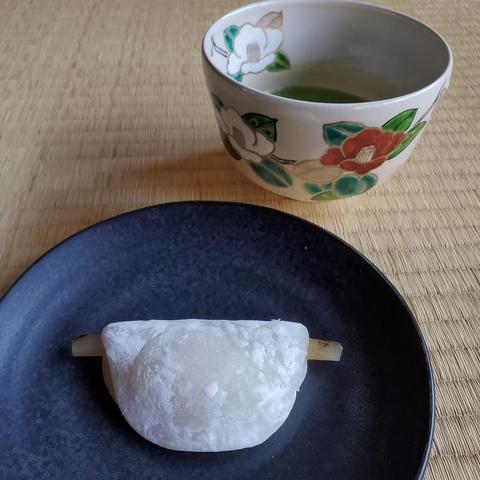
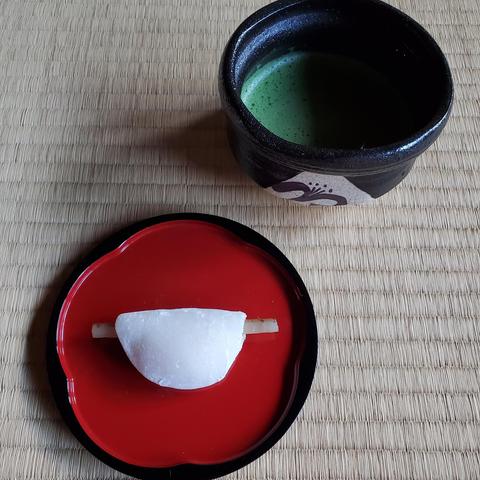
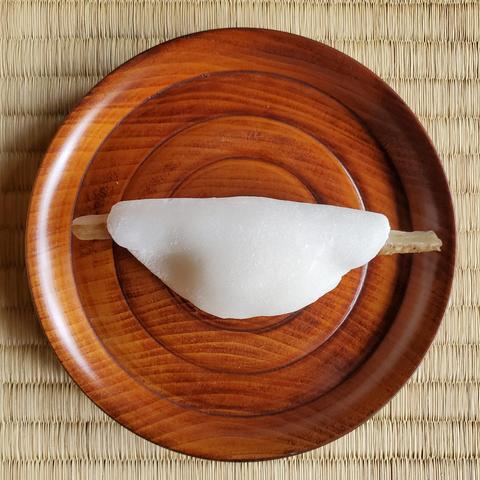
Hanabiramochi (葩餅) are typically eaten during the first tea ceremony of the year.

A circle of white mochi is folded over sweet bean paste to form a semi-circular shape. At the heart of the sweet a gentle pink colour glows, fading out to pure white at its edges.

Filled with symbolism, the sweet's pink glow hints at plum blossoms and their association with renewal. Red is also considered a celebratory colour in Japan.
The burdock, representing ayu (アユ/鮎 'sweetfish'), is a wish for long life!

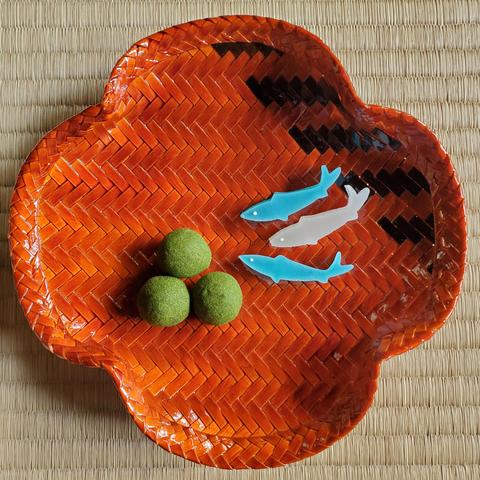
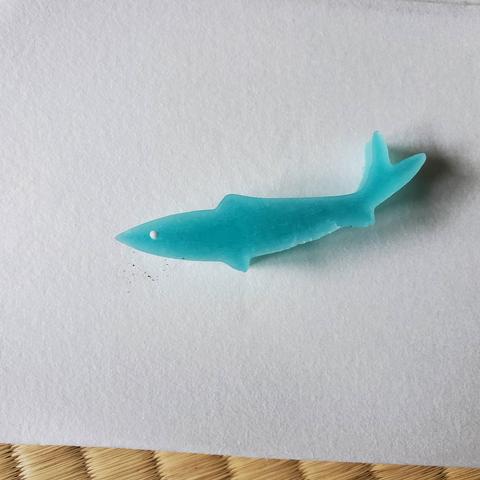
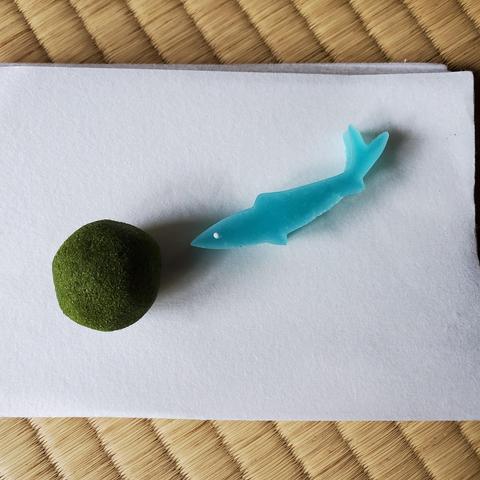
Kanshundō's (甘春堂) ayu-shaped 'kohaku' (琥珀) nibble on Kanaya Masahiro's (金谷正廣) moss-like 'shinsei-mame' (真盛豆).

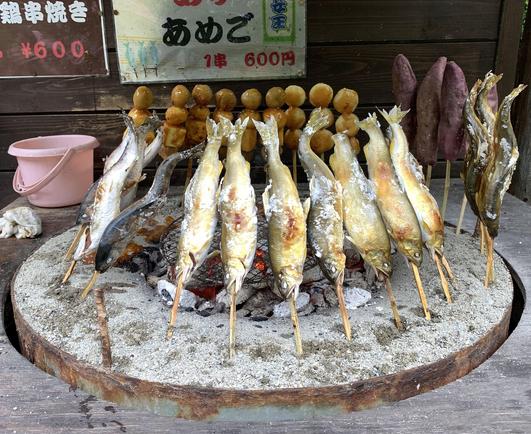
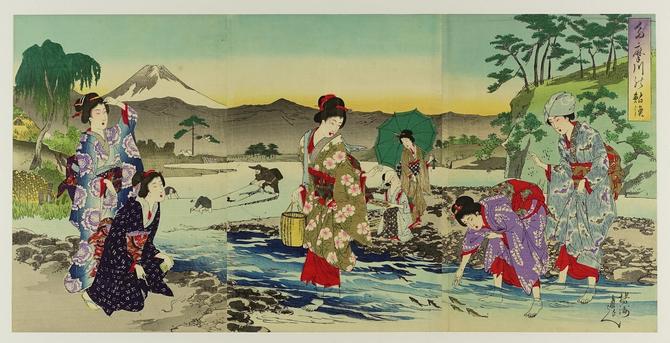
June heralds the start of ayu (鮎) fishing season in Japan. Their diet of moss is said to give sweetfish a watermelon(ish) taste!

#wagashi #japanesesweets #和菓子 #干菓子 #Kyoto #京都