 Fuzzy Leapfrog
Happy #PrideMonth2024 🌈
Letztes Jahr habe ich jeden Tag etwas zu #QueerJoy geschrieben. Dieses Jahr erzähle ich euch einfach hier und da von ein paar Bits und Pieces wo #Queerness in meiner Arbeit und meiner Freizeit auftaucht.
Happy #PrideMonth2024 🌈
Letztes Jahr habe ich jeden Tag etwas zu #QueerJoy geschrieben. Dieses Jahr erzähle ich euch einfach hier und da von ein paar Bits und Pieces wo #Queerness in meiner Arbeit und meiner Freizeit auftaucht.

Dieses Semester betreuen eine Kollegin und ich Studi-Projekte zu #BannedBooks. Studis schauen sich Bücher aus der PEN-America-Liste an, schauen ob/wie sie in dt. Bibliotheken stehen und wie sie in #Wikipedia diskutiert werden. Was das mit #Queerness zu tun hat?
"And everywhere, it is the books that have long fought for a place on the shelf that are being targeted. Books by authors of color, by LGBTQ+ authors, by women. Books about racism, sexuality, gender, history."
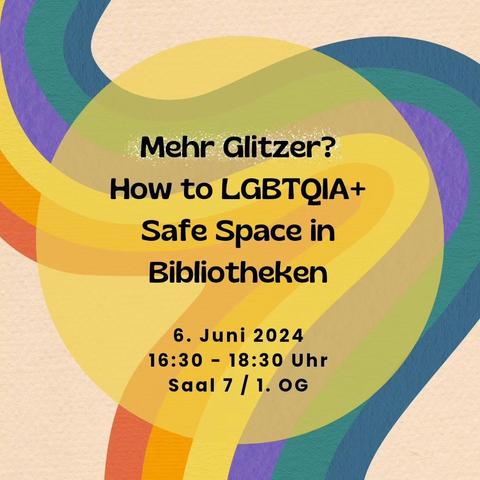
Die #bibliocon24 startet für mich um 14:30 Uhr. Zwei Kolleg*innen und ich stellen im #Freiraum die #Queerbrarians vor. Das Netzwerk queerer Bibliotheksmenschen. Es geht um gegenseitigen Support, darum die Bibliothekswelt queerfreundlicher zu machen und sich einfach zu vernetzen.
Wir haben klare Regeln. Das ist uns wichtig. Wer selbst queer und Librarian ist und dazu kommen möchte, findet alle Infos auf der Webseite.

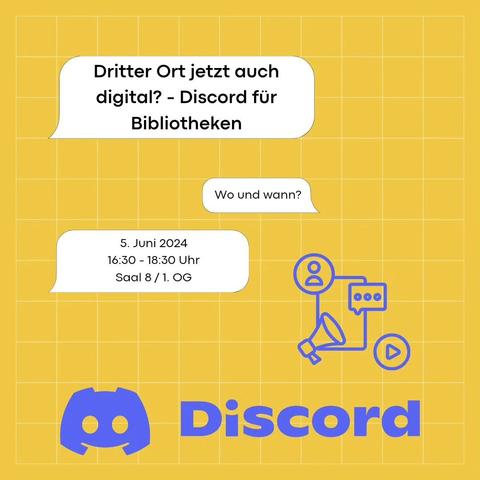
Was hat Discord und unser #HandsOnLab auf der #bibliocon24 mit #Queerness zu tun?
Es gibt viele queere Communities, die sich auf Discord überregional bis global vernetzen. Sie schaffen sich dort Orte für Austausch und gegenseitigen Support.
Wir gehen im Workshop folgenden Fragen nach und üben praktisch: Wie nutzt man Discord? Wie erstelle ich einen eigenen Discord-Server für eine Community? Wie schaffe ich einen sicheren und aktiven digitalen Raum? #pridemonth2024
Out im Beruf: Ja, nein, vielleicht?
Wie halte ich es in der #Lehre?
Mein Schlüsselbund für die Arbeit hat meine spezifischen Pride Flags (ace, pan, bi) als ziemlich auffällige Schlüsselanhänger. Wer die Flaggen kennt, kann zumindest vermuten, dass es meine sind. Die, die damit nichts anfangen können, sind meist völlig planlos. Das ist okay. Es geht mir hauptsächlich darum, dass queere Menschen wissen, sie sind nicht alleine.
Out in der #Forschung?
Es gibt viele Menschen, die meinen im Kontext von Forschung habe die eigene Persönlichkeit und die eigene Lebensrealität keine Bedeutung. Als wären Forschende frei von Bias oder nicht angetrieben von ihrer eigenen Neugier.
Wer wir sind und in welcher Gesellschaft wir leben, hat meiner Meinung nach immer einen Bezug zu dem woran und wie wir forschen.
Denkt zum Beispiel an die Forschung rund um Vogelgesänge und mehr in der Biologie.
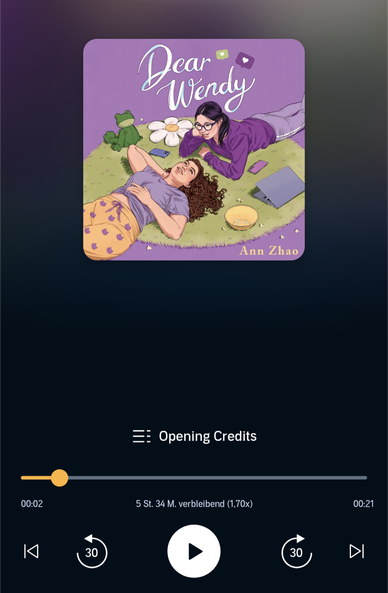
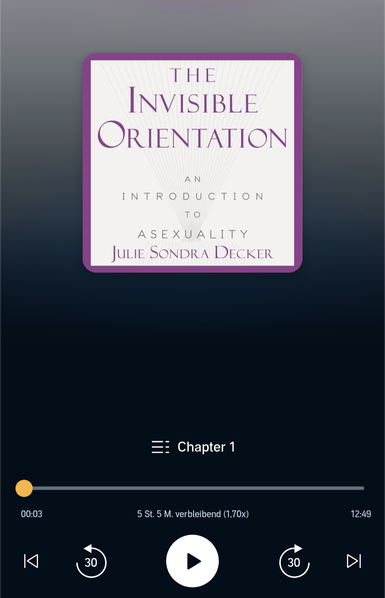
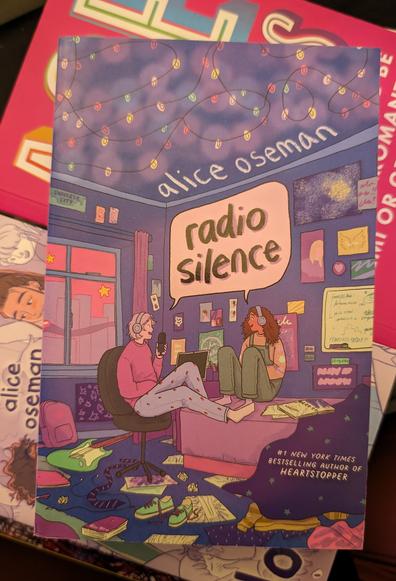
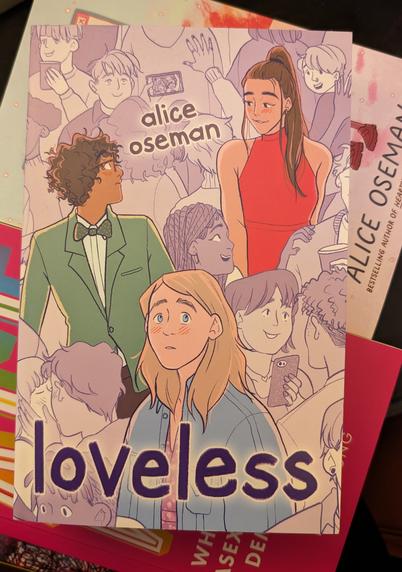
"I grew up in a conservative district where bannings were common. As someone who was dealing with homophobia, racism, homelessness, and abuse as a child/teenager, it was horrifically isolating to see adults in my life say that we shouldn’t talk about those issues or that kids shouldn’t be exposed to them. These “issues” weren’t things in a book to me; I couldn’t close the covers, put them back on the shelf, and forget them. It was my everyday life." [2/2]
Mark Oshiro
https://edicottonquilt.com/2022/02/13/banned-voices-mark-oshiro/
Was gestern quasi zeitgleich zur Lehrveranstaltung passiert ist, ist an Ironie kaum zu übertreffen.
"Stranger than fiction: Florida school board bans a book about book bans after Moms for Liberty crusade
The book tells the story of a fictional fourth grader who runs a secret library of banned books"
Offen zu sein und mich im Internet zu tummeln, hat Menschen in mein Leben gebracht, denen ich sonst vielleicht nie begegnet wäre.
Dafür bin ich jeden Tag dankbar. #pridemonth2024
Gretchen: [...] You were giving a talk about your dissertation on how nonbinary people talk. How did you get into that topic?
Jacq: Sure. I think for most linguists, if you can press them, for most people in academia, what you’re into – there’s always something personal in it. There’s always something in what you’re doing.
https://lingthusiasm.com/post/753857305290915840/episode-93-how-nonbinary-and-binary-people-talk

Episode 93: How nonbinary and binary people talk - Interview with Jacq Jones There are many ways that people perform gender, from clothing and hairstyle to how we talk or carry ourselves. When doing linguistic analysis of one aspect, such as someone’s voice, it’s useful to also consider the fuller picture such as what they’re wearing and who they’re talking with. In this episode, your host Gretchen McCulloch gets enthusiastic about how nonbinary people talk with Jacq Jones, who’s a lecturer at Te Kunenga ki Pūrehuroa / Massey University in Auckland, New Zealand. We talk about their research on how nonbinary and binary people make choices about how to perform gender using their voices and other variables like clothing, and later collaborating with one of their research participants to reflect on how it feels to have your personal voice and gender expression plotted on a chart. We also talk about linguistic geography, Canadian and New Zealand Englishes, and the secret plurality of R sounds in English and how you can figure out which one you have by poking yourself (gently!) with a toothpick. Click here for a link to this episode in your podcast player of choice or read the transcript here. Announcements: In this month’s bonus episode we get enthusiastic about three of our favourite kinds of linguistic mixups: spoonerisms, mondegreens, and eggcorns! We talk about William Spooner, the Oxford prof from the 1800s that many spoonerisms are (falsely) attributed to, Lauren’s very Australian 90s picture book of spoonerisms, the Scottish song “The Bonny Earl of Moray” which gave rise to the term mondegreen, why there are so many more mondegreens in older pop songs and folk songs than there are now, and how eggcorn is a double eggcorn (a mis-parsing of acorn, which itself is an eggcorn of oak-corn for akern). Join us on Patreon now to get access to this and 80+ other bonus episodes. You’ll also get access to the Lingthusiasm Discord server where you can chat with other language nerds about your favourite linguistic mixups. Here are the links mentioned in the episode: Jacq Jones’ website ‘Beyond a dot on a graph: A participant’s perspective on being quantified in variationist sociolinguistic research’ presentation slides by Kaspar Middendorf and Jacq Jones Lingthusiasm episode 'What visualizing our vowels tells us about who we are’ Lingthusiasm bonus episode 'How we made vowel plots with Bethany Gardner’ Lingthusiasm episode 'The linguistic map is not the linguistic territory’ (linguistics and geography) Lal Zimman’s website 'The Female-to-Male Transsexual Voice: Physiology vs. Performance in Production’ by Viktória Papp 'Voice and Communication Change for Gender Nonconforming Individuals: Giving Voice to the Person Inside’ by Shelagh Davies, Viktória Papp, and Christella Antoni You can listen to this episode via Lingthusiasm.com, Soundcloud, RSS, Apple Podcasts/iTunes, Spotify, YouTube, or wherever you get your podcasts. You can also download an mp3 via the Soundcloud page for offline listening. To receive an email whenever a new episode drops, sign up for the Lingthusiasm mailing list. You can help keep Lingthusiasm ad-free, get access to bonus content, and more perks by supporting us on Patreon. Lingthusiasm is on Bluesky, Twitter, Instagram, Facebook, Mastodon, and Tumblr. Email us at contact [at] lingthusiasm [dot] com Gretchen is on Bluesky as @GretchenMcC and blogs at All Things Linguistic. Lauren is on Bluesky as @superlinguo and blogs at Superlinguo. Lingthusiasm is created by Gretchen McCulloch and Lauren Gawne. Our senior producer is Claire Gawne, our production editor is Sarah Dopierala, our production assistant is Martha Tsutsui Billins, and our editorial assistant is Jon Kruk. Our music is ‘Ancient City’ by The Triangles. This episode of Lingthusiasm is made available under a Creative Commons Attribution Non-Commercial Share Alike license (CC 4.0 BY-NC-SA).
Das Buch war bei uns Teil des Lesesommers für die ÖBs im Land
Es ist einfach so wichtig das zu thematisieren.@fuzzyleapfrog wie toll ist das denn 💙
(Bei uns wurde letztes Jahr - mit neuem Präsidenten - nicht mal mehr die Prideflagge gehisst wie sonst)
(dieses Jahr ist auch Funkstille, Flagge weiß ich aber nicht, ich bin in Elternzeit)
@fuzzyleapfrog Ich tippe auf Ignoranz. Die zentrale Gleichstellungsbeauftragte ignoriert queere Themen völlig, der Diversityauftragte macht eher (gute!) antirassistische Arbeit. Manche Themen sind da einfach außen vor.
Ich habe mich tatsächlich letztes Jahr über die fehlende Flagge beschwert, wir besitzen eine, wir flaggen zu allen möglichen Anlässen mit irgendwas, wenigstens das muss drin sein.



 SuperIlu
 Thomas Kahle
 Tobias
 Rince_wind
 mxk
mxk Martin ███████
 Anders von Hadern 🐦🔥
 swamp monk
 Daniela
 Jules
Jules SadMonk