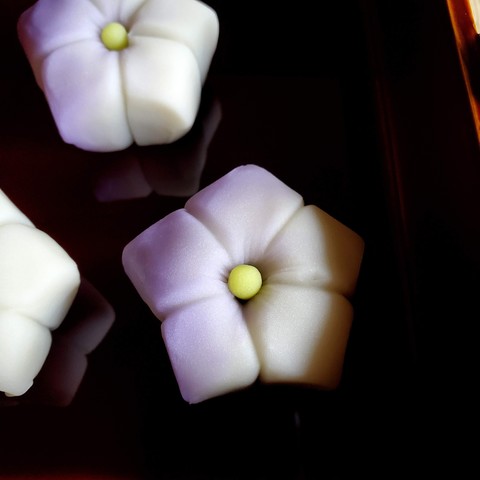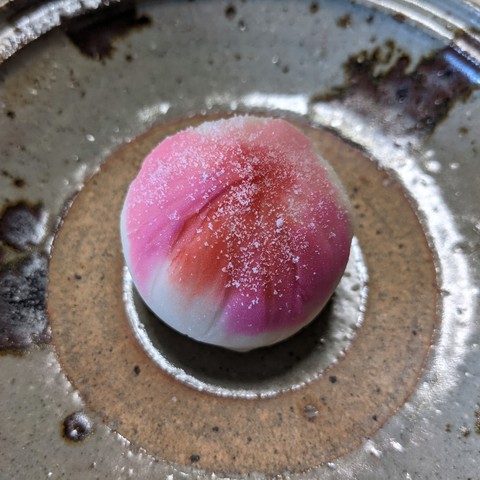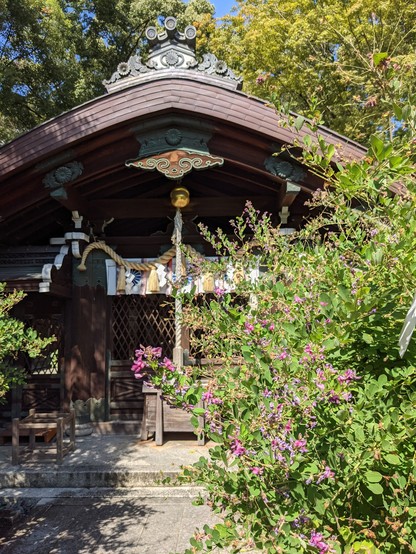
🌿THE 7 FLOWERS OF AUTUMN🥣

Mirroring the '7 Herbs of Spring' (七草の節句), consumed for good health and luck in January, come the '7 Flowers of Autumn', known as 'Aki-no-Nanakusa' (秋の七草/秋の七種). These plants are mostly a feast for the eyes and not the belly.

The '7 Flowers of Autumn' (秋の七草):
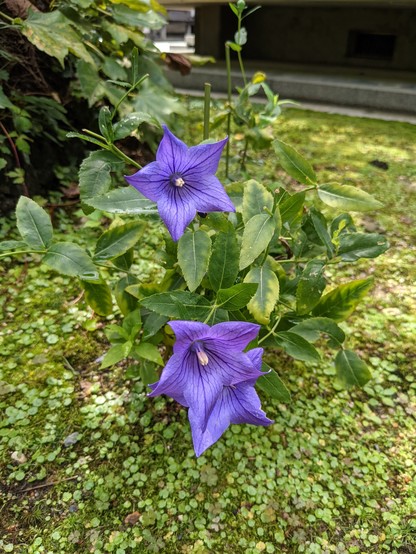
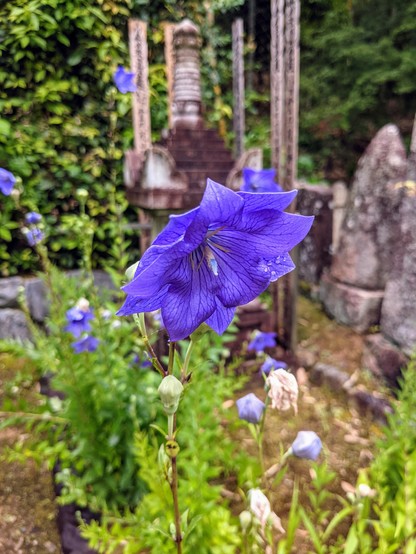
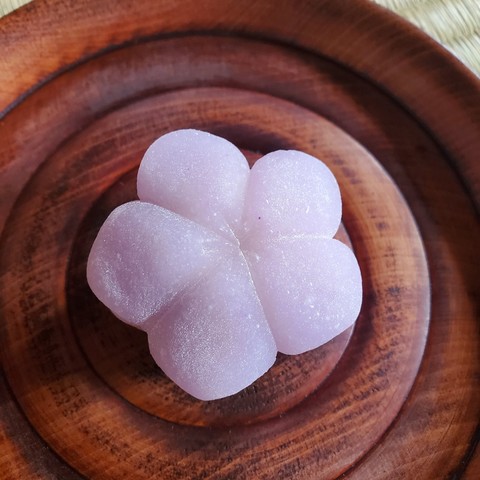
💮bellflowers (桔梗 'kikyō')
💮bush clover (萩 'hagi')
💮miscanthus (尾花 'obana')
💮kudzu (葛 'kuzu')
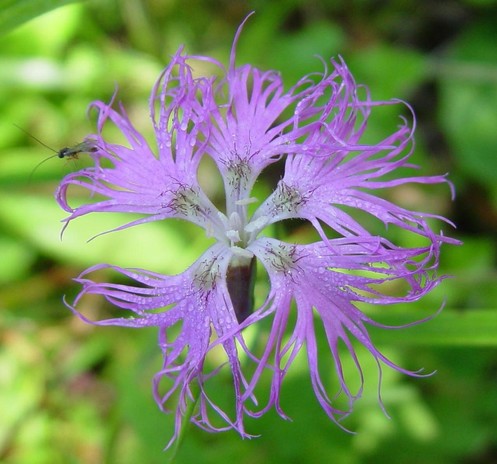
💮large pink (撫子 'nadeshiko')
💮yellow valerian (女郎花 'ominaeshi')
💮boneset (藤袴 'fujibakama')
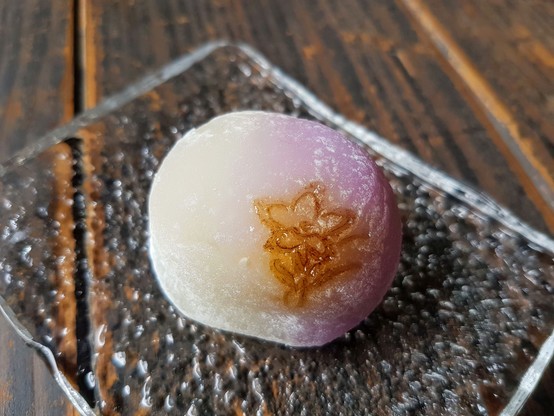
#Kyoto #Japan #autumn #秋の七草

It is thought the origin of the 'Aki-no-Nanakusa' can be traced to 2 poems by Yamanoue-no-Okura (山上憶良/山於億良 660–733?). Both are featured in the Man'yōshū (万葉集), the oldest extant collection of Japanese waka (poetry in Classical Japanese), compiled in the Nara period.

flowers blossoming
in autumn fields-
when I count them on my fingers
they then number seven
秋の野に咲きたる花を
指および折りかき数ふれば七種ななくさの花

-Yamanoue-no-Okura (山上憶良 660–733).
Man'yōshū (万葉集), poem 1537.

#Kyoto #Japan #autumn #manyoshu #万葉集 #京都

1) KIKYŌ
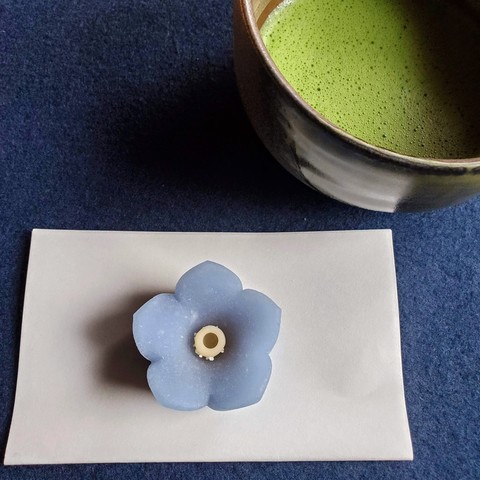
Bellflowers (桔梗) are increasingly rare in the wild. Popularly offered to the dead at Obon, the flower represents elegance, refinement, & honesty.
The roots are believed to help with coughs & phlegm.

Akechi Mitsuhide (1528-82) used the flower for his crest.

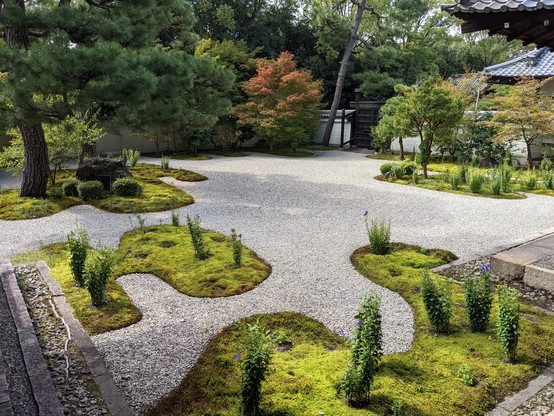
Rozan-ji's Genji-no-tei (源氏庭) was designed in 1965, inspired by Heian gardens. Kikyō offer the only colour.
White gravel is shaped into a pattern known as Genji Kumogata, imitating the gold clouds seen on The Tale of Genji scrolls.

2) NADESHIKO
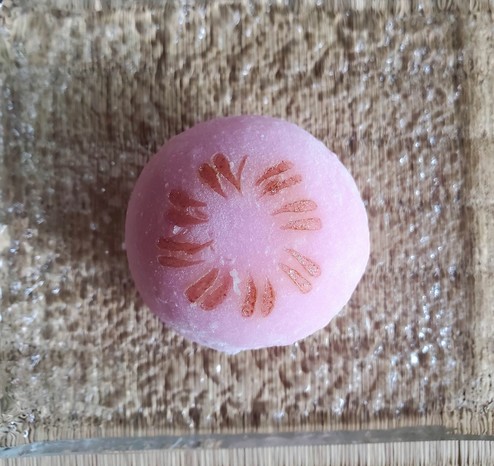
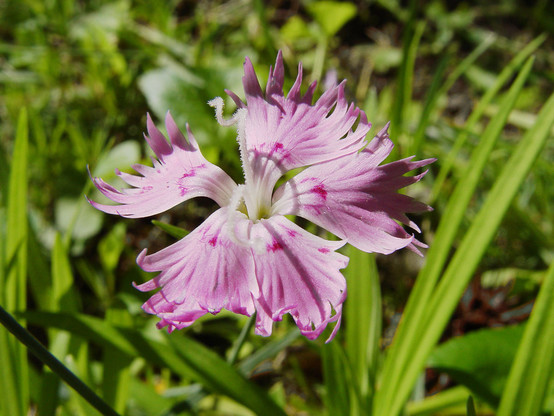
Nadeshiko (撫子) are counted as a fall flower, but because they can bloom from as early as late spring, they're also known as 'everlasting summer' (常夏).

'Nade' (撫) means 'caress'...people considered the flowers so beautiful that you could not help but touch them.

Dianthus symbolize cheerfulness, innocence, constancy and feminine beauty. In Edo times the flower was used in New Year decorations that followed a year of natural disasters and misfortune.

#撫子 #dianthus #7FlowersofAutumn

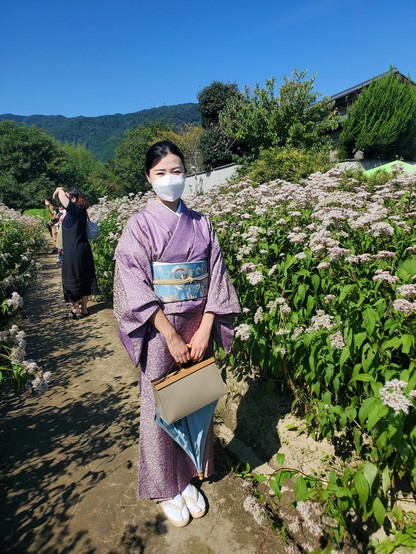
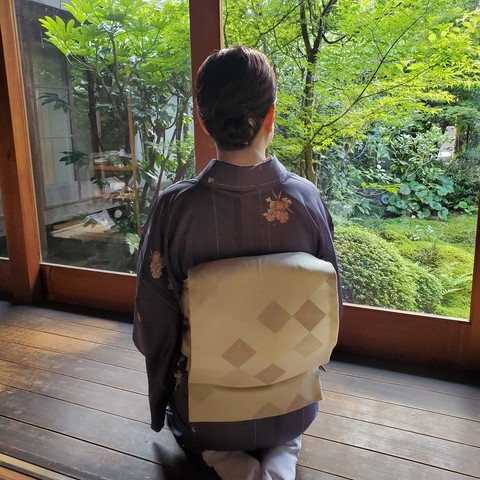
@camelliakyoto Maybe a bit of a tangent but that kimono eri almost looks like it has a kind of basting stitch through it. Is that common? Or is it the pattern?