🌿THE 7 FLOWERS OF AUTUMN🥣

Mirroring the '7 Herbs of Spring' (七草の節句), consumed for good health and luck in January, come the '7 Flowers of Autumn', known as 'Aki-no-Nanakusa' (秋の七草/秋の七種). These plants are mostly a feast for the eyes and not the belly.

The '7 Flowers of Autumn' (秋の七草):
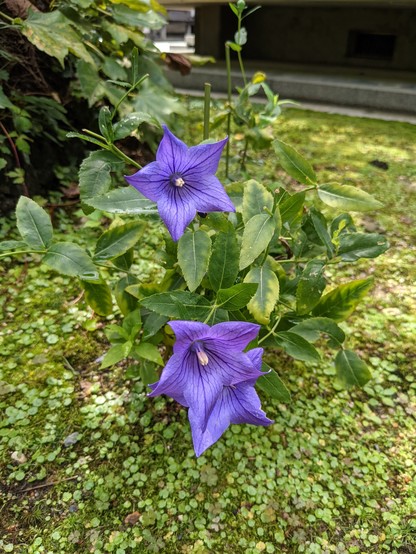
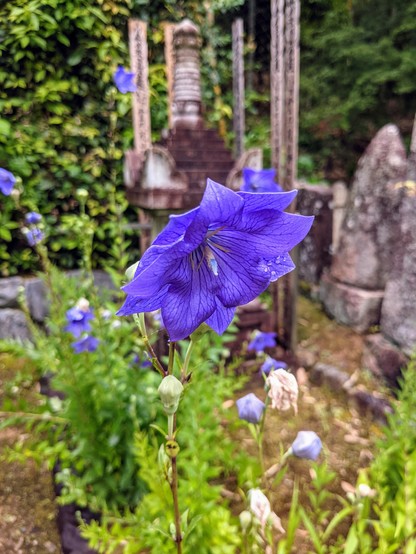
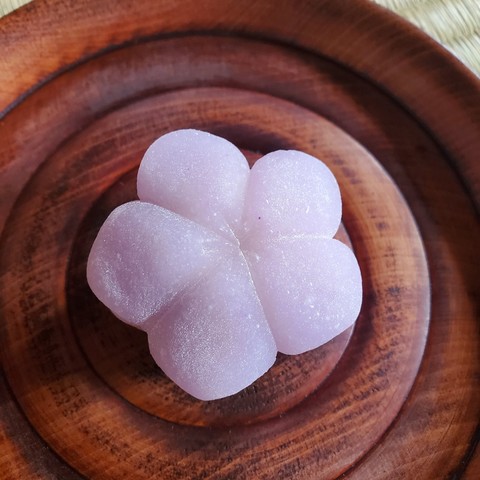
💮bellflowers (桔梗 'kikyō')
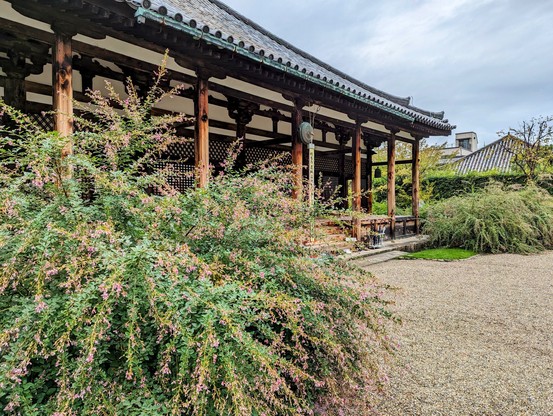
💮bush clover (萩 'hagi')
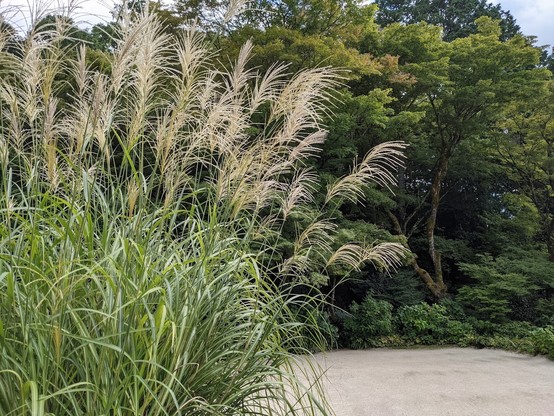
💮miscanthus (尾花 'obana')
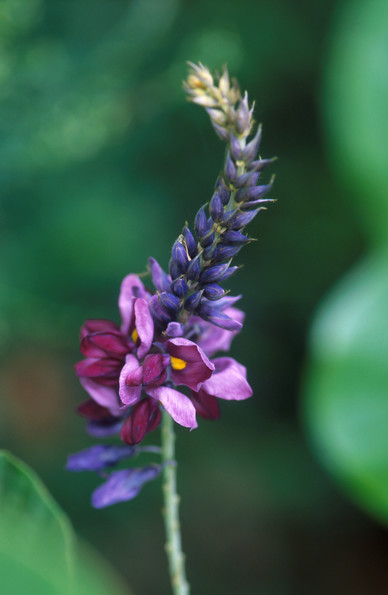
💮kudzu (葛 'kuzu')
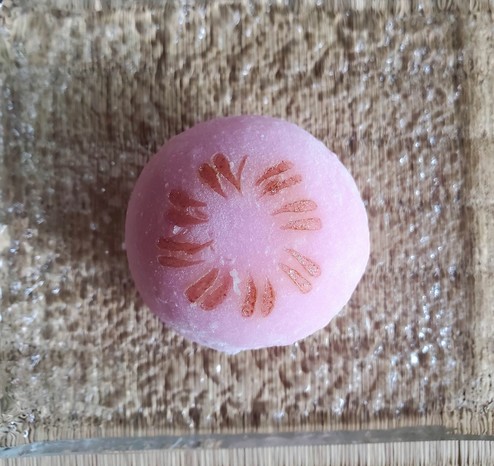
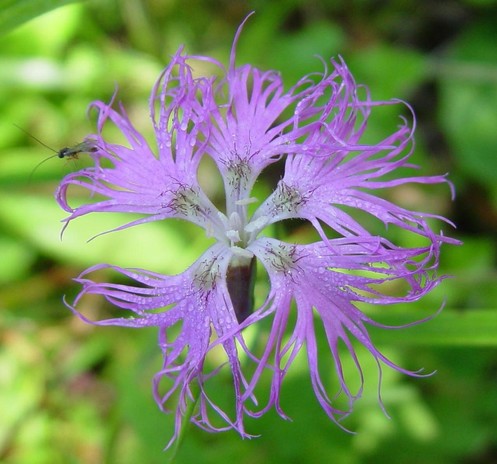
💮large pink (撫子 'nadeshiko')
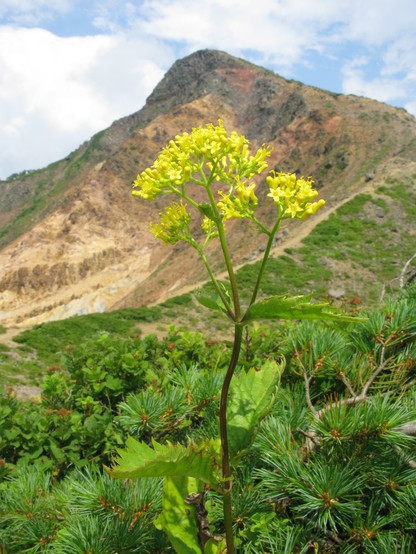
💮yellow valerian (女郎花 'ominaeshi')
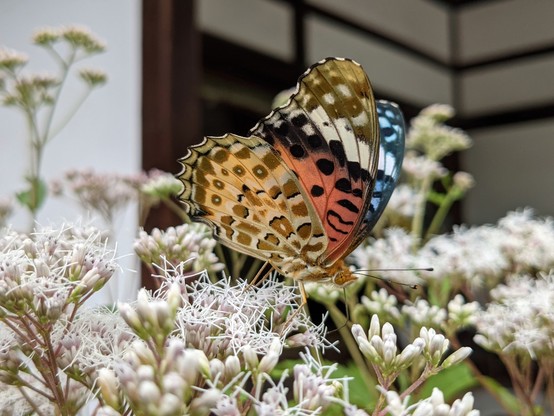
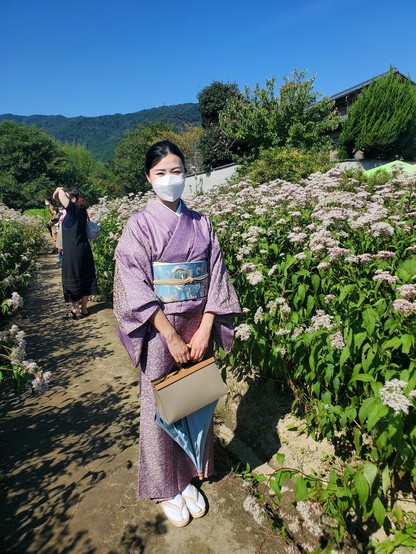
💮boneset (藤袴 'fujibakama')
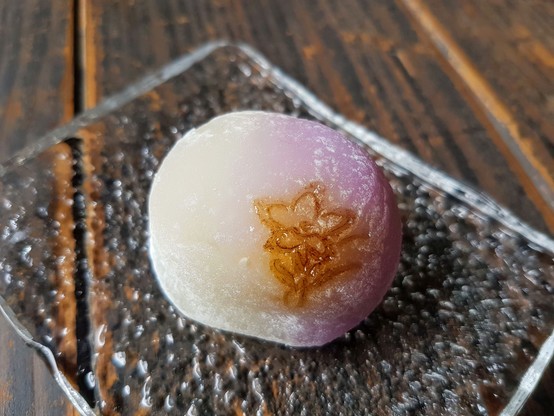
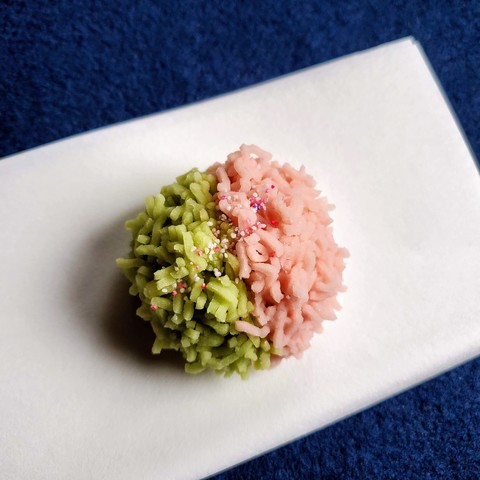
#Kyoto #Japan #autumn #秋の七草

It is thought the origin of the 'Aki-no-Nanakusa' can be traced to 2 poems by Yamanoue-no-Okura (山上憶良/山於億良 660–733?). Both are featured in the Man'yōshū (万葉集), the oldest extant collection of Japanese waka (poetry in Classical Japanese), compiled in the Nara period.

flowers blossoming
in autumn fields-
when I count them on my fingers
they then number seven
秋の野に咲きたる花を
指および折りかき数ふれば七種ななくさの花

-Yamanoue-no-Okura (山上憶良 660–733).
Man'yōshū (万葉集), poem 1537.

#Kyoto #Japan #autumn #manyoshu #万葉集 #京都

1) KIKYŌ
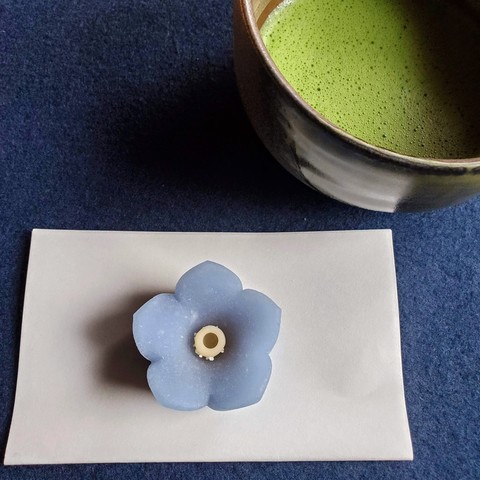
Bellflowers (桔梗) are increasingly rare in the wild. Popularly offered to the dead at Obon, the flower represents elegance, refinement, & honesty.
The roots are believed to help with coughs & phlegm.

Akechi Mitsuhide (1528-82) used the flower for his crest.

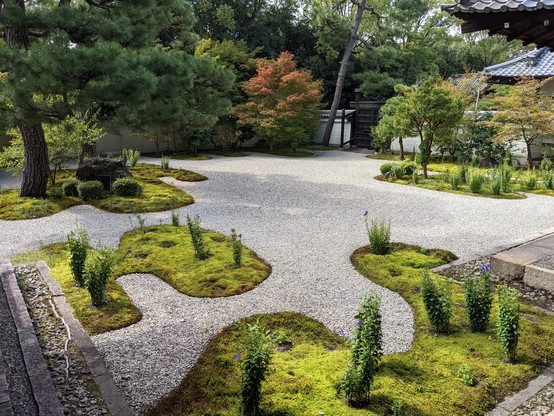
Rozan-ji's Genji-no-tei (源氏庭) was designed in 1965, inspired by Heian gardens. Kikyō offer the only colour.
White gravel is shaped into a pattern known as Genji Kumogata, imitating the gold clouds seen on The Tale of Genji scrolls.

2) NADESHIKO
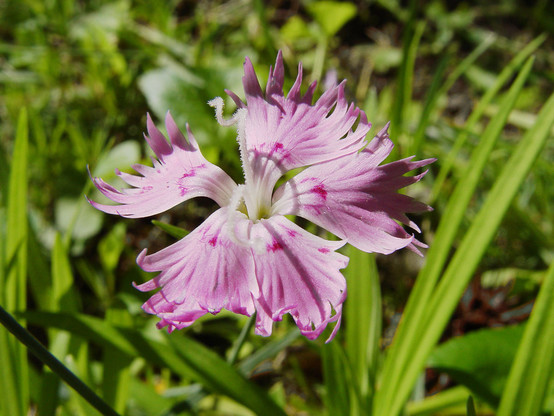
Nadeshiko (撫子) are counted as a fall flower, but because they can bloom from as early as late spring, they're also known as 'everlasting summer' (常夏).

'Nade' (撫) means 'caress'...people considered the flowers so beautiful that you could not help but touch them.

Dianthus symbolize cheerfulness, innocence, constancy and feminine beauty. In Edo times the flower was used in New Year decorations that followed a year of natural disasters and misfortune.

#撫子 #dianthus #7FlowersofAutumn

3) KUZU
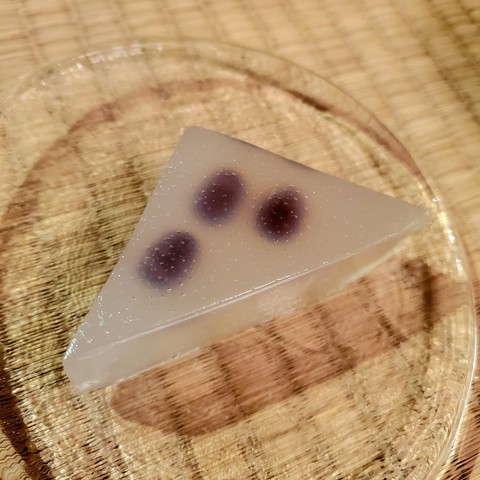
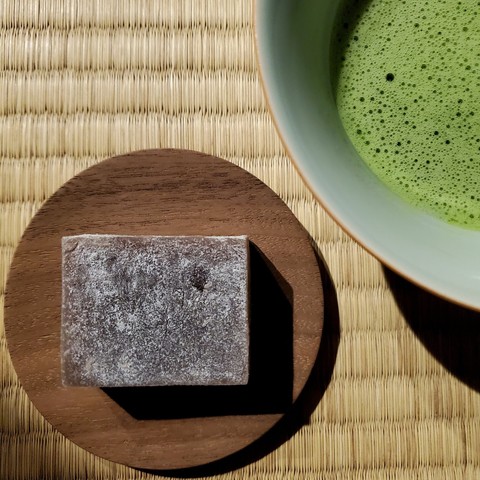
Kudzu (葛) is a type of vine that has been used for centuries in arrowroot cake, gruel, and to make noodles. Believed to aid with stomach problems, the dried stems are also used to make fabric & baskets.

It symbolises strength of spirit, healing, vitality, and patience.

Like bracken starch, kuzu was first farmed in what is now Nara prefecture.
In the Momoyama period kuzu became a popular ingredient in the foods and sweets prepared for tea ceremony, and as a result its popularity spread.

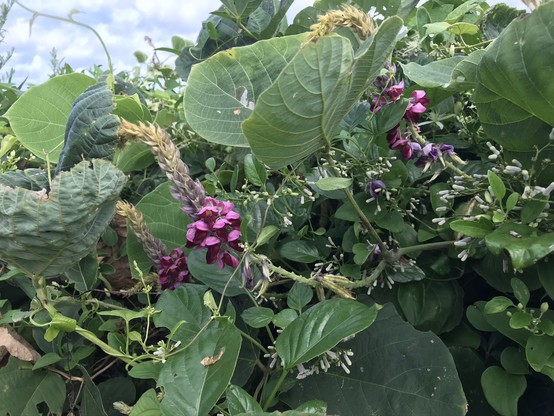
4) HAGI
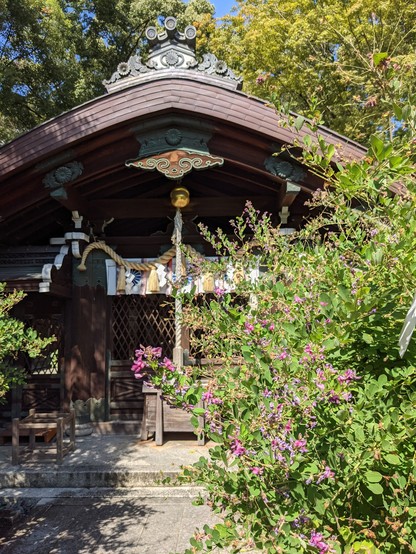
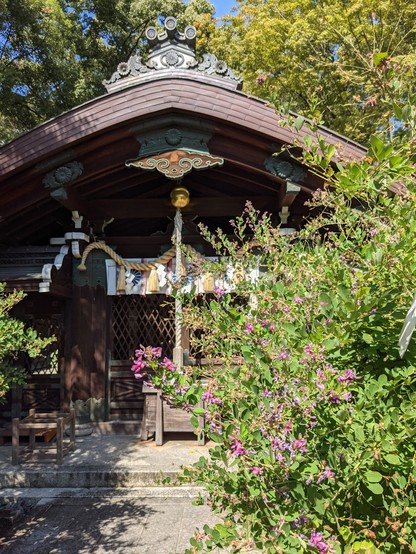
Hagi (萩), mentioned numerous times in the Man'yōshū (万葉集), is one of the great symbols of autumn.
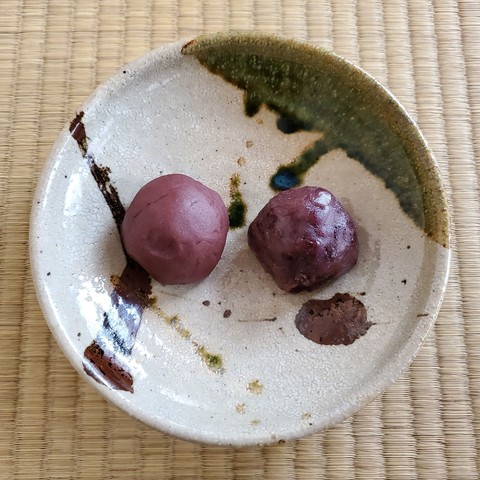
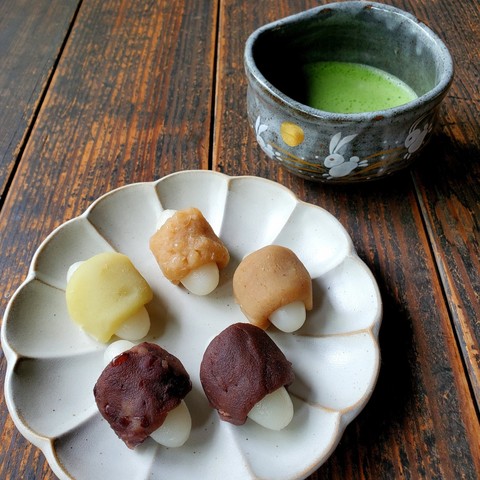
Representing bashfulness, affection & a meditative spirit, the flower lends its name to 'ohagi' (おはぎ), a sweet of red beans served around the Autumn Equinox (お彼岸).

Bush clover is sometimes known as "boar's bed" (臥猪床 'Fusui-no-toko') because the animals often use the plant as a nest.
In the card game hanafuda (花札) July is represented by bush clover & a wild boar (both representing harmony).
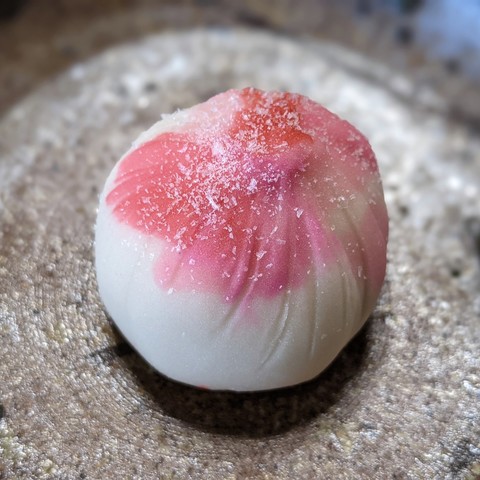
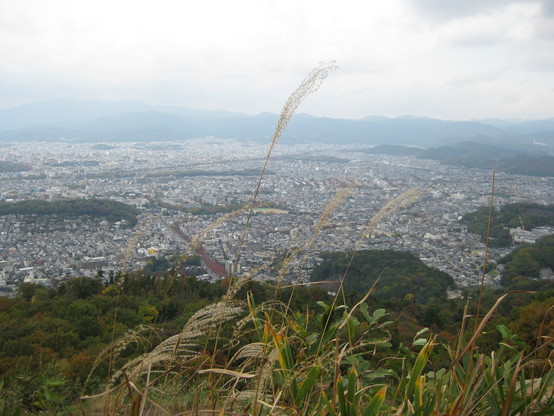
5) OBANA
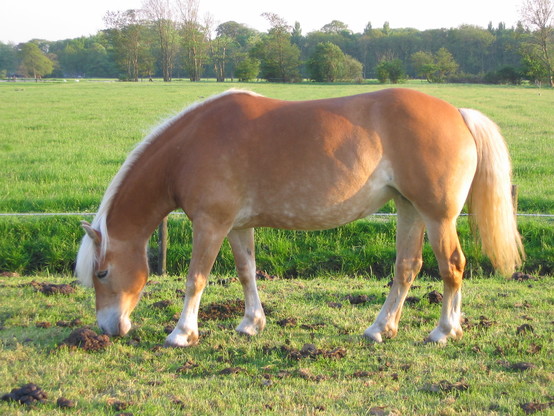
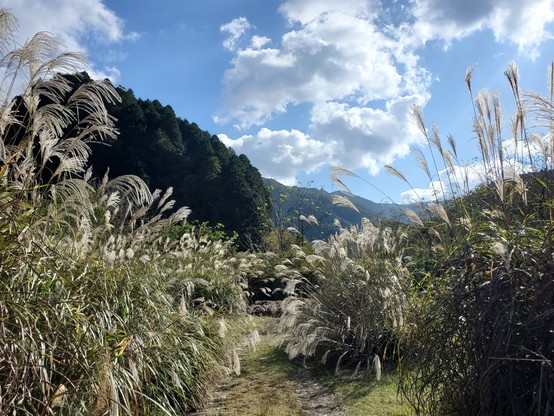
Obana (尾花), a kind of pampas grass, is so-named because the plant ears resemble animal tails. Horses with chestnut coats and white manes/tails are known as 'Obana Kurige' (尾花栗毛).
In the language of flowers (花言葉) the grass symbolises vitality and reckless youth.

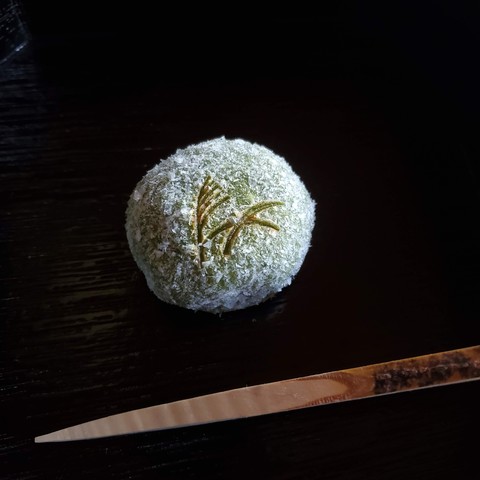
Displays of obana (susuki) and small pyramids of dango are often seen around 'moon viewing' season (月見), prayers for (and symbols of) a bountiful harvest.

#Japan #月見 #尾花

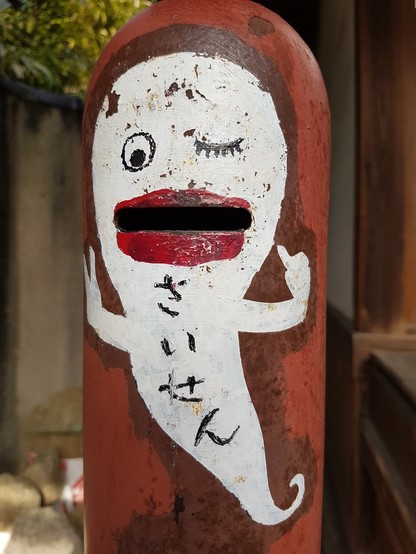
Obana features in a famous proverb...
幽霊の正体見たり枯れ尾花
(ゆうれいのしょうたいみたりかれおばな)
"The ghost, when examined closely, is withered silver grass".

In English we might say "fear makes the wolf bigger than he is" or "things are not as scary as they seem".

In the past pampas grass, if not growing wild nearby, was actively planted in fields close to villages and small settlements. The quick-growing (2m tall) and readily available grass was harvested as cheap thatching material and as food for livestock.
#Japan

6) OMINAESHI
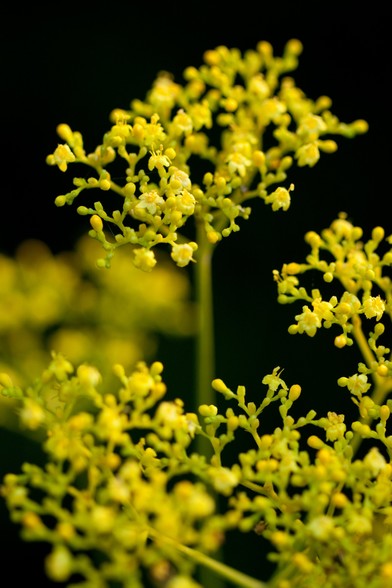
"The courtesan's flower" (女郎花) symbolises the keeping of promises, fleeting love and kindness. Considered to outshine the most beautiful woman (hence the name), poets have used the flower's imagery since ancient times.

There is another theory behind the origin of the name 'ominaeshi'.
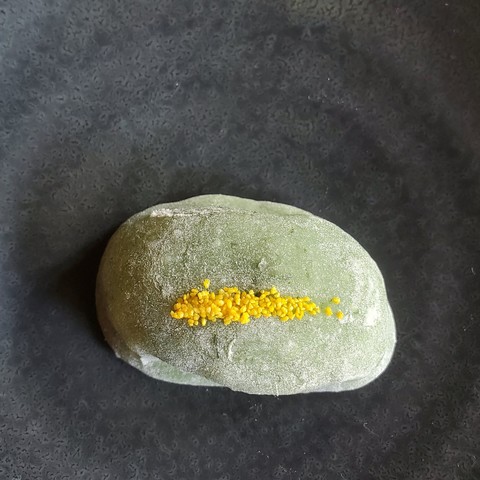
It is thought the yellow flowers were likened to 'onna-meshi' (女飯🍘), the cheaper, less-polished rice often eaten by women (men would typically get the finer rice, known as 'otoko-meshi' 男飯🍙).
🌾😠😡💢

7) FUJIBAKAMA
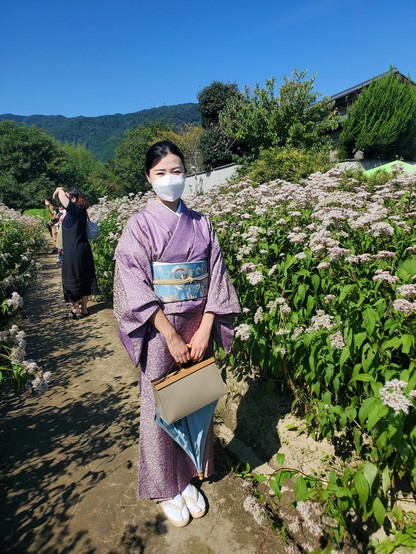
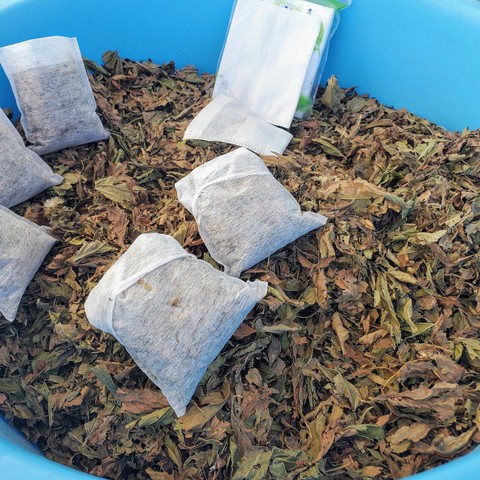
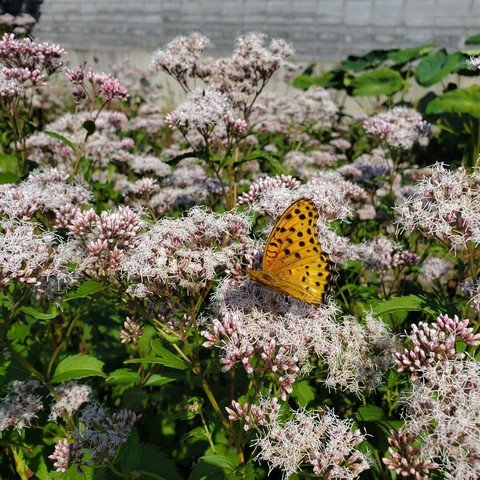
Fujibakama (藤袴) is now an endangered flower, but was once found growing in profusion along riverbanks. Symbolising caring and positive memories, the fragrant plant was commonly used in perfumes and hair products.

The flower was likened to 'hakama' (袴) and so became known as 'fujibakama' (藤袴 'purple trousers'). Related to the chrysanthemum, the plant is also known as 'mistflower', 'hemp agrimony' and 'agueweed'.

Chapter 30 of 'The Tale of Genji' (源氏物語) is named after the flowers.

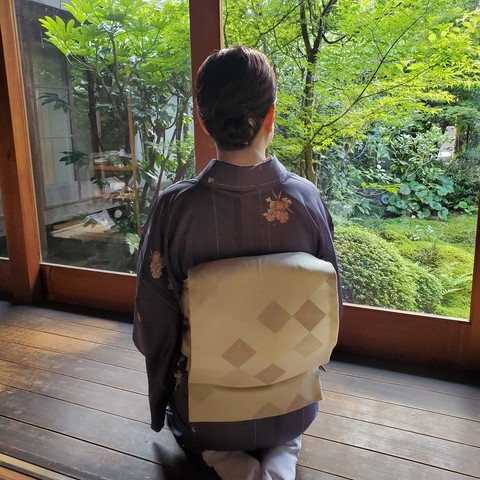
@camelliakyoto Maybe a bit of a tangent but that kimono eri almost looks like it has a kind of basting stitch through it. Is that common? Or is it the pattern?