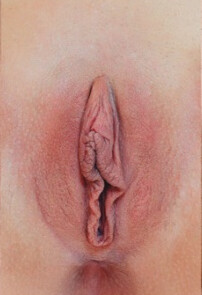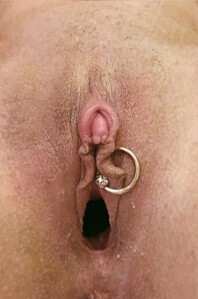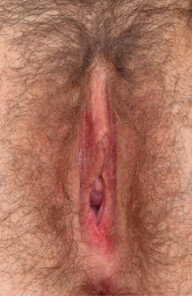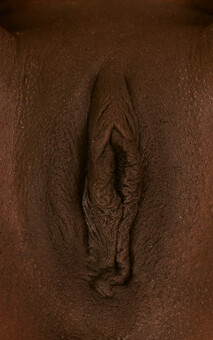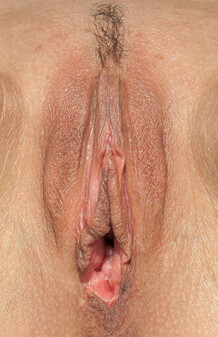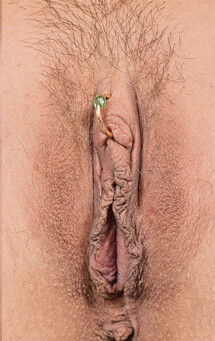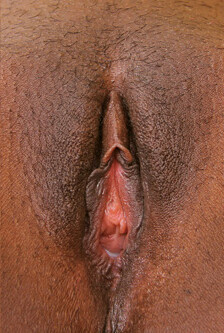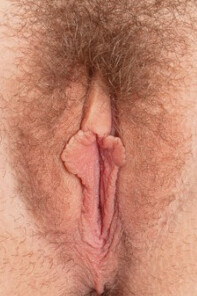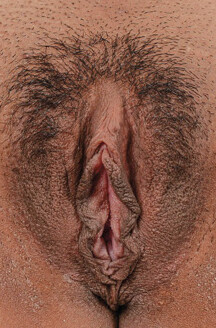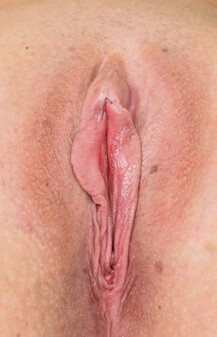
It's time for another #VulvaDiversity thread! This month, we're taking a peek around the back at the back of the vulva and the perineum.

As always, you'll be blocked for vulva-shaming or sexualised comments, so don't do that. Also, if you have content warnings turned off and you don't want to see photos of vulvas in your feed, it's time to switch them on!
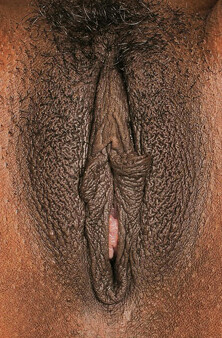
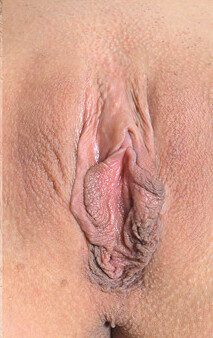
At the back of the vulva, the labia minora (inner lips) meet. This part is called the fourchette, or frenulum of the labia minora. Fourchette means "fork".
In many people, the fourchette has a similar colour and texture to the rest of the labia minora, which means there's lots of variance. In these photos, it's the bit that goes around at the bottom.
Worried you don't have that bit? Some people have a very minimal fourchette, where the labia minora appear fade into the perineum. There's sometimes a small fold visible, or sometimes none at all.
The fourchette marks the boundary between the vulva and the perineum. The word "perineum" derives from the ancient Greek word for male genitals - the same root as "penis". However, everyone has a perineum, and in anatomy it's used for the part between the genitals and the anus.
The skin of the perineum can be very similar to the skin on the buttocks, or it might be a different texture - it can be rougher or puckered.
Some people (but not everyone) might have two diagonal ridges on the perineum making a V shape. Some might have a line down the midline - this is called a raphe. Some might have both of these features, or neither.
By the way, "raphe" is pronounced "ray-fee", not like how you'd pronounce the name of the actor Ralph Fiennes.

@vagina_museum It is??? Well, now I feel a fool!

FAO @girlonthenet who maybe knows this already.