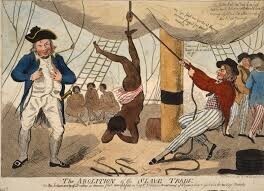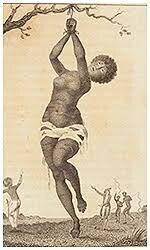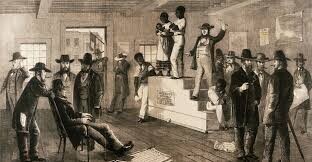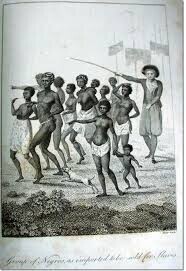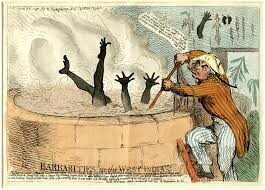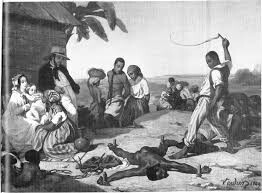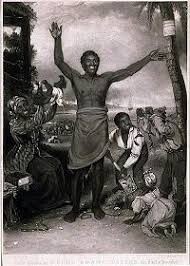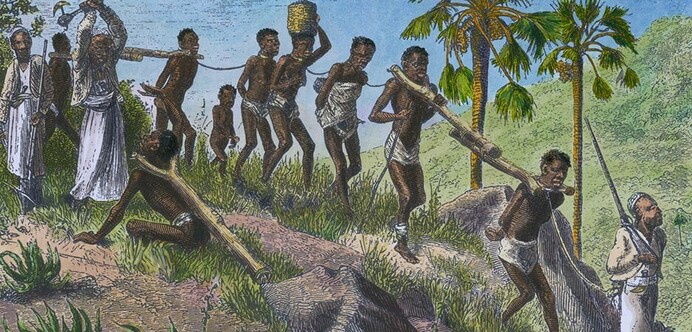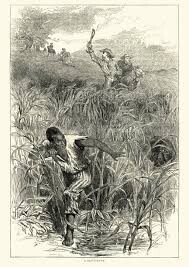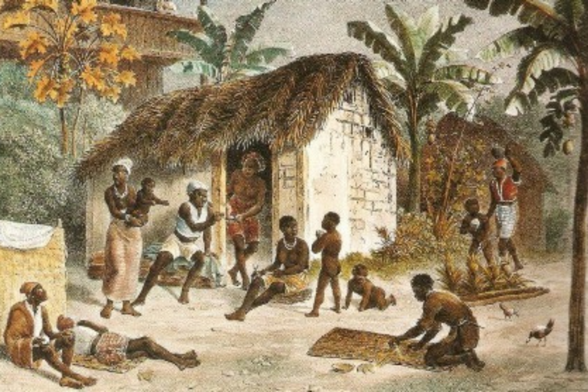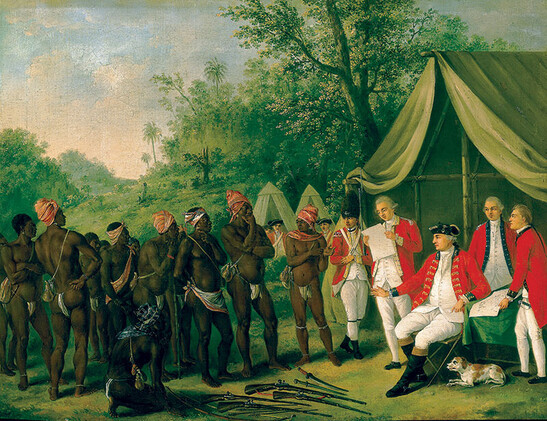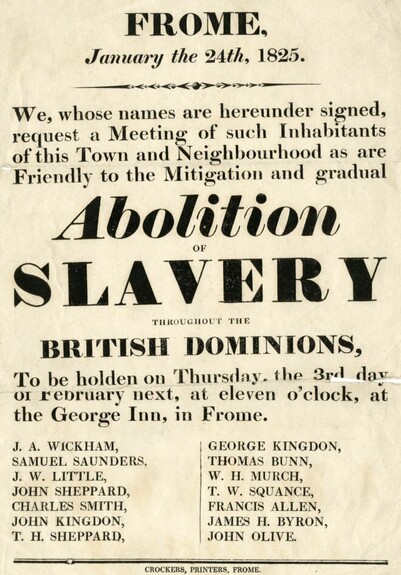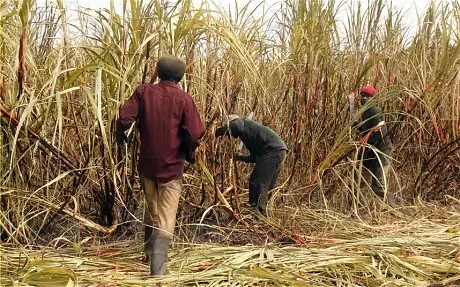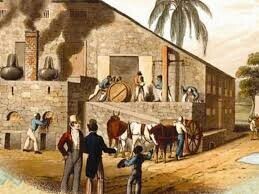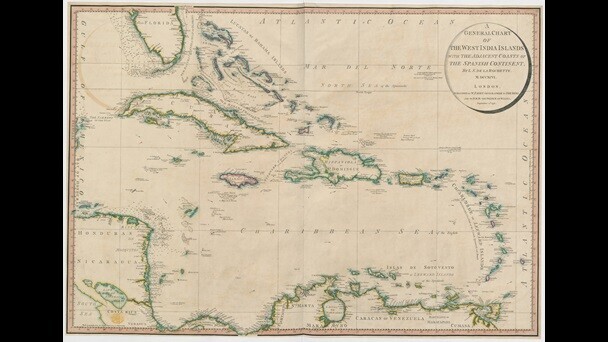
British Caribbean slavery, cornerstone of the British empire, was characterized by extreme & brutal exploitation. It yielded substantial wealth for a privileged few and the British government, but inflicted immense suffering on the majority of enslaved individuals, making them the most overworked & harshly treated people in the eighteenth-century Atlantic world. This history had enduring consequences.

1/

@[email protected] @BlackMastodon #BlackMastodon #Histodons #History #StillWeRise #slavery
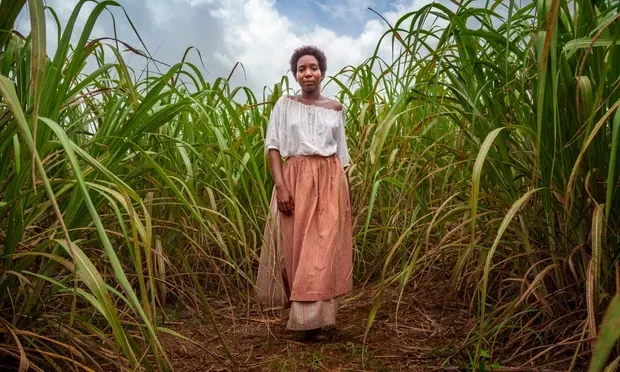
During the 17th and 18th centuries, a diverse group of individuals, including planters, merchants from the West Indies, Africa, and Britain, as well as ordinary white workers in the West Indies and Britain, heavily invested in the success of English-established plantation societies in the Caribbean.

2/

#BlackMastodon #Histodons #History #StillWeRise #slavery
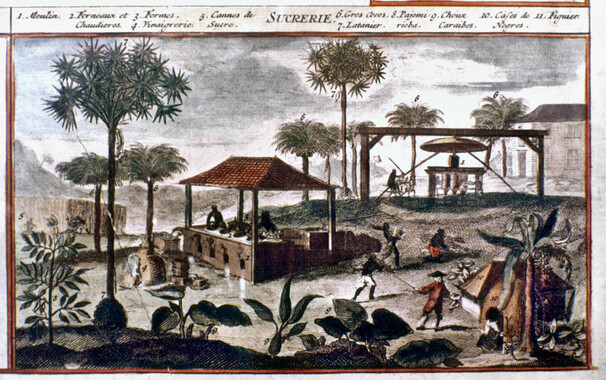
Slavery played a central role in making the lands of the Western Hemisphere valuable contributors to the global economy and sought-after markets. Throughout these centuries, the dominant forces moving across the Atlantic were predominantly slaves, their labor output, the resources required by slave societies, as well as the goods and services purchased with the profits from slave-produced goods.

3/

#BlackMastodon #Histodons #History #StillWeRise #slavery
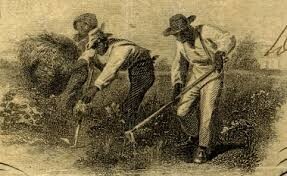
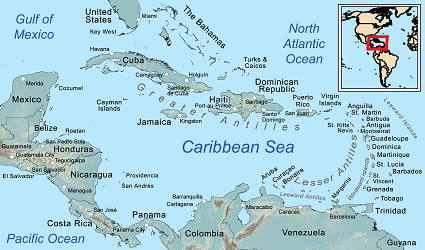
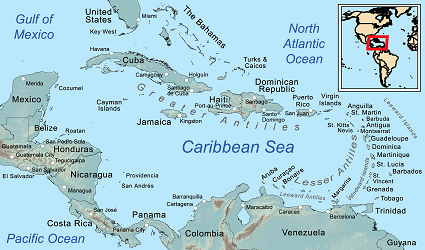
The plantation system in the eighteenth-century British Caribbean was notorious for its brutality, even in an era accustomed to such cruelty. Inhabitants of plantation societies like Jamaica, Barbados, Antigua, and Grenada endured wretched and abbreviated lives.

4/

#Histodons #History #BlackHistory #Politics #StillWeRise
#Slavery

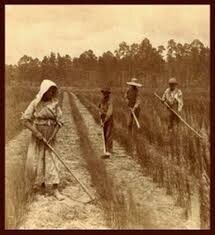
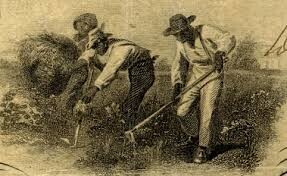
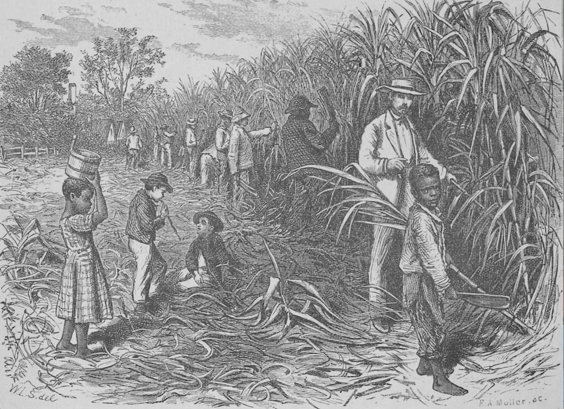
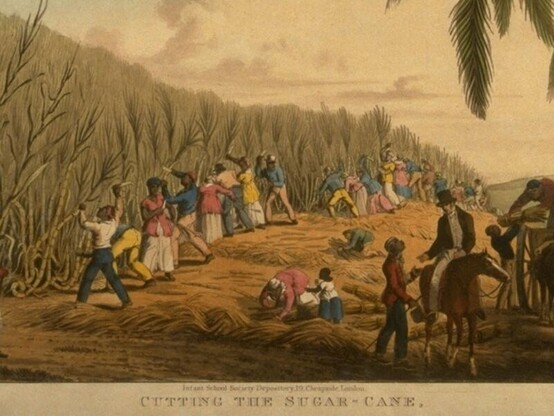
Working in the grueling sugar plantations, they toiled harder than any other group during the period, yet received minimal rewards in return. While plantation owners amassed immense wealth, the enslaved individuals endured abysmal living conditions, facing starvation, brutalization, and traumatic experiences.

5/

#Histodons #History #BlackHistory #Politics #StillWeRise
#Slavery

Men were frequently and severely whipped for minor offenses, while women suffered sexual abuse at the hands of white managers. Violence served as the foundation of the British West Indian plantation system, with enslaved people subjected to daily horrors. This violence was prevalent throughout, but especially pronounced during the system's early stages or in frontier regions.

6/

#Histodons #History #BlackHistory #Politics #StillWeRise
#Slavery

The peak of violence occurred when the establishment of plantations was exceptionally arduous, the ratio of white managers to enslaved laborers—many of whom were directly brought from Africa—was low, and there were minimal constraints on the behavior of plantation owners enforced by the state.

7/

#Histodons #History #BlackHistory #Politics #StillWeRise
#Slavery

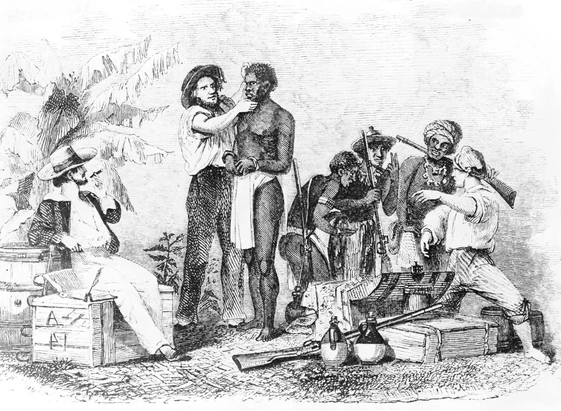
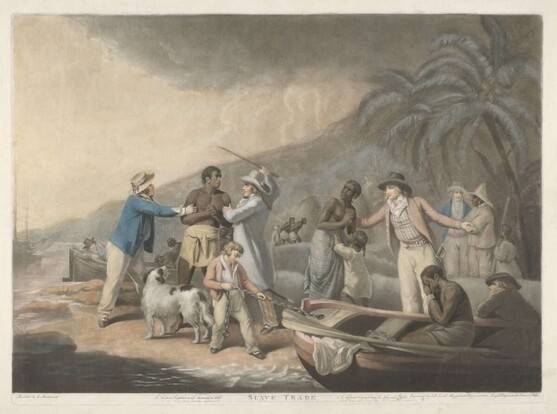
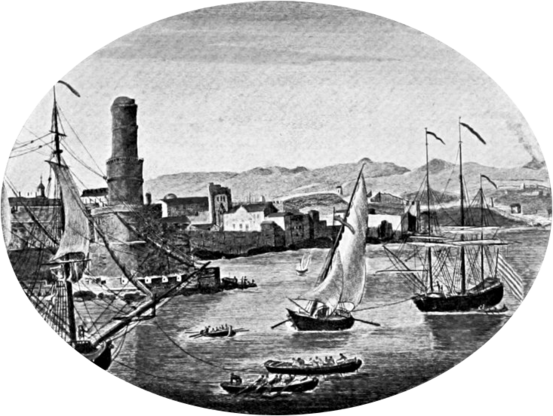
The ordeal endured by captives did not cease upon arrival in the Caribbean. The process of transforming captives into slaves involved dehumanizing sales procedures. As ships approached the port, captives were prepared for sale, groomed and polished to fetch the highest prices.

8/

#BlackMastodon #Histodons #History #StillWeRise #slavery
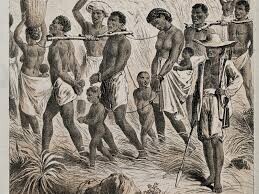
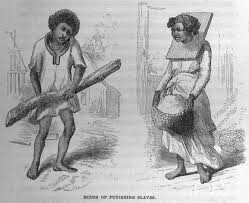
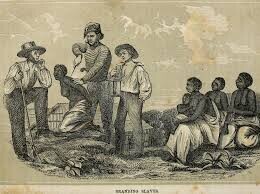
Plantation owners and overseers used brutal methods to exert control over the enslaved population and extract labor from them. Physical punishment such as whipping, branding, and mutilation were commonly used as disciplinary measures, aiming to break the spirit and will of the enslaved individuals, reducing them to mere property without basic human rights.

9/

#Histodons #History #BlackHistory #Politics #StillWeRise
#Slavery

Sexual violence against enslaved women was rampant, with owners and overseers exploiting their positions of power to engage in rape and abuse, shielded by a climate of impunity.

10/

#Histodons #History #BlackHistory #Politics #StillWeRise
#Slavery

The plantation system perpetuated the separation of families, with children and spouses forcibly sold to different plantations, perpetuating a cycle of anguish and despair. The enslaved population lived under constant surveillance, with overseers and slave drivers strictly enforcing rules and regulations.

11/

#Histodons #History #BlackHistory #Politics #StillWeRise
#Slavery

Any form of resistance or rebellion was met with severe punishment, including torture and execution. This pervasive culture of fear aimed to suppress any aspirations of freedom or equality among the enslaved population.

12/

#Histodons #History #BlackHistory #Politics #StillWeRise
#Slavery

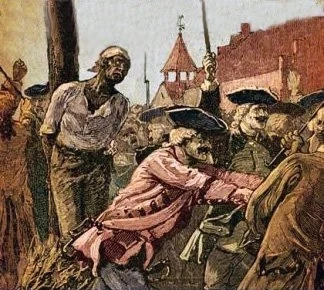
Enslaved individuals faced relentless brutality from white oppressors who responded with extreme ferocity to any act of defiance. To maintain control and discipline, a range of violent & intimidating methods were employed, such as the use of whips, stocks, and iron collars. These punishments were often carried out publicly, serving as a chilling spectacle intended to instill fear in others & deter any notions of resistance or rebellion.

13/

#Histodons #History #Politics #StillWeRise
#Slavery

While it is easy to emphasize the individual sadistic nature of master-slave relationships, the violence within the plantation system had both psychological and strategic dimensions. The violence was not solely an outcome of individual sadists or the consequence of unchecked tyranny, but rather a structural feature that aimed to maintain control over the enslaved population.

14/

#Histodons #History #BlackHistory #Politics #StillWeRise
#Slavery

Historians often assert that the treatment of the enslaved in the Caribbean was unparalleled in its severity. Nowhere else were slaves subjected to such complete vulnerability and the arbitrary whims of their masters.

15/

#Histodons #History #BlackHistory #Politics #StillWeRise
#Slavery

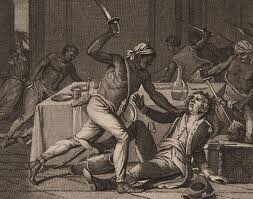
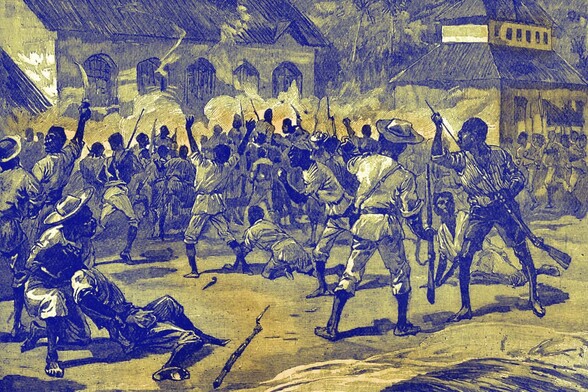
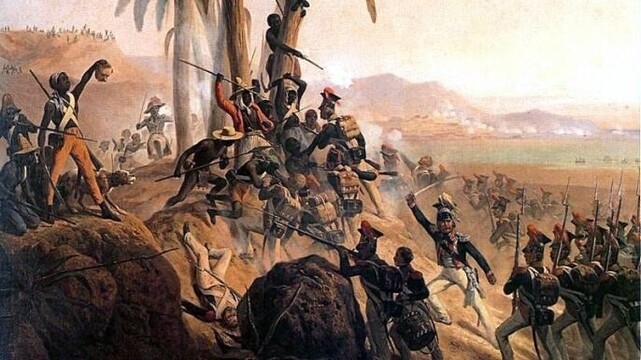
The violence inherent in the plantation system, coupled with the constant tension akin to warfare that permeated their lives, occasionally erupted into violent and brutally suppressed slave revolts, serving as stark manifestations of the deep-rooted tensions.

16/

#Histodons #History #BlackHistory #Politics #StillWeRise
#Slavery

One notable example of the horrors endured by the enslaved was the mid-18th century Jamaica, a land of prodigious wealth that became an inferno for those in bondage. In 1760, the island was engulfed in a massive slave revolt known as Tacky's revolt, masterminded by an African-born slave named Wager or Apongo, with Tacky serving as his lieutenant.

17/

#Histodons #History #BlackHistory #Politics #StillWeRise
#Slavery

The rebellion aimed to eradicate white presence from the island and establish an African principality. Taking place during the Seven Years' War, the rebels may have seen it as a vulnerable time for the imperial system. However, the British regulars joined forces with the Maroons to quell the revolt, employing extreme force and difficulty.

18/

#Histodons #History #BlackHistory #Politics #StillWeRise
#Slavery

This island-wide conspiracy dealt a devastating blow to the Jamaican slave system, resulting in £100,000 in damages and the loss of numerous lives. Approximately 60 whites, 60 free people of color, and 500 slaves were killed in battle or executed in gruesome ways.

19/

#Histodons #History #BlackHistory #Politics #StillWeRise
#Slavery

The rebellion shook Jamaican white society to its core, while the excessive punishments that followed shocked Britons, prompting disbelief that their own people could be so barbaric. This revolt may have also spurred on the burgeoning abolitionist movement.

20/

#Histodons #History #BlackHistory #Politics #StillWeRise
#Slavery

To prevent similar rebellion, implementation of strict slave codes by the colonies further solidified the oppressive control over the enslaved population. These laws imposed severe restrictions on their movement, prohibited literacy, and stripped them of basic legal rights and protections. The slave codes also included provisions that justified harsh punishments for slaves who exhibited defiance or disobedience.

21/

#Histodons #History #BlackHistory #Politics #StillWeRise
#Slavery

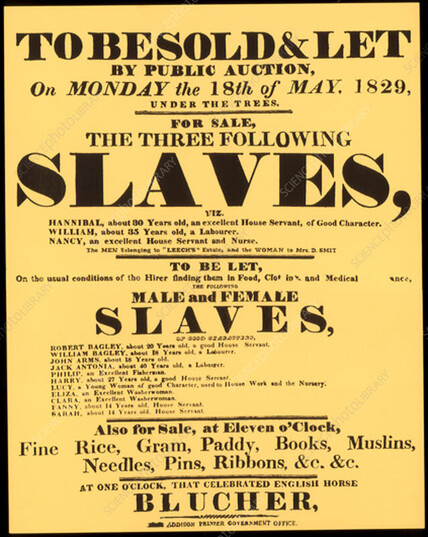
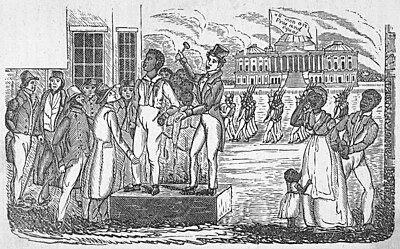
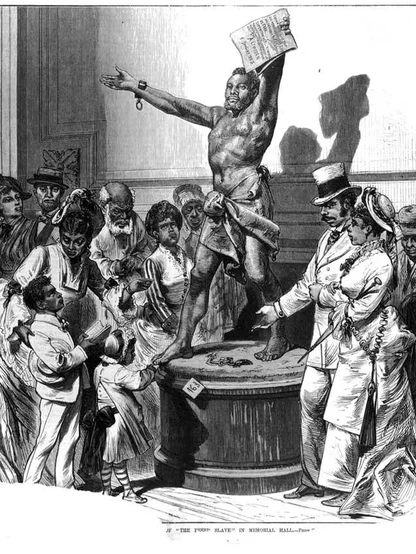
Another method employed to crush the spirit of restless slaves was through violent slave auctions. These auctions were characterized by brutality and dehumanization, where families were forcibly torn apart and individuals were objectified and evaluated like commodities. The experience of being subjected to an auction, coupled with the constant fear of being separated from loved ones, inflicted lasting trauma and profound degradation.

22/

#Histodons #History #BlackHistory #Politics
#Slavery

Enslaved people were often sold through a variety of methods. Occasionally, chaotic scenes known as "scrambles" ensued, where buyers fiercely competed to seize desired captives. More commonly, however, enslaved individuals were sold to merchants and then auctioned off in smaller groups or as individuals.

23/

#Histodons #History #BlackHistory #Politics #StillWeRise
#Slavery

This practice of sorting often resulted in enslaved people being sold in mixed ethnicities or as individuals, eroding their ethnic identities on the plantations. Planters often favored enslaved people from the Gold Coast, known as the Koromantee.

24/

#Histodons #History #BlackHistory #Politics #StillWeRise
#Slavery

Enslavers were able to inflict such severe mistreatment upon the enslaved because they regarded them as something less than human. Africans were consistently subjected to dehumanizing comparisons, portraying them as bestial and lacking full humanity. While Europeans recognized their common origin with Africans in God's creation, they considered Africans to be inferior forms of humans, perpetuating their subjugation.

25/

#Histodons #History #BlackHistory #Politics #StillWeRise
#Slavery

Escaping slavery in the eighteenth-century British Caribbean was an arduous endeavor with limited avenues for freedom. Enslaved individuals had three main options: attempting to run away, seeking manumission through legal means, or participating in slave rebellions.

26/

#Histodons #History #BlackHistory #Politics #StillWeRise
#Slavery

Running away and evading detection on the islands posed significant challenges. Nevertheless, some enslaved individuals managed to escape plantations and establish independent communities known as Maroon communities. These communities often thrived in remote and inaccessible areas, prompting plantation owners to engage in concerted efforts to suppress them.

27/

#Histodons #History #BlackHistory #Politics #StillWeRise
#Slavery

The clashes between Maroons and colonial authorities frequently escalated into violent conflicts, leading to brutal reprisals. In certain cases, Maroon leaders negotiated agreements with colonial governments to secure autonomy and prevent future runaway attempts.

28/

#Histodons #History #BlackHistory #Politics #StillWeRise
#Slavery

Manumission, the legal process of granting freedom, presented another avenue for escape. However, unlike their Spanish and Portuguese counterparts, the British were hesitant to embrace manumission. They were reluctant to establish an intermediate social group between free white individuals and enslaved black people, limiting opportunities for legally obtaining freedom.

29/

#Histodons #History #BlackHistory #Politics #StillWeRise
#Slavery

As mentioned before in Jamaica, slave rebellions served as the final, yet perilous, means of seeking liberation. The harsh conditions experienced on plantations occasionally ignited uprisings and revolts. One notable instance was the 1816 Barbados Slave Revolt, where thousands of enslaved people protested against their brutal treatment and demanded freedom.

30/

#Histodons #History #BlackHistory #Politics #StillWeRise
#Slavery

However, these uprisings were met with severe force, resulting in widespread casualties and brutal retaliation from plantation owners and colonial authorities.

31/

#Histodons #History #BlackHistory #Politics #StillWeRise
#Slavery

Although successful slave rebellions were rare in the eighteenth-century British Caribbean, the desire for freedom persisted. While many recorded conspiracies were foiled or never came to fruition, some rebellions did occur. A notable example is the Grenada rebellion led by Julien Fedon in 1795.

32/

#Histodons #History #BlackHistory #Politics #StillWeRise
#Slavery

The Grenada revolt, influenced by the winds of change brought about by the Haitian Revolution, resulted in prolonged warfare, devastation to the Grenadian economy, and the loss of numerous lives, predominantly among the enslaved population. These rebellions demonstrated that enslaved individuals were not always resigned to their plight and would seize opportunities to fight for freedom.

33/

#Histodons #History #BlackHistory #Politics #StillWeRise
#Slavery

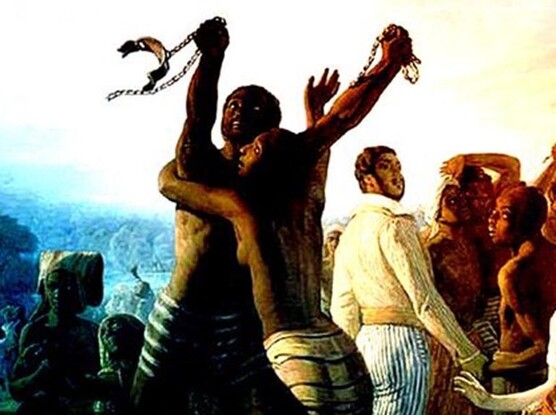
While immediate emancipation was not achieved in the eighteenth century, the signs of weakness within the seemingly invincible plantation system began to emerge. The possibility of escaping the plantation's grip and attaining freedom became a contemplation for some enslaved individuals.

34/

#Histodons #History #BlackHistory #Politics #StillWeRise
#Slavery

Ultimately, it took another generation for emancipation to occur in the British Caribbean, but the fact that it transpired at all reveals the growing cracks in the plantation system and the determination of the enslaved population to seek a life beyond bondage.

35/

#Histodons #History #BlackHistory #Politics #StillWeRise
#Slavery

The nineteenth century brought about the realization of the seemingly impossible dream of freedom through the process of emancipation. This pivotal moment coincided with the decline of the plantation system, and the British Caribbean gradually lost its position as the center of global attention.

36/

#Histodons #History #BlackHistory #Politics #StillWeRise
#Slavery

The wealth derived from sugar had once granted white planters immense power, while the exploited and resentful enslaved population endured relentless coercion. However, the tides began to shift as the abolitionist movement gained traction, shining a light on the brutality and violence inherent in plantation life.

37/

#Histodons #History #BlackHistory #Politics #StillWeRise
#Slavery

The end of British slaving in the Caribbean, came because of multifaceted reasons:

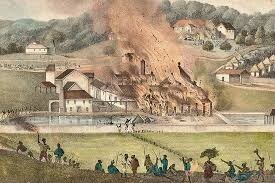
First, the enslaved, determined to undermine the oppressive plantation system, engaged in various acts of resistance & sabotage. Arson, crop destruction, theft, & covert acts of defiance became common tactics to subvert the system. These acts were executed covertly to avoid detection & brutal punishments that awaited those who were caught.

38/

#Histodons #History #BlackHistory #Politics #StillWeRise
#Slavery

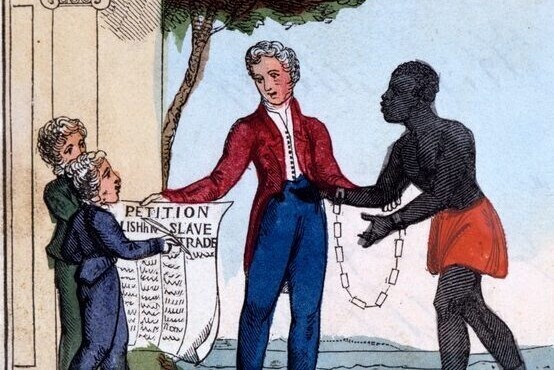
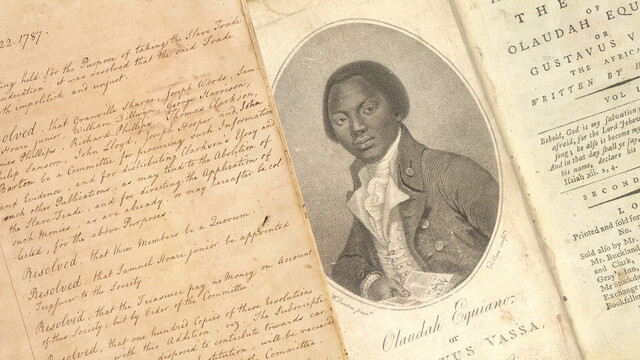
Second, increasing awareness of the harsh realities endured by the enslaved population propelled the abolitionist cause forward. Influential figures such as William Wilberforce and Olaudah Equiano emerged as prominent voices, vehemently speaking out against the violence and advocating for the abolition of the slave trade and slavery itself.

39/

#Histodons #History #BlackHistory #Politics #StillWeRise
#Slavery

Third, these efforts, combined with a growing public sentiment against slavery, ultimately led to the abolition of slavery within the British Empire during the nineteenth century.

40/

#Histodons #History #BlackHistory #Politics #StillWeRise
#Slavery

The eighteenth-century British Caribbean plantation system possessed a dual nature, serving as both an astonishing generator of wealth and a monstrous creation. While it catered to Europe's craving for sugar, it imposed an oppressive and malignant institution upon the workers entangled within it.

41/

#Histodons #History #BlackHistory #Politics #StillWeRise
#Slavery

Despite seemingly enhancing the material conditions of Europeans residing in Europe and bestowing a sense of imperial grandeur upon the islands, these benefits came at the expense of the majority of the island's inhabitants.

42/

#Histodons #History #BlackHistory #Politics #StillWeRise
#Slavery

The pervasive violence and inherent contradictions of the plantation system left lasting consequences on the British Caribbean's inhabitants, particularly the descendants of the enslaved. These enduring effects are evident in the ongoing impoverishment of the region's people and the deep-seated trauma inflicted by the institution of slavery.

43/

#Histodons #History #BlackHistory #Politics #StillWeRise
#Slavery

British Library

Books

—Brown, Vincent. Tacky’s Revolt: The Story of an Atlantic Slave War. Cambridge, MA: Harvard University Press, 2020.

— Equiano, Olaudah. The Interesting Narrative of the Life of Olaudah Equaino, or Gustavus Vassa, the African, 1789..

— James, C.L.R. The Black Jacobins: Toussaint L’Ouverture and the San Domingo Revolution. New York: Vintage Books, 1963.

— Tannenbaum, Frank. Slave and Citizen: The Negro in the Americas. New York: Vintage, 1946.

45/

#Histodons #History
#Slavery #books

@Deglassco clr james is a hero. & wiki etc are just "he was a cricket commentator"
@Deglassco Thanks for the detailed thread of information. One fact that surprised me was that the British government paid all the enslavers for their “loss” of “property” when the emancipation took effect. Nothing for the former enslaved people.
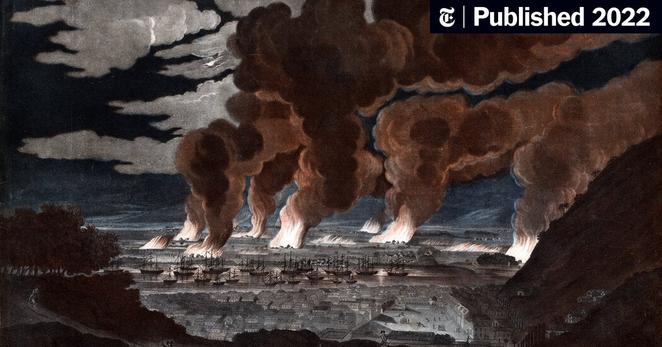
The Root of Haiti’s Misery: Reparations to Enslavers

In 1791, enslaved Haitians ousted the French and founded a nation. But France made generations of Haitians pay for their freedom. How much it cost them was a mystery, until now.

The New York Times
@sgnj151 @Deglassco Yes, the story of Haiti is another sad situation where France did everything they could to make their ex-colony an extremely poor and powerless country to dissuade any other colonies from rebellion. Other countries, including the USA, helped to keep Haiti down for similar reasons to keep enslaved people from having ideas of freedom.

@Deglassco
Another great thread as always. Thanks!

It was really interesting to hear Vincent Brown on the Empire podcast talk about the global state of affairs and their inter-related natures at the time of Tacky's Revolt. Connecting various different histories.

https://www.listennotes.com/podcasts/empire/tackys-revolt-an-atlantic-DXvrmwKIeJ7/

@sgnj151 thank you. I’m going to check it out sometime today.

@Deglassco - I knew that Jamaica, in particular, was the scene of some of the most ferocious slave revolts in the British Empire. It likely propelled the abolitionist movement to eventual success.

During the American Revolution, I believe the British actually offered to emancipate slaves if they were willing to fight for the British.

Although, some of the earliest "indentured servants" in West Indian plantations were Irish chattel slaves too. 💔

@WiseWords sadly, the enslaved to fought for the British didn’t meet such a great fate once they were transported to England. They were left on their own, and then shipped back to colonies in Africa, where most perished from disease.

@Deglassco - 😢 Such is the fate of all oppressed peoples throughout history, it seems unfortunately. 💔

I was shocked to read that in the year after Juneteenth, emancipation in Texas, some 800 formerly enslaved African Americans were lynched in 1865/6. That was more than 2 every day! 😢
Freedom isn't free, but carries a high price usually.

@Deglassco thank you for the work you do!
@Deglassco This is echoed in the response of many nations via a poster that received attention during the recent coronation: "We did not come to Britain. Britain came to us."
@Deglassco People of Religion should know that LAW cannot be isolated from RELIGION.
People of a certain RELIGION means People of certain RELIGION and LAW they practice independent from other REALIGION and LAW.
Therefore People of REALIGIN and LAW should declare their Constitution based on their RELIGION and LAW according to the Protocol:
http://chevalier-des-mots.blogspot.com/2018/01/protocol-for-constitutions.html
Protocol for Constitutions

Protocol for Constitutions 2 Ekim 2011, 08:29 We declare to the world that according to the principle put by this Protocol we ...

@Deglassco In that way they own an independent LEGAL Identity.
@Deglassco the phenomenal Australian podcast "Stuff The British Stole" just had an episode about this same topic - see https://www.cbc.ca/listen/cbc-podcasts/1030-stuff-the-british-stole (really great podcast, the earlier seasons are well worth listening to as well) - this episode is about old rum - and the legacy of the British in the Caribbean.
Stuff The British Stole | CBC Podcasts | CBC Listen

Throughout its reign, the British Empire stole a lot of stuff. Today those objects are housed in genteel institutions across the U.K. and the world. They usually come with polite plaques. This is a series about the not-so-polite history behind those objects. Hosted by Marc Fennell.

CBC Listen
@Rycaut I’ll check it out. Thank you.

@Deglassco I have been following as you have been posting.

What an incredible thread. Thank you so much!

@Deglassco
I am born in the early 60s.
This means when I was born it was less than twice my present age since the American civil war finished.
More amazing is it that the civil rights issues were still in such a poor state in the USA when I was born.
#civilrights #slavery #racism
@Deglassco as I’m learning from Jared Yates Sexton the “empty land” and need for African slavery came through massive death of the native inhabitants of those islands either through force or disease. No natives to work means labour has to come from somewhere.
@Gromit1996 @Deglassco

The thing is: Atrocities and violence and cruelty like these harm the perpetrators as they harm the victims. Both end up deeply hurt and disturbed.

If we want healing, we have to confront ourselves with our history, try to make amends and change our ways.
It would also be a means to fight the Climate Catastrophe, because their roots are the same.

Thank you for this long, painful, yet important thread. 🙏