 mcc
mccComputer just switched off at random, for the second time today. This time, it happened simultaneous with a power flux event (the air conditioner halting).
Maybe I need a UPS. :(
Computer just switched off at random, for the second time today. This time, it happened simultaneous with a power flux event (the air conditioner halting).
Maybe I need a UPS. :(
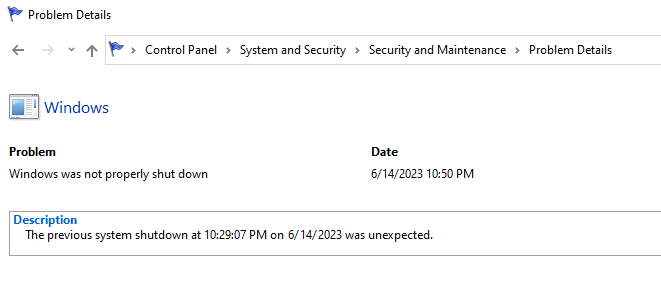
Ha ha heehhhh after several days of no problems my computer just shut off at random while I was sitting at it using it, and then less than five minutes later, did it again. Is there a way to get Windows to tell me, after a restart, why the hell it just restarted
Like I understand it might not know why it shuts down but surely if it restarts there's somewhere a record of why
It's happening now at times it wasn't happening before
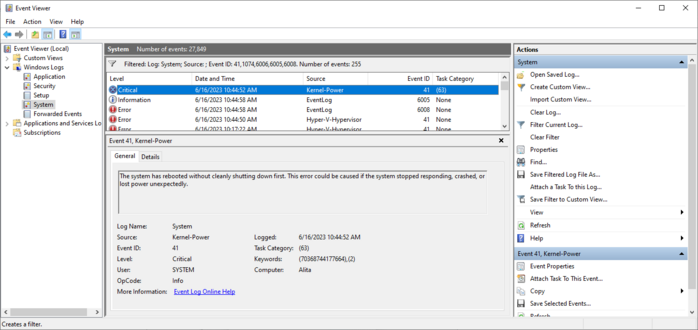
I eventually learned to get the data from the "real" event viewer instead of the fisher price baby and this is all it says.
Two references to "Power". I don't know if that means the problem is with the power, or if that's Windows' way of saying "I don't know?".
I did get a core temp log when the computer died last night. The CPU temperature was not high at all at the moment of the reset.
Every time I buy an Apple computer I eventually have to replace it even though it works and I don't want to replace it, because of planned obsolescence, and every time I buy a non-Apple computer it eventually just breaks
The scariest possible thing that could happen in the next few months is I buy a new mac because Apple forces you to buy a mac to develop for the Vision, then my Windows machine craps out totally and I'm having to use a Macintosh as my daily driver
Okay so everyone has convinced me that probably the problem is my PSU, the computer is power spiking & triggering safeties
My friends who Know Computers say it's important to check review sites like tomshardware or cultist.network & pick a high rated PSU
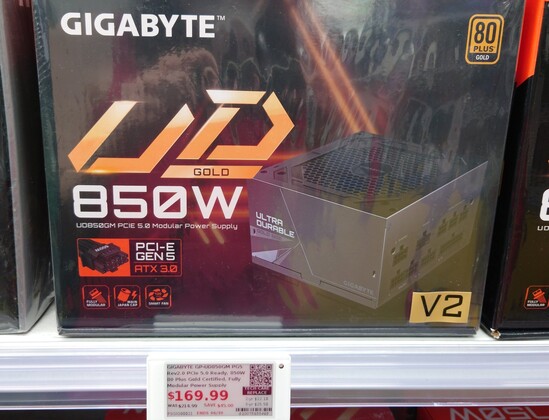
My current is a ThermalTake GF1 750W gold, the store by me only had a Gigabyte for 850W replacements
Trying to decide whether to buy that, go to Amazon & wait, or contact ThermalTake to replace the old one
In the meantime I'm stuck in Linux
Like the ThermalTake has worked fine for just under two years, nothing obviously changed before the problems started except I swapped my SATA drive for a m.2 one on the motherboard, and that was like a week or two before, then boom problems
So maybe the ThermalTake isn't overloaded, just going bad?
Ohgod I have noidea what I am doing
I have extensive notes of which cables were connected before I pulled the old one out, but I have no Gnosis
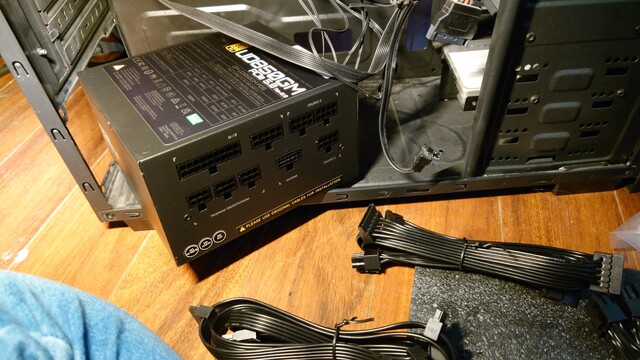
@mcc ONLY USE NEW CABLES
Cabling is per-model. Your old cables, if they fit, will cause components to explode
Here's your checklist:
* 24 pin ATX into motherboard. This is the top two connectors on the back of the power supply. On the motherboard it's usually on an edge far from the CPU
* 8 pin ATX12V into motherboard. This is usually near the CPU. Typically you'll only need one of them, high end motherboards might use two. Connectors at the top right of the PSU
That's everything for the motherboard
Then
*ATX12VHPWR this is the second connector from the right on the bottom row. Only GeForce 4000 series uses this
* PCIe power. This is bottom right and top right (same on the PSU side as ATX12V). Used for graphics cards that aren't geforce 4000. Use as many connectors as you can, ie avoid using daisy chained cables if you have enough sockets to avoid it
* SATA/MOLEX. Three left connectors on the bottom row. Basically anything that isn't covered above will use these connectors. Watercooling, random internal things that want power like fan controllers, etc etc etc
@directhex thank you, having this to compare against will legitimately help.
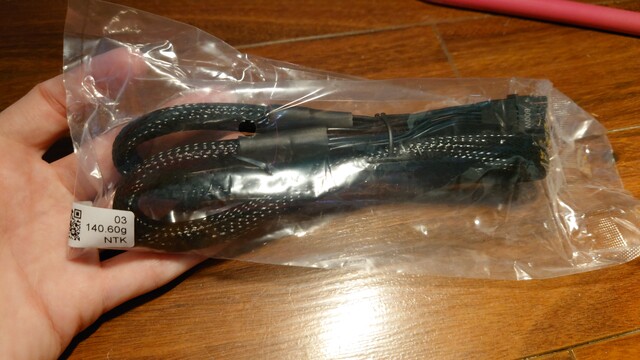
Here is a question. The cables came in two bags. One of them has all the cables except one, and one of them had this cable only. Do you have any idea why they might have done that?
 Jo Shields