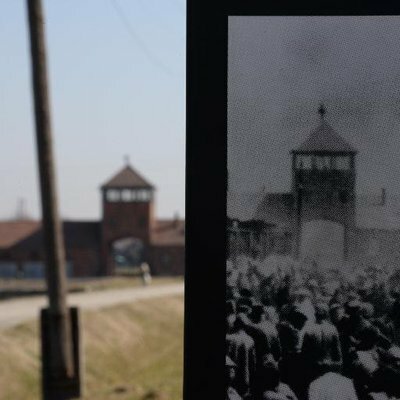
Auschwitz II-Birkenau. Wooden barracks for prisoners at the BIIa sector of the camp.

(📷 https://www.instagram.com/mlnrndrs/)

The sector was established in August 1943. It held prisoners undergoing entry quarantine, which usually lasted three to four weeks.

At first, it held more than 7,000 prisoners, but in the spring of 1944 there were times when this figure fell below one thousand.

#Auschwitz #Birkenau #photography #architecture #BlackAndWhite #Instagram #memorial #museum #barracks #site @museum

Molnár András (@mlnrndrs) • Instagram photos and videos

351 Followers, 337 Following, 1,136 Posts - See Instagram photos and videos from Molnár András (@mlnrndrs)

@museum The horrible conditions in blocks & barracks in all parts of the Auschwitz complex as well as the appalling sanitary conditions contributed to the exhaustion and death of many prisoners.

Listen to our podcast about living & sanitary conditions in the camp. https://anchor.fm/auschwitz-memorial/episodes/On-Auschwitz-10-Living-and-sanitary-conditions-as-well-as-camp-clothing-at-Auschwitz-e18dcik

#Auschwitz #Birkenau #OnAuschwitz #podcast #education #history #memory #NeverForget #Birkenau #conditions #listen

"On Auschwitz" (10): Living and sanitary conditions as well as camp clothing at Auschwitz by On Auschwitz

The horrible living conditions created by the SS authorities in the block and barracks in all parts of the Auschwitz complex as well as the appalling sanitary conditions contributed to the exhaustion and death of many prisoners. The clothing which was completely inadequate for the weather conditions also had negative effect on the condition and health of the prisoners. Dr. Jacek Lachendro of the Auschwitz Memorial Research Center talks about the living and sanitary conditions and types of camp clothing.

Anchor
@auschwitzmuseum @museum my uncle was a medic in the US Army in WWII and established makeshift hospitals in Holland and Germany. He never talked about what he saw but he was a witness to the aftermath when the camps were liberated.
@auschwitzmuseum @museum Is it possible to produce your podcast in other languages, especially in German? May be some institutions, ec Fritz-Bauer-Institute and German Government, will support the production
@auschwitzmuseum @museum most people died in the first weeks - did they then die in this part of the camp?

@funtelope @museum Few things here:

1) Most victims of the Auschwitz camp were murdered in Birkenau, as most of the gas chambers existed there. Majority of Jews deported to Auschwitz were never registered in the camp but killed right after selection.

2) There were several places of the initial quarantine which could last different periods of time

3) It's impossible to say how long the majority of prisoners survived, as the SS destroyed most of the documents, including death certificates.