My #WildflowerMeadow project 1/...

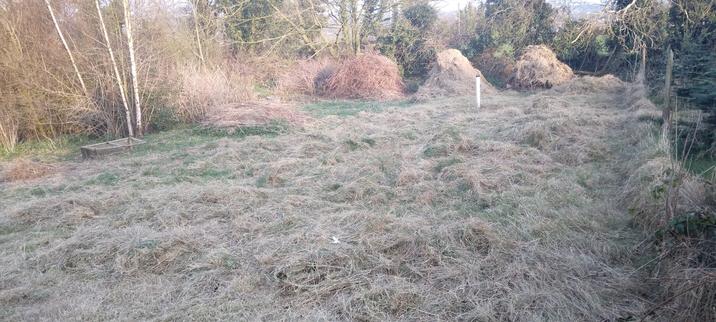
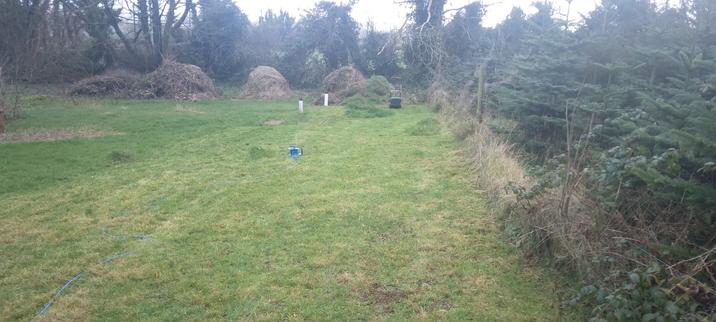
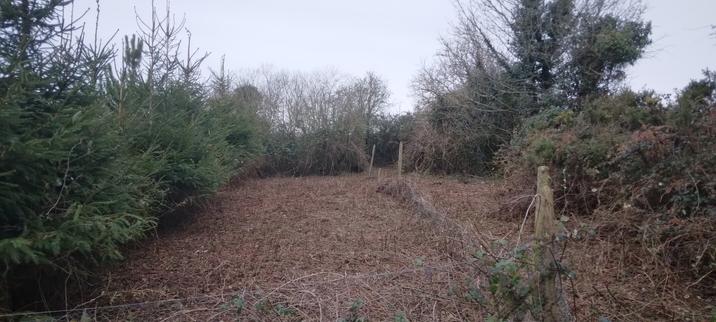
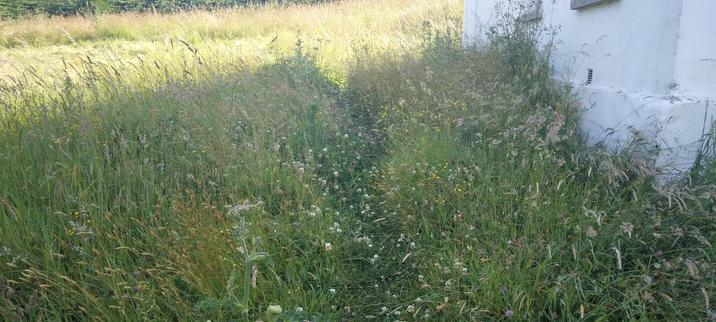
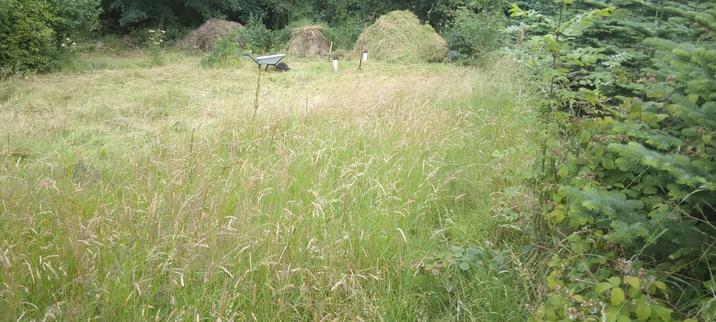
1. Late March 2022, Rank Bulbous False oat #Grassland

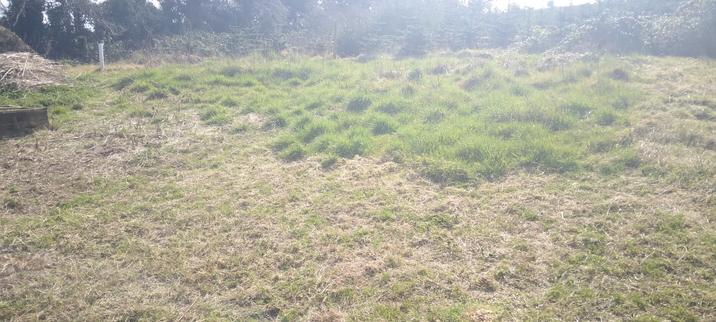
2. Late March, mown with #Scythe, arisings removed & mown again with lawnmower. All cuttings removed

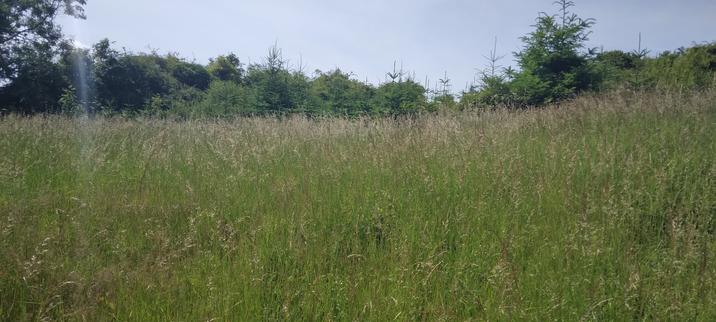
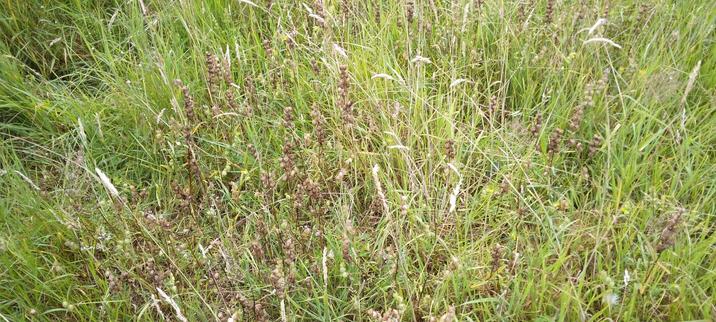
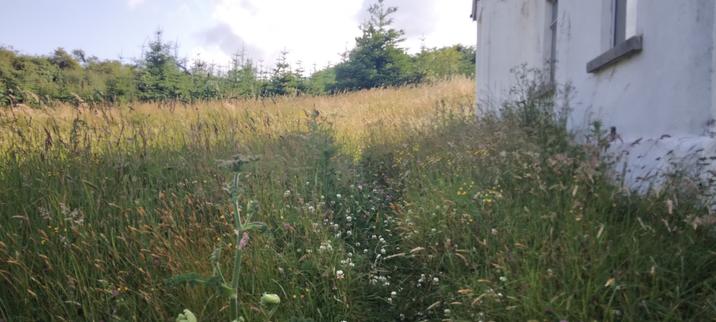
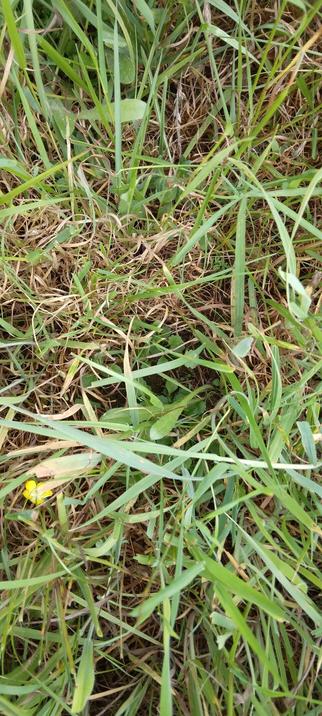
3. Early July. False oat Grassland. Height without dense thatch beneath. Rankness removed.
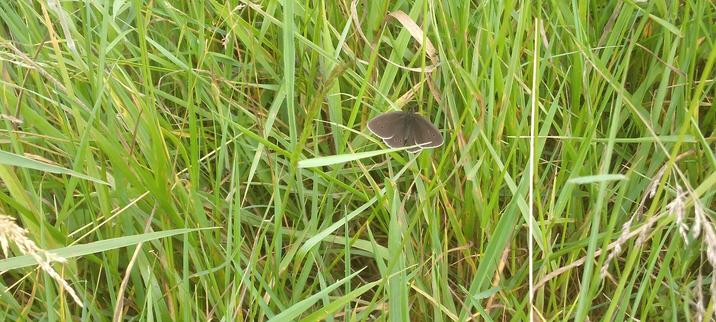
#Ringlet #Butterflies loved it

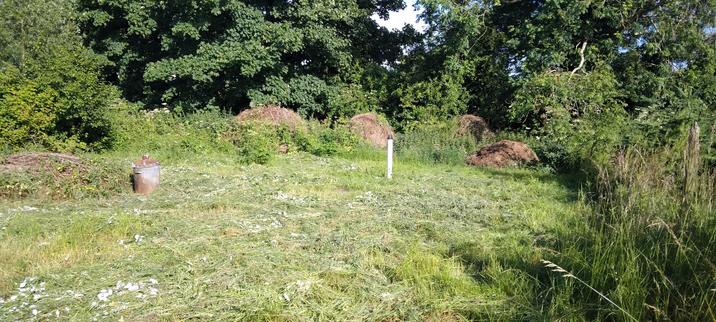
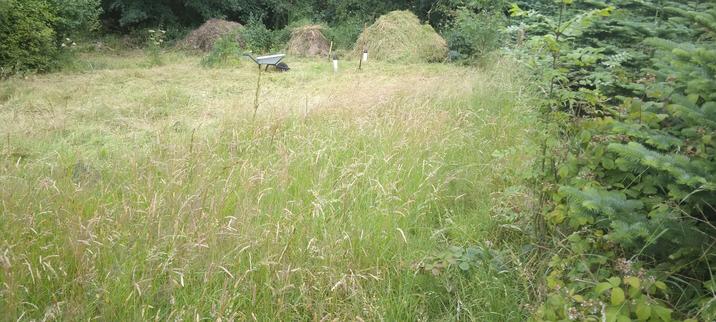
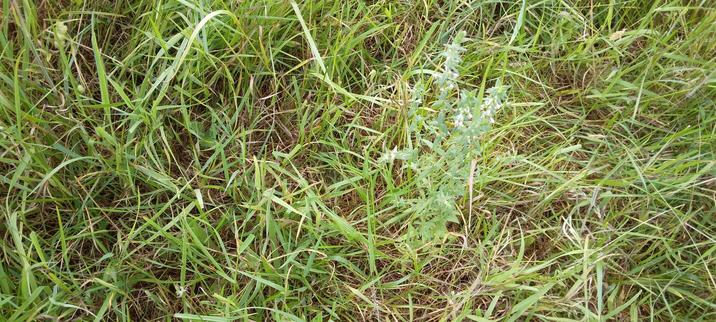
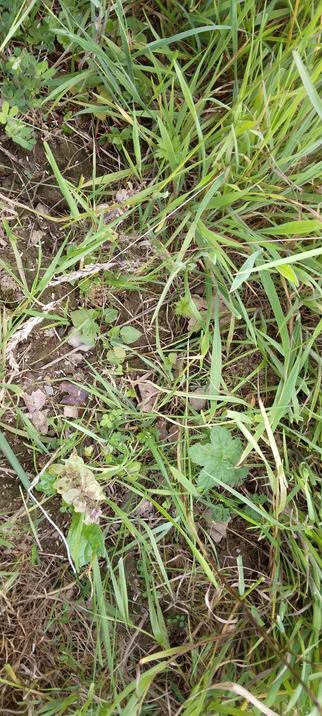
4. Early July. Mown (method as in 2), to reduce grass vigour & soil Nutrients. Sadly this would have affected the ringlets. But the aim long term is to increase #Wildflowers

1 2
3 4
2/...
My #WildflowerMeadow project

Mid Sept September 2022.
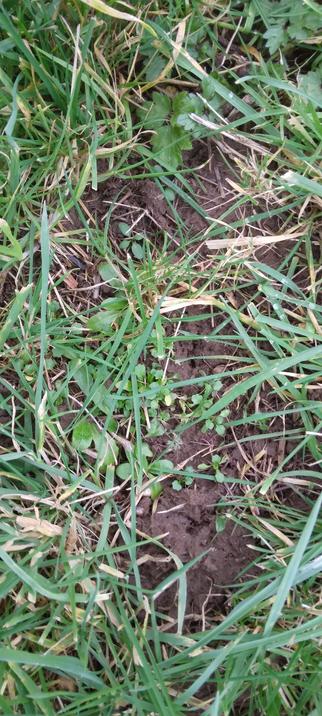
Mown again with lawnmower, 60 m2 area raked hard to gain bare soil and sown with locally collected #wildflower seed.
Slightly acid soils so some acid loving wildflowers sown.

Late October 2022
Some, #Waxcap #Fungi appear.
Nice!

3/...
I'll try to do a full list of what I have sown later.
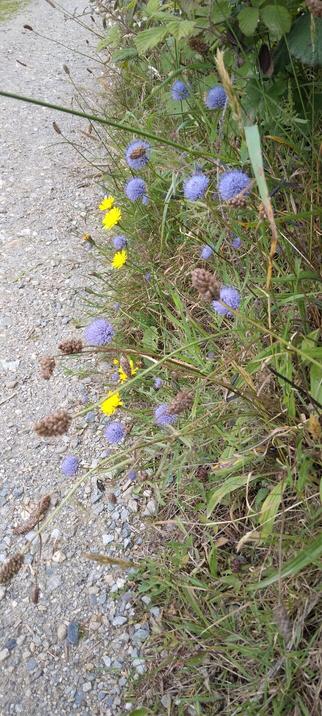
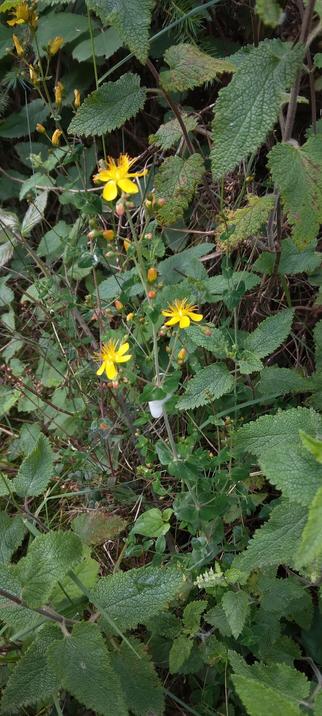
But in the meantime here is #SheepsBit and #StJohnsWort acid loving #wildflowers from the nearby uplands that I collected and sowed.
4/ I took the lawn mower to the #WildflowerMeadow project this week. Trying to let let light to the soil to aid germination of the sowed #wildflower seed over the Spring. Once established I might not have to mow in winter/spring
as much in future years, and will leave areas for #insects
5/ Transplanted white bluebells into meadow from elsewhere in the plot and some normal bluebells too. Hopefully it will boost reproduction. I'm open to a less rigid delineation of habitats and to have some woodland flowers in the meadow.
6/
Some exciting news, #OxeyeDaisy are germinating and maybe some #WildCarrot
7/
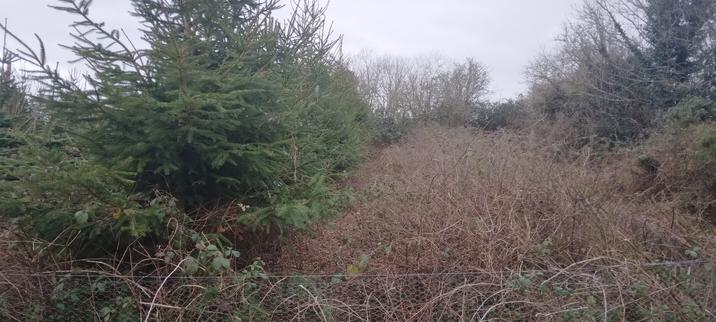
I also took the opportunity to scythe sizeable bramble patch away into 3 large piles. It was formally grassland before trees were planted and through neglect bramble colonised from the hedge. Difficult, head height in places, thick cover of long thin intertwinned bramble stems. Maybe 5 Old bird nests in 80 m2.

8/ So What Flowered?
Not a boon of wildflowers. Sparse. Dissappointing but shouldn't be surprising. But germination has promise for next year.

Hay rattle was by far the most successful showy flowering plant.

Wild Carrot is beginning to flower as is red bastia.

Spring Transplants flowered as will transplanted devils bit scabious.

Already in situ Common vetch and lesser stitchwort showed up.

9/ Funny the best diversity was at access to house, where I wouldn't want it as it needs to be used for car and safe egress access.
Lovely mix of red clover, hawkweed, white clover, nipple wort, hogweed, ragwort. In spring, field woodrush, barren strawberry, primrose, ground ivy, crocus, dandelion,
Now pink centaury and yellow St John's wort.
10/ Back to project area...
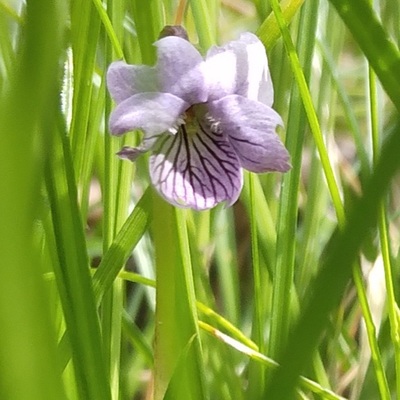
Hope you can see the germinated plants in the grass of rosettes of cats ear/autumn hawkbit/ hawkweed... maybe some of them might flower later this year. Also some oxeye daisy, self heal for next year. Transplanted dogs violet yellow pimpernel and bugle came with some germinating birds foot trefoil. Maybe other nice things I can't find. Ringlet butterfly likes the tall grass!
11 I decided to cut patches early this year late june as grass had gone to seed was lodging especially Yorkshire fog that has had a return to dominance from the cutting of nettles and Bulbous false oat grass. The latter flowered later is more robust against rain and wind. I also topped the 'most' diverse area to take seed away, give light to developing rosettes. This keeps butterflies in situ for longer. More flowers might come in the diverse area in next months but expect they will be sparse.

@AgrimonySpikes Really interesting to hear what you've been doing. Be fascinating to see what happens next year.

2 years ago we scythed part of the field we manage that was dominated by False Oat Grass. After scything we sowed with Rattle, Tufted Vetch, Meadow Crane's-bill and Common Knapweed. All but the vetch did well, and despite no mowing in the second year, the Rattle came back more strongly and the Knapweed and Crane's-bill flowered well – with False Oat Grass much less vigorous.

@richardev
Thanks, yes I'm excited to see what germinated. I expect not all will flower 1st year.
#YellowRattle & #Sneezewort were two target plants I had to travel to the coast to get. The rest were relatively near. Apart from sowing 2 handfuls of rattle I transplanted 3 #Lousewort plants & sowed #RedBartsia as hemi parasites.
I use forest tracks mostly as come September all earmarked hedge seed source was flailed. Maybe your Tufted vetch will come in time they say sanding vetch seed may help

@AgrimonySpikes Sanding vetch seed does work, yes! Tried an experiment this year with 3 trays T. Vetch. Tray 1, no treatment. Tray 2, sanded lightly. Tray 3, soaked, then sanded. Tray 2 (sanded) by far the best germination.

Also had v. good results with Sneezewort (pic). We're neutral here, so not tried Sheep's-bit, Lousewort etc - be fascinating to see how they do.

@richardev
Nice picture. Is that the hermitage? Will try sanding next year.

Within the false oat grass there was very little flower diversity. Single plant of 1 hawkweed, 5 hogweed, 2 lesser stitchwort patches, 6 -7 plants of common vetch. Nettles, creeping thistle and invasive raspberry canes.

Starting to see creeping buttercup emerging from seedbank Likes disturbed soil. Some don't like it, and prefer meadow buttercup but I'd be glad of it considering the low floral base.

@AgrimonySpikes No, that pic is Miss Whalley's Field, next to our house. Urban Council-owned field surrounded by houses. Lots low fertility areas, lots flowers already in the sward before we started restoration. Very out-of-date web page here with short video I did 2 years ago (before restoration), more butterflies than flowers, but gives you an idea:

https://misswhalleysfield.org.uk/wildlife/

Hermitage field is a bigger project 3 miles away. I'm a trustee and volunteer, rather than leading it.

Wildlife | Friends of Miss Whalley's Field, Lancaster