 Hackaday
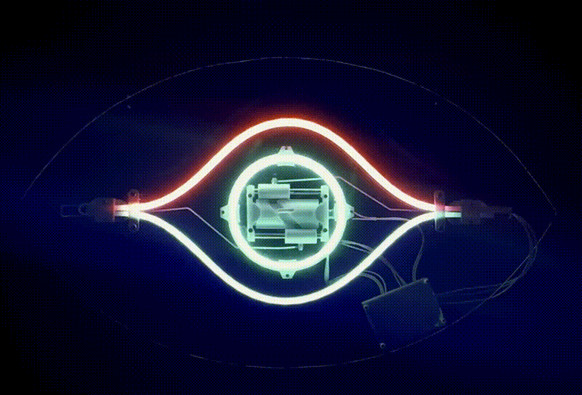
Bending Faux-Neon LEDs Make for Animations Glass Tubes Can’t Match
 Antoine - Software therapist
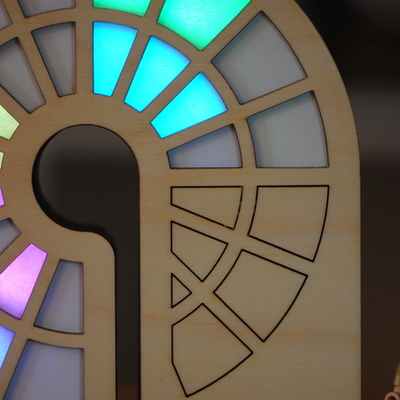
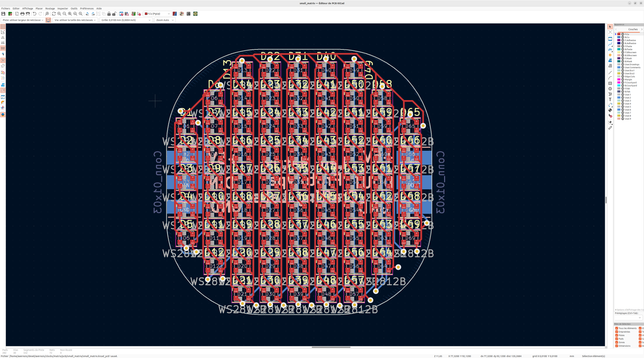
I ended soldering the last pcb with leds from the same batch.
As expected, no more brightness discrepancy. It was worth it \o/
The code will wait :)
#LedMatrix #ws2182b #esp8266 #pcb
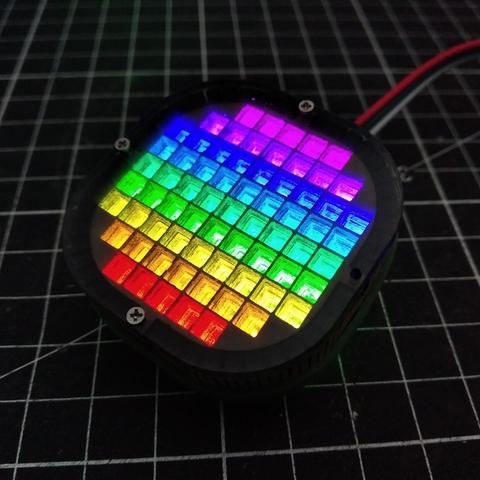
I change the failing led, and some other but I still had some bad 'twinkling'.
I suspected (and hoped) the cause was bad leds as I had salvaged them from the previous prototype, they might have suffered.
So I solder another one with new leds, and no more twinkling. It works just fine!
(there is some brightness difference, but is because there is two kind of chips, the newer are brighter).
I'm really happy with this. I'm going to write some code to display stuff then It'll be time to think about the real version :)
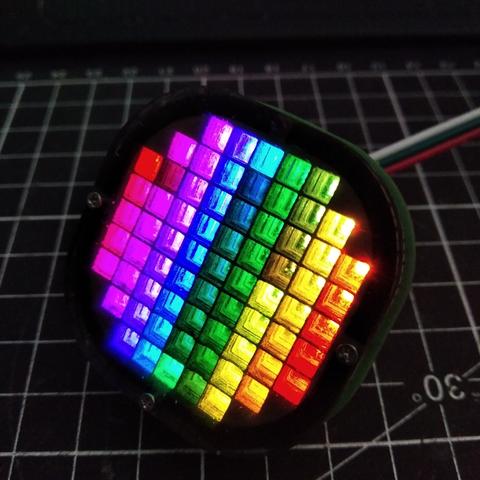
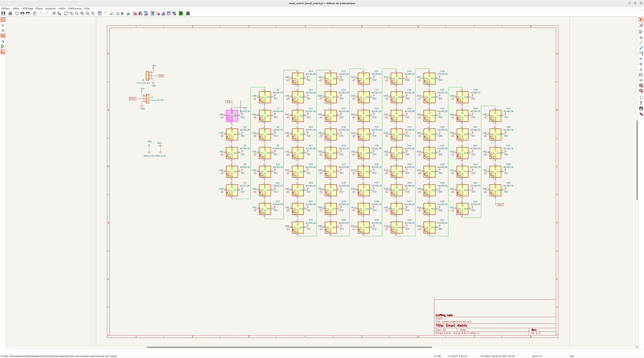
I ended making a smaller version, to lower the cost of a prototype I'm not completely confident I'll be able to build.
Also that version is symmetrical, I like it better :)
Next step in 3 weeks, when it'll come back from the manufacturer :)
 Juan
Juan hackaday unofficial
NeoPill is The NeoPixel Emulator You’ve Always Wanted
NeoPixels and other addressable LED strings are a technology that have made vibrant, glowing LED projects accessible to all. Of course, it's nice to be able to simulate your new glowy project in software before you actually set up your LED strings in practice. [Randy Elwin]'s NeoPill simulator can help with that!
The NeoPill consists of an STM32F103 development board, into which one simply hooks up a NeoPixel data line. The microcontroller then decodes the data using a combination of its onboard timers and SPI hardware. This data is then passed to a PC over the onboard USB serial connection, where it's decoded by a custom Python app. The app takes the data and displays the pixels on screen, so you can verify they operate as expected before you hook up a single real LED.
It's a great tool, one that costs very little and yet does the job well. It can even be used with LEDs in circuit to verify if problems are related to the data output or the hardware itself. [Randy] demonstrates the software working with strings of up to 256 LEDs at once; we'd love to see how far it can be pushed before breaking. Code is available on Github for those keen to get their own NeoPill operational.
It's not the only NeoPixel simulator out there, but it is the first one we've seen that can be used to debug actual signals from real hardware, and that's an incredibly useful thing to have in your toolbelt. Video after the break.
