
Trials That Shape the Heart

Lessons from the Wilderness
A Day in the Life

Good morning, friend. As we settle into this quiet moment together, let’s walk through Deuteronomy 8:2, where Moses reminds the people of Israel: “God led you all the way these forty years in the wilderness, to humble you and test you, to know what was in your heart, whether you would keep His commandments or not.” Imagine standing on the edge of the Promised Land, looking back over those long, dusty years. The wilderness wasn’t a mistake or a detour God overlooked—it was intentional. He led them there on purpose. The hardships, the hunger, the uncertainty—all of it served to reveal what was truly in their hearts and to prepare them for what lay ahead.

I find myself reflecting often on how God uses testing in our own lives in much the same way. When difficulties come—perhaps a prolonged season of waiting, a health struggle, financial strain, or relational pain—it’s easy to wonder why. Yet Scripture shows us that God allows these moments not to harm us but to humble us and uncover the depths of our trust in Him. The Israelites’ initial refusal to enter Canaan exposed a lack of genuine faith; they didn’t truly know God enough to rely on Him fully. So God gave them forty years to walk closely with Him, to experience His daily provision through manna, to learn that “man does not live by bread alone, but by every word that comes from the mouth of the Lord” (Deuteronomy 8:3). Hunger became a classroom where dependence grew into deeper trust. As Henry Blackaby notes in Experiencing God Day by Day, God spent those years testing their hearts to see if they were ready for the next assignment—entering the land and facing battles where obedience would mean victory.

Testing does something remarkable: it reveals what is already in the heart and, when met with faith, builds something stronger. James echoes this truth in the New Testament: “the testing of your faith produces perseverance” (James 1:3), and that perseverance leads to maturity (James 1:4). Trials don’t create faith—they expose and refine it. Think about your own life right now. Is God allowing a particular challenge to linger? Perhaps it’s showing you areas where self-reliance still reigns, or where bitterness has taken root instead of gratitude. I’ve walked through seasons like that myself—times when the path felt barren and answers seemed distant. In those moments, I had to ask myself honestly: Am I growing bitter toward God for where He has led me, or am I learning to trust Him more deeply? The wilderness strips away illusions of control and invites us to lean wholly on His Word as our sustenance.

Jesus Himself entered a wilderness experience right after His baptism. Led by the Spirit into the desert, He faced temptation and hunger, yet responded each time with Scripture: “It is written…” (Matthew 4:4). He modeled perfect trust, living by every word from the Father. In our discipleship, we follow in His steps—not perfectly, but increasingly. When trials test us, they invite us to echo His reliance on God’s promises. The Israelites eventually emerged ready; after forty years of dependence, they listened, believed, and saw God lead them to astonishing victories in the land. Their lives depended on His Word, and it proved to be life and death in the battles ahead.

So today, let’s pause and consider: What is God revealing through the tests in your life? If hardship has exposed impatience, fear, or doubt, bring it to Him openly. If it has deepened your trust, give thanks for the growth. Either way, the goal is preparation—for whatever assignment He has next. God doesn’t waste suffering; He uses it to humble us, to build robust faith, and ultimately to do us good in the end (Deuteronomy 8:16). As John Piper reflects in one of his messages on this passage, the wilderness was meant to make Israel intensely conscious of their total dependence on God, so they wouldn’t forget Him when abundance came.

Friend, wherever you find yourself today—perhaps in a dry season or just emerging from one—know that God is near. He’s shaping your heart through what you’re facing, drawing you closer to Himself. Let the testing produce perseverance in you. Cling to His Word as your daily bread, and watch how trust grows stronger. You’re not alone in this; He’s leading you, just as He led His people long ago.

For more encouragement on trusting God through trials, check out this helpful article from Desiring God: [If God Knows Our Hearts, Why Does He Test Us?](https://www.desiringgod.org/interviews/if-god-knows-our-hearts-why-does-he-test-us).

FEEL FREE TO COMMENT, SUBSCRIBE, AND REPOST, SO OTHERS MAY KNOW


#Deuteronomy82 #faithPerseverance #GodSRefiningProcess #trialsAndTrust #wildernessTesting
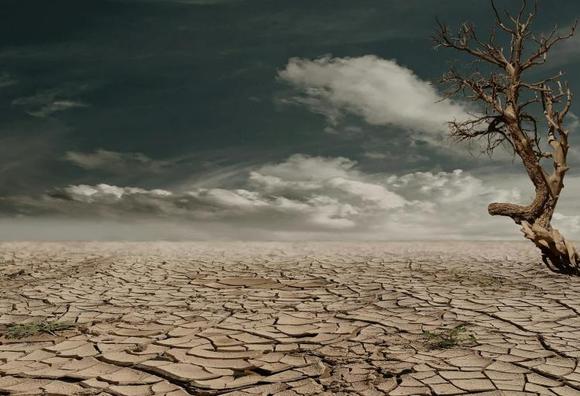
When the Wilderness Reveals the Heart

A Day in the Life

There are moments in the life of faith when God leads His people through places they would never choose on their own. Scripture describes those seasons with striking clarity. Moses reminded Israel, “God led you all the way these forty years in the wilderness, to humble you and test you, to know what was in your heart” (Deuteronomy 8:2). The wilderness was not an accident of geography; it was a classroom of the soul. The Lord used scarcity, uncertainty, and waiting to reveal the true condition of His people’s hearts.

When I read those words, I cannot help but think about the life of Jesus Himself. Before He began His public ministry, the Spirit led Him into the wilderness where He was tempted for forty days (Matthew 4:1–11). That moment echoes Israel’s forty years. Where Israel often failed, Jesus remained faithful. The wilderness exposes what lies within us, but it also prepares us for the next assignment God intends to give.

The Hebrew word used in Deuteronomy for “test” is nasah, which means to prove, examine, or reveal something that already exists. God was not trying to learn something new about Israel; He was revealing to them what was already in their hearts. The people believed they trusted God, yet when they faced hunger, uncertainty, and fear, their faith wavered. Complaints arose. Doubts spread through the camp. The wilderness uncovered the fragile places in their trust.

Yet the testing was not meant to destroy them. Moses explains that God allowed them to hunger so He could provide manna from heaven. Through daily dependence, the people learned a lesson that Jesus would later quote directly: “Man shall not live by bread alone, but by every word that proceeds from the mouth of the LORD” (Deuteronomy 8:3; Matthew 4:4). Bread sustains the body, but the Word of God sustains life itself.

As I reflect on the life of Jesus, I see how He lived with that exact understanding. Every decision, every step, every response flowed from complete trust in His Father. Even when tempted in the wilderness, Jesus answered each challenge with Scripture. His life demonstrated that obedience to God’s Word is not merely a religious duty—it is the path to life.

James echoes this truth centuries later when he writes, “The testing of your faith produces perseverance” (James 1:3). Testing reveals what is in the heart, but it also strengthens what God is forming within us. A faith that has never been challenged is often a faith that has never matured. Hard seasons force us to ask deeper questions. They expose where we rely on ourselves and where we truly trust God.

Many believers wrestle with this reality. When trials appear, we often wonder why God allowed them. Yet the pattern of Scripture shows that the Lord uses testing to prepare His people for what lies ahead. Israel’s wilderness years shaped a generation that would eventually enter the Promised Land with deeper awareness of God’s power and faithfulness. They had seen manna fall from heaven. They had watched water flow from a rock. They had learned that survival itself depended on listening to the voice of God.

The same pattern appears in the life of Jesus’ disciples. Before they became bold witnesses to the resurrection, they walked through seasons of confusion and testing. They misunderstood Jesus’ teachings. They struggled with fear. At the cross, most of them scattered. Yet the experiences they endured prepared them for the mission that followed.

A.W. Tozer once wrote, “It is doubtful whether God can bless a man greatly until He has hurt him deeply.” Tozer was not suggesting that suffering is good in itself, but that God uses difficult seasons to reshape our character and deepen our dependence on Him. Similarly, Charles Spurgeon observed, “Trials teach us what we are; they dig up the soil and let us see what we are made of.” Those words capture the insight of Deuteronomy 8. Testing uncovers the true condition of our faith.

When I ask myself the question posed by this passage—Is God testing me in some area of life?—the answer is almost always yes. Testing does not always come through dramatic trials. Sometimes it appears in quieter forms: waiting longer than expected for an answer to prayer, facing a difficult decision, or walking through a season where God feels silent. These moments reveal whether my faith rests on circumstances or on the character of God.

One of the dangers in testing seasons is bitterness. When life becomes difficult, it is easy to assume God has abandoned us or forgotten our needs. Israel often fell into this trap, questioning God’s care despite the miracles they had witnessed. Yet the wilderness story reminds us that God was leading them every step of the way. Even their wandering was under His guidance.

The same truth appears in the life of Jesus. The Spirit led Him into the wilderness. The hardship did not mean God was absent; it meant God was working. Testing can become a turning point in our spiritual lives when it leads us toward deeper trust rather than resentment.

Over time, Israel learned that God’s Word was life itself. After forty years of dependence in the desert, they finally understood that obedience to God determined victory or defeat. When they entered the Promised Land, they listened more carefully to the Lord’s direction. Their survival depended on it.

This lesson still shapes the Christian life today. Every test invites us to trust God’s Word more deeply than before. When circumstances feel uncertain, Scripture becomes an anchor for the soul. The promises of God remind us that He is faithful even when we cannot yet see the outcome.

If you find yourself walking through a wilderness season today, remember that testing does not mean abandonment. It may be the very place where God is strengthening your faith. The wilderness reveals the heart, but it also prepares the believer for the future God is shaping.

For further reflection on how God uses trials to strengthen faith, see this helpful article from Desiring God:
https://www.desiringgod.org/articles/how-god-uses-trials-for-our-good

FEEL FREE TO COMMENT, SUBSCRIBE, AND REPOST, SO OTHERS MAY KNOW


#Deuteronomy82Devotion #faithThroughTrials #spiritualGrowth #trustingGodSWord #wildernessTesting