 Editor
Vet bill crackdown: New rules promise cheaper care for millions of pet owners
Pet owners across the UK could soon see cheaper vet bills and clearer pricing after watchdogs unveiled a major shake-up of the industry.
The Competition and Markets Authority has announced sweeping reforms following a blockbuster investigation — finding many pet owners have been left “in the dark” over costs while facing bills running into the thousands.
Now, a raft of legally binding changes is set to come into force — with some rolling out as early as this year.
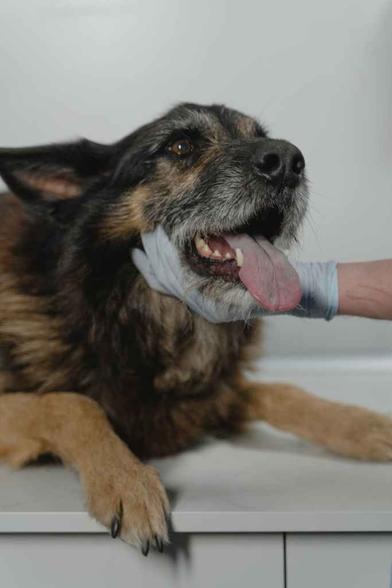
A Rough Collie undergoes a check-up on a veterinary diagnostic table as new reforms aim to improve transparency and pricing for pet owners.(Photo by Tima Miroshnichenko on Pexels.com)
Price lists, caps and comparisons
Under the new rules, vets will be forced to publish clear price lists for common treatments — something fewer than 40% currently do.
For the first time, pet owners will also be able to compare prices online through a central service run by the Royal College of Veterinary Surgeons.
And in a move set to save households hundreds, fees for written prescriptions — often needed to buy cheaper medication online — will be capped at £21.
‘Thousands of pounds’ shock
The crackdown comes after widespread complaints from pet owners who say they were hit with unexpected bills and given little information beforehand.
Under the new system:
- Anyone facing treatment costing £500 or more must be given a written estimate upfront
- Practices must provide itemised bills
- Owners must be told they can shop around for medication
The CMA says these changes will help families make informed choices — and drive down prices through competition.
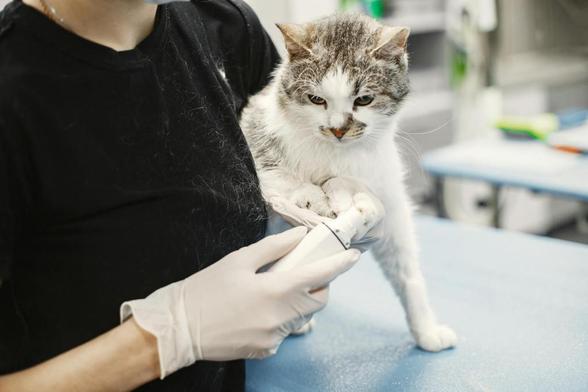
A Domestic cat is gently examined by a vet during a routine check-up, as new rules aim to give pet owners clearer pricing and better information about care.(Photo by Gustavo Fring on Pexels.com)
Hidden ownership exposed
Another major change will force vet practices to clearly display who owns them.
Research found less than half of customers realised their local vet was part of a large corporate chain — something critics say has reduced competition and pushed prices up.
Cremation and care costs in spotlight
Even sensitive services like pet cremations are being targeted.
Owners will now be given clear, upfront pricing — including cheaper communal options — after evidence some were paying around £100 more than necessary.
Tougher oversight on the way
The CMA is also backing plans to overhaul outdated laws — with new rules expected to make entire veterinary businesses accountable, not just individual vets.
The government says the reforms will help families “save money and make informed decisions” about their pets’ care.
RSPCA welcomes CMA report
Rebecca Ashman, Head Vet – Operations, Partnerships and Prevention at the RSPCA welcomes the CMA’s move.
“We know costs are a real concern for pet owners – and our Animal Kindness Index found more than half (52%) are worried about how to afford vet bills.
“That’s why clearer pricing is such an important step forward – bringing greater transparency to the sector, and helping current and future pet owners understand the potential financial implications of responsible pet ownership.
“We’d urge any pet owner struggling to seek advice as soon as possible.”
Kerry Willecome, pet expert at pet insurance brand Petgevity, added that with many pets now living longer, the financial burden on owners is adding up just for ensuring their pet lives a healthy life:
”For owners of senior pets and those with long-term medical conditions, medicine and treatment can be an ongoing part of their life with the cost soon racking up. With many pets living for well over a decade, owners simply ensuring their pet can live out a healthy life have long been taken advantage of due to the lack of regulation.
“Because of this, we wholly welcome the CMAs decision to prioritise pet owners and look forward to seeing the reforms set in place.”
What it means for you
Most changes are expected to be in place by late 2026, with larger vet chains introducing reforms first.
For millions of households — around 60% of UK homes own a pet — the shake-up could mark the biggest change to vet services in decades.
And for pet owners used to nasty surprises at the till, it could finally mean no more guessing games when it comes to the cost of care.
Related stories from Swansea Bay News
‘The nuclear option’: Council calls in watchdog over Ospreys takeover
Swansea Council escalates rugby row by asking the CMA to investigate fears of a competition-killing deal.
Fuel market review finds ‘cause for concern’
Watchdog scrutiny reveals issues in pricing and competition at the petrol pumps.
Dentists hit back over call for pricing inquiry
Dental professionals criticise plans to probe private treatment costs.
Bristol Airport demands answers over Cardiff subsidy
Legal challenge raises fresh questions about fairness and competition in aviation funding.




 STUDIOVHF
 AutisticMumTo3