 rexi
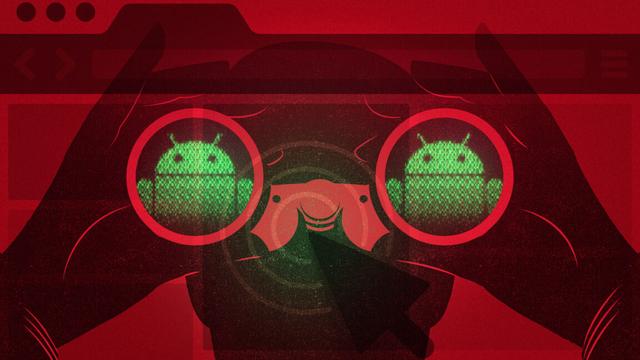
rexi#tracking code #Meta and Russian #Yandex embed into millions of websites is #deanonymizing #android users by abusing legitimate #Internetprotocols, causing #Chrome and other browsers to surreptitiously send #uniqueidentifiers to #nativeapps installed on their devices…#Google says it's investigating the abuse, which allows Meta and Yandex to convert ephemeral web identifiers into persistent mobile app user identities.
 Joche Ojeda
Hard to Kill: Why Auto-Increment Primary Keys Can Make Data Sync Die Harder
#database #dataSynchronization #primaryKeys #guid #sqlServer #mysql #postgresql #oracle #autoIncrement #databaseDesign #distributedSystems #entityFramework #xpo #identityColumns #sequences #databaseArchitecture #dataIntegrity #databasePerformance #uniqueIdentifiers #systemDesign

 No Context Pictures
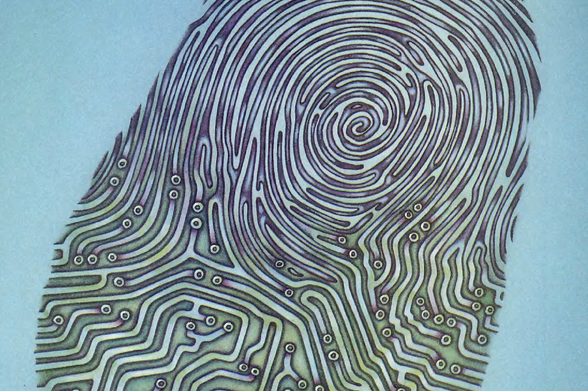
1985 Print Circuit Life
The image represents a printed circuit board design overlaid with fingerprint patterns, symbolizing the intersection of human identity and technology.
https://nocontext.loener.nl/fullpage/06-June1985-Page-086.png
#photography #illustration #madman #nocontext #sfw #biometrics #digitalidentities #technologicalconvergence #uniqueidentifiers
 Jérémie Zimmermann🎶💗🧀🫖5946
So what are the (geo)political consequences of having widely distributed pieces of software like Tor, Signal and others being mostly funded by US Gov and the CIA (through RFA -> OTF)?..
These questions are asked openly in this article by Y. Lavine (to take with a grain of salt, like all the rest indeed...)
https://thebaffler.com/salvos/the-crypto-keepers-levine
#CryptoKeepers #RadioFreeAsia #UniqueIdentifiers #DirectoryAuthorities #MetaData
