Universidade prevê receber mais de 2 mil visitantes num encontro internacional de música e tradição que contará com a participação de algumas das melhores tunas académicas.

#festivaluniversitáriodetunas #tunas #tunasacadémicas #portucalense #taup #fitup #porto #ensino

https://www.leca-palmeira.com/fitup-festival-internacional-de-tunas-da-universidade-portucalense/

Portucalense recebe maior Festival Universitário de Tunas em Portugal

Universidade prevê receber mais de 2 mil visitantes num encontro internacional de música e tradição que contará com a participação de algumas das melhores tunas académicas A Universidade Portucalense recebe, nos próximos dias 12, 13 e 14 de março, a 26ª edição do FITUP – Festival Internaciona

Leça da Palmeira

En los confines de los desiertos áridos y las tierras semiáridas, entre espinas y pétalos, se esconde un tesoro #botánico poco convencional: las #tunas. Estas frutas provenientes del cactus 'Opuntia ficus indica', han sido desde sus orígenes en las antiguas civilizaciones mesoamericanas hasta su papel en la actualidad como un símbolo de resistencia y adaptabilidad.

#México tiene el 45% de la producción mundial, seguido por #Italia con un 12,2% y #Sudáfrica con un 3,7%.

https://www.tiempo.com/noticias/ciencia/la-tuna-conoce-las-curiosidades-de-una-fruta-que-traspasa-fronteras.html

La tuna: conoce las curiosidades de una fruta que traspasa fronteras

Te revelamos algunos datos sorprendentes sobre la tuna, una fruta con múltiples nombres y diversidad de variedades que traspasa fronteras.

Tiempo.com

Why some #animals dive to the dark, #DeepSea https://phys.org/news/2023-11-animals-dark-deep-sea.html

Linking vertical movements of large #pelagic predators with distribution patterns of #biomass in the open ocean https://www.pnas.org/doi/10.1073/pnas.2306357120

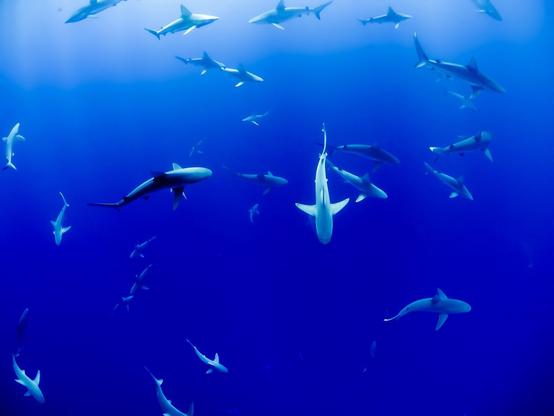
"large predatory #fishes like #sharks, #tunas and #billfish make a surprising number of visits to the deep #ocean—particularly the #mesopelagic zone. This area, also called the ocean's #TwilightZone, has been overlooked as critical habitat for large #predator species"

New study sheds light on why some animals dive to the dark, deep sea

If you've ever witnessed a shark breach the water—whether in person or somewhere on the Internet—that fleeting but awe-inspiring moment is just a small fraction of the time it spends at the surface of the ocean. Most of the time sharks and other large marine predators are out of sight, begging the question—where do they go?

Phys.org

Integrating unique long-term datasets reveals how upwelling affects marine life from the surface to deep seafloor https://phys.org/news/2023-03-unique-long-term-datasets-reveals-upwelling.html

Coastal upwelling drives ecosystem temporal variability from the surface to the abyssal seafloor: Monique Messié et al. https://www.pnas.org/doi/10.1073/pnas.2214567120

"Influx of cool, nutrient-rich water fuels blooms of #plankton and kickstarts the food web. #Phytoplankton feed swarms of #krill, #zooplankton. These feed bigger #animals, including #salmon, #tunas, #BlueWhales."

Integrating unique long-term datasets reveals how upwelling affects marine life from the surface to deep seafloor

For California's Central Coast, wind is much more than weather.

Phys.org

Collaborative effort for our new #OpenAccess paper in #AnimalBiotelemetry:

Recommendations towards the establishment of best practice standards for handling and intracoelomic implantation of data-storage and #telemetry tags in tropical #tunas

https://link.springer.com/article/10.1186/s40317-023-00316-3

Recommendations towards the establishment of best practice standards for handling and intracoelomic implantation of data-storage and telemetry tags in tropical tunas - Animal Biotelemetry

Archival (data-storage) and telemetry (acoustic and radio) tags are commonly used to provide data on the behavior and physiology of organisms, as well as data on their surrounding environment. For fishes, it is often advantageous to implant tags in the peritoneal cavity (i.e., intracoelomic implantation). The literature on best practices is limited for marine species, and near absent for tunas despite their regular application. We identify recommended practices using laparotomy in tropical tuna species following observations from thousands of tags implantations undertaken during implementation of several tagging programs across the Pacific. These recommended practices include descriptions of preferred tagging stations and equipment, fish selection, surgical procedures, and return of the fish to the wild. While these recommended practices were developed specifically for tropical tuna species, they are also likely applicable for other pelagic fishes. We present these guidelines to guide and promote the development of best practices for such procedures on pelagic species.

SpringerLink
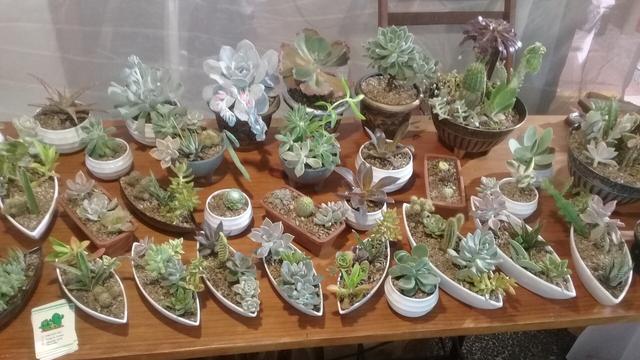
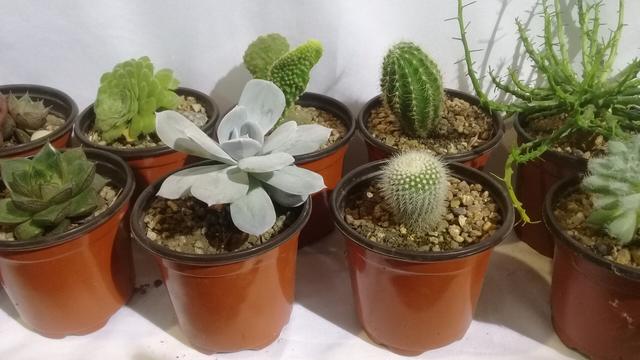
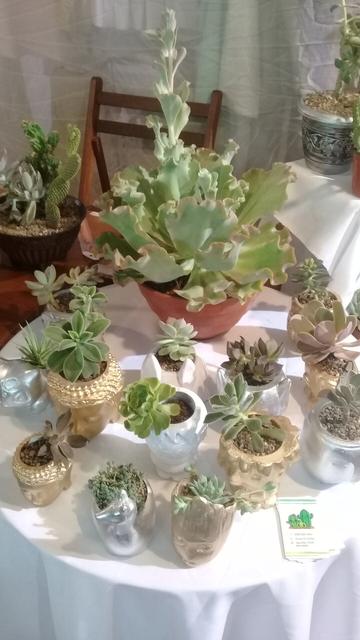
Tunas, me encantan las tunas #tunas #cactus #plantas