 Lukas VFN 🇪🇺
Why some #animals dive to the dark, #DeepSea https://phys.org/news/2023-11-animals-dark-deep-sea.html
Linking vertical movements of large #pelagic predators with distribution patterns of #biomass in the open ocean https://www.pnas.org/doi/10.1073/pnas.2306357120
"large predatory #fishes like #sharks, #tunas and #billfish make a surprising number of visits to the deep #ocean—particularly the #mesopelagic zone. This area, also called the ocean's #TwilightZone, has been overlooked as critical habitat for large #predator species"
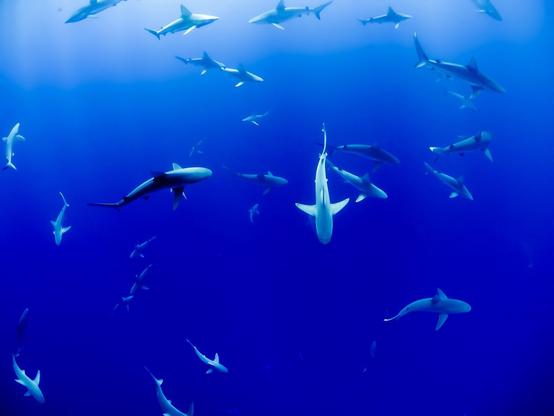

New study sheds light on why some animals dive to the dark, deep sea
If you've ever witnessed a shark breach the water—whether in person or somewhere on the Internet—that fleeting but awe-inspiring moment is just a small fraction of the time it spends at the surface of the ocean. Most of the time sharks and other large marine predators are out of sight, begging the question—where do they go?


 ivanfr