 Spaceflight 🚀
 Ansgar Schmidt
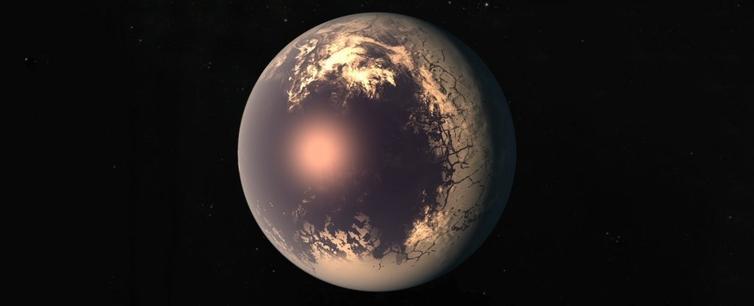
TRAPPIST-1 Outer Planets Likely Have Water https://www.universetoday.com/166941/trappist-1-outer-planets-likely-have-water/ #exoplanetatmospheres #atmosphericescape #reddwarfflaring #tidallocking #atmosphere #exoplanets #trappist-1 #reddwarf #mdwarfs
If a #planet 🪐 orbits extremely close to a star (as many extrasolar planets do), the star’s gravity stretches the planet into a shape called a prolate spheroid with a tidal bulge that somewhat resembles a football 🏈. The mass in that tidal bulge feels the gravitational pull of the host star, which tries to keep the bulge pointed toward the star https://www.astronomy.com/science/what-causes-a-planet-to-be-tidally-locked/

 Richie Enameller