 Darius Whiteplume
Me, dropping more catnip: I had to trim the bush if they want to see it.
T: It’ll make it look bigger.
 7sleepersmusic
@DJDarren Wheeeee! #ThePlaylistSuggestion #B52s #StrobeLight https://www.youtube.com/watch?v=ZywD-Zt7_js

Strobe Light
 Hacker News
Strobelight: A profiling service built on open source technology — https://engineering.fb.com/2025/01/21/production-engineering/strobelight-a-profiling-service-built-on-open-source-technology/
#HackerNews #Strobelight #Profiling #OpenSource #Technology #Engineering
#HackerNews #Strobelight #Profiling #OpenSource #Technology #Engineering

 Michel Lind
My colleague Jordan Rome just got his great blog post about #Strobelight, the profiling orchestrator from #Meta - if you're curious about how we do #PerformanceProfiling at scale this is a great read
engineering.fb.com/2025/01/21/p...
Strobelight: A profiling servi...
Strobelight: A profiling servi...
 nojarama
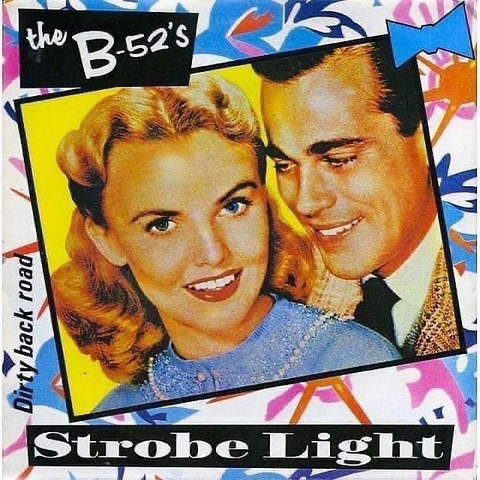
Happy anniversary to The B-52s double A-side single, “Strobe Light/Dirty Back Road”. Released this week in 1980. #theb52s #theb52sofficial #strobelight #dirtybackroad #wildplanet

 Bornach
In Techmoan's latest video
https://youtu.be/3-UMs5kvNVQ?t=13m56s
At 13:56 he is reluctant to buy a handheld 50/60Hz strobe light for US$75 and finds a similar "homemade flashy box thing" for £20
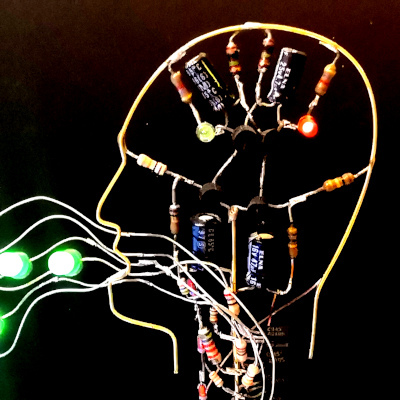
Question is what components are in the $75 version compared with the £20 DIY version?
A microcontroller, clock crystal, LEDs with driver circuitry?

Playing 78 RPM Shellac Records properly
 fstoppers unofficial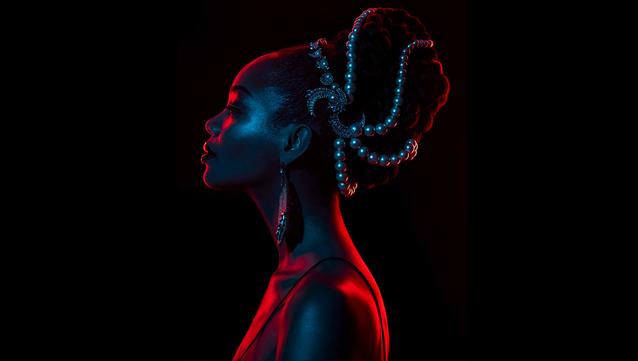

How to Use a Softbox to Create Beautiful Rim Light Portraits
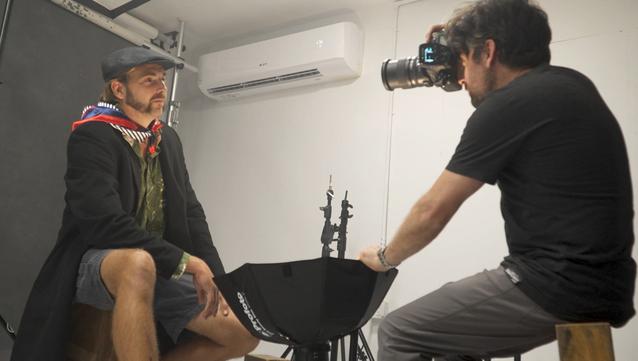
There is a lot of flexibility within portraiture to create a wide array of different looks. One of the primary ways to put your own stamp on a shot is through lighting and this tutorial might be just the trick for your next shoot. I have thought — probably for years at this point — that I will get sick of RGB and colored lighting in portraits; that it will age poorly and date my work where I use it. But, here we are, years on, and I still thoroughly enjoy it. What's most enjoyable, however, is combining it with other lighting techniques.

Completing The 'Up-Lit Photo Challenge' Is Extremely Difficult
Being a well-rounded photographer who can succeed in any situation is the ultimate goal for most photographers. However, what happens when you are forced to take a portrait by lighting from below? Today, I take the challenge. Most photographers enjoy the comfort of using their most tried-and-true lighting techniques.
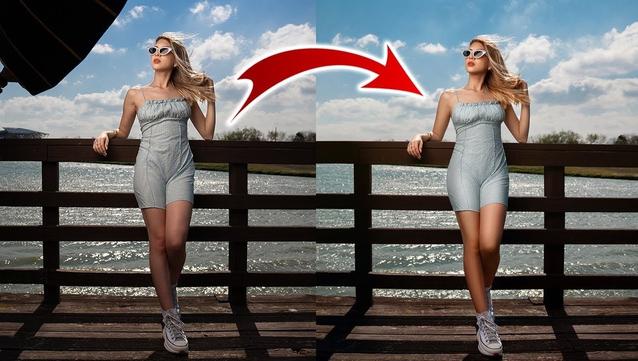

Removing Flash From Portraits in Post: How and Why?
Shooting off-camera flash outdoors can be tricky, as you need to contend with the brightness of the sun. This means that the flash can get pretty close, especially if you want to get a really soft light on your subject. What if it is in the frame? Francisco Hernandez from FJH Photography explains his method of creating off-camera daylight flash portraits and why his flash is sometimes within his frame during the portrait shoot. This video explains his reasoning for placing the flash so close to his subjects and how he erases the flash from his images in post-production. The secret?
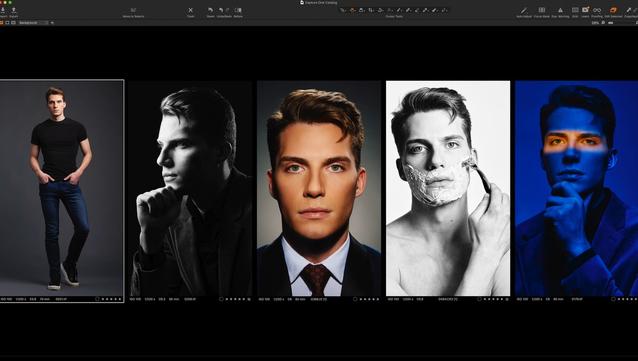

5 Portrait Looks With Just One Background
You don't need a ton of equipment to create a number of looks in a single shoot. In this video, John Gress discusses which background you should go for if you're looking for maximum versatility, showcasing five different looks. When I began shooting portraits for both commercial and editorial use, I learned a few things quickly and by necessity. The first was that you need to learn how to make boring spaces look interesting and that the answer is almost always lighting. The second was that with said lighting, you can create a plethora of different results.