 Palaeonavix
https://www.palaeonavix.org/index.php/scientific-documentary/dakosaurus
#palaeontology #ScienceForAll #paleoart #ArtandScience #publicscience #ecosystem #unique

https://www.palaeonavix.org/index.php/scientific-documentary/dakosaurus
#palaeontology #ScienceForAll #paleoart #ArtandScience #publicscience #ecosystem #unique
Neuromatch Academy exists because of people like you.
Whether you joined as a student, TA, mentor, or volunteer, you helped make something remarkable.
Your story deserves to be heard, and it might inspire someone else.
Tell us where Neuromatch has taken you, what it's meant to you, or what you're proud of.
We’d love to feature your story ➡️https://form.asana.com/?k=211wODXfx4vRn1uypdnglg&d=1203100783724456
#Neuromatch #NeuromatchAcademy #YourStoryMatters #OpenScience #STEMcommunity #MentorshipMatters #ScienceForAll
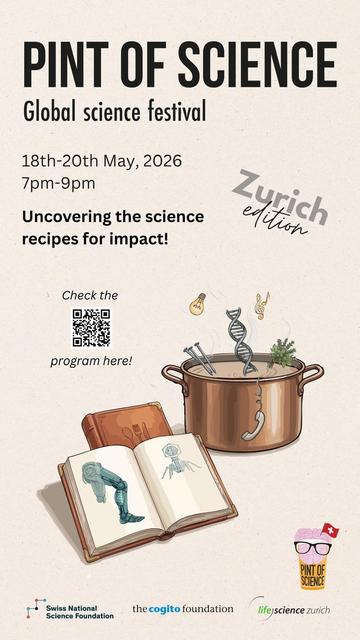
Last year I had the chance to share our fungal biobattery research at Pint of Science Zurich and the energy in the room was unforgettable.
This year, it’s back with talks on AI, primate research, robotics, and more.
Curious? Scan the QR code and come experience it for yourself 🍻🔬
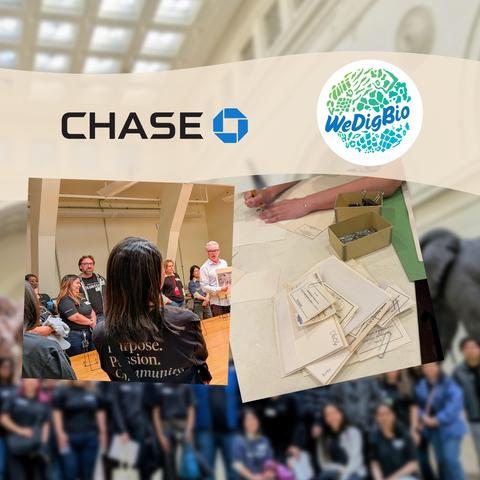
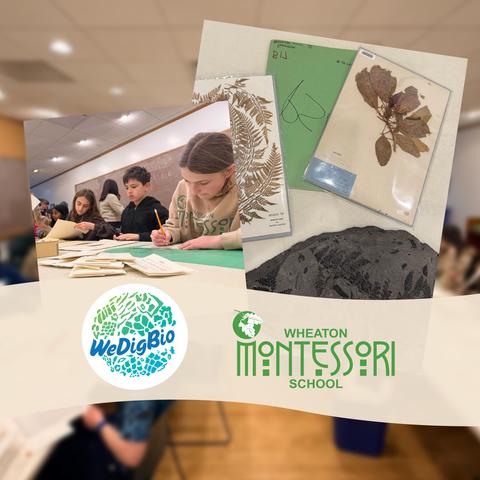
WeDigBio starts today! Comment and like if you are participating! #wedigbio #biodiversity #communityscience #communityscientist #naturalhistory #science #scienceforall #scistarter #scienceforeveryone #scienceforeveryone #scienceisforeveryone #scistarter #zooniverse
Participate: https://scistarter.org/citizensciencemonth-participate
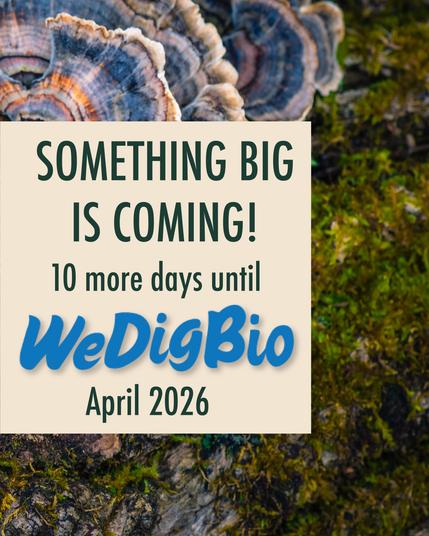
WeDigBio returns in just 10 days! Help biodiversity efforts by mobilizing thousands of natural history records, and make your mark on community-led science. Follow along as we count down. #wedigbio #biodiversity #communityscience #communityscientist #naturalhistory #science #scienceforall #scistarter #scienceforeveryone #scienceforeveryone #scienceisforeveryone
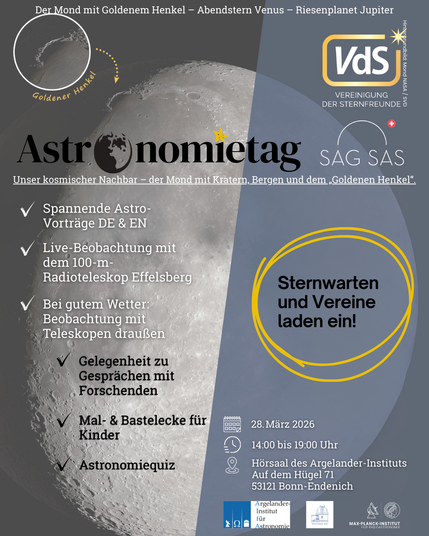
Am Astronomietag schließen sich das Argelander-Institut für Astronomie, das Max-Planck-Institut für Radioastronomie und die Volkssternwarte Bonn zusammen. Daraus entsteht ein abwechslungsreiches Programm für Groß und Klein: von allgemeinverständlichen Astro-Vorträgen über Beobachtungen vor Ort bis hin zu partizipativen Aktivitäten wie einem Astronomiequiz und einer Kinderecke.
Eine Anmeldung ist nicht erforderlich. Der Eintritt ist frei. Der Beobachtungsplatz vor dem Institut ist ebenerdig und der Hörsaal kann über eine Rampe erreicht werden. Wir freuen uns auf Euch!
#astronomietag2026 #astronomietag #astronomie #openscience #scienceforall #outreach #wissenschaft
 Neuromatch
 Carolina Reyes
 WeDigBio
 MPIfR_Bonn