Chemsex Interventions Succeed by Not Targeting Drug Use
The Search for Solutions
“Chemsex,” the use of psychoactive drugs to enhance sex, is a recognized public health concern due to its association with increased risks of HIV and other sexually transmitted infections (STIs).
In response, a range of programs, from counseling to medication, have been developed to address these risks. The common assumption is that the primary goal of these programs is to help individuals reduce or stop the drug use associated with chemsex.
However, a major new systematic review and meta-analysis that synthesized the results of 12 different studies challenges this assumption, revealing a more nuanced and surprising picture of what “success” actually looks like in this area.
Takeaway #1: Chemsex Interventions Target a Specific Risk, Not the Drug Use Itself
The single most effective outcome identified by the review was a clear and significant victory for public health: bio-behavioral interventions were found to substantially decrease the number of episodes of unprotected anal intercourse (UAI) with serodiscordant partners, or partners with a different HIV status, a result so strong it was highly statistically significant (p<0.001).
However, in what may be the most counter-intuitive finding, the review also concluded that the interventions did not lead to a reduction in the use of psychoactive substances during sexual activities.
This is a significant finding because it reframes the goal of these interventions from one of drug abstinence to one of harm reduction. The data shows that the programs are succeeding at reducing a primary risk factor for HIV transmission, even if they don’t stop the underlying drug use itself.
They are making a high-risk behavior safer.
Bio-behavioral chemsex interventions reduce the risk of UAI with serodiscordant partners, a high-risk factor for HIV seroconversion.
Takeaway #2: The Evidence is Narrower and More Fragile Than It Appears
While the primary finding is promising, the review also reveals critical limitations in the current body of research, suggesting the evidence is not as robust as it might seem.
- Geographic Bias: All 12 studies included in the meta-analysis were conducted in the USA. This raises what the review calls “concerns regarding the generalisability of these findings to other countries” in Europe, Asia, and Australia where chemsex is also practiced.
- Drug-Specific Focus: Chemsex is known to involve several drugs, including mephedrone and GHB/GBL. Yet, 11 of the 12 studies focused exclusively on methamphetamine use. The review notes this highlights a “dearth of research” for interventions targeting other relevant substances.
- Risk of Bias: The quality of the evidence is a concern. The majority of the studies (67%) were rated as having a “high risk of overall bias.” Key issues included a reliance on participants self-reporting their behaviors and high drop-out rates, which tempers confidence in the overall conclusions.
Are you exploring your trauma? Do you feel your childhood experiences were detrimental to your current mental or physical health? Utilize this free, validated, self-report questionnaire to find out.
Take the Adverse Childhood Experience (ACE) Questionnaire
Takeaway #3: Beyond a Single HIV Risk Factor, the Benefits Remain Unclear
While the interventions successfully reduced UAI with serodiscordant partners, their impact on other risky behaviors was more ambiguous.
The review found that interventions led to a decrease in the total number of sexual partners and the number of partners with whom UAI occurred, but these reductions were not large enough to be statistically significant.
Specifically, the review could not establish a statistically significant link between the interventions and outcomes such as the total number of sexual partners, the number of partners where UAI took place, the overall number of episodes of UAI, or the frequency of sex involving substance use.
This finding does not mean the interventions are failures. Rather, it suggests they are highly targeted in their effect, acting on one very specific, high-stakes behavior rather than serving as a “magic bullet” for all behaviors associated with chemsex.
Conclusion: Reframing the Success of Chemsex Interventions
This comprehensive review sends a clear message: chemsex interventions show tangible promise for reducing a critical HIV risk behavior, even if they don’t reduce drug use itself.
At the same time, the scientific evidence supporting these interventions has significant gaps, including a narrow geographic and substance focus and a high risk of bias in the underlying studies. The review presents a paradox: the most successful interventions are the ones that ignore the most obvious target: drug use and, instead, focus on mitigating its most dangerous consequences.
As we move forward, should the goal of public health be focused less on abstinence and more on providing tools that demonstrably make risky behaviors safer?
Are you a professional looking to stay up-to-date with the latest information on, sex addiction, trauma, and mental health news and research? Or maybe you’re looking for continuing education courses? Then you should stay up-to-date with all of Dr. Jen’s work through her practice’s newsletter!
Are you a Licensed Professional Counselor seeking engaging, unique Continuing Education courses? Dr. Weeks offers accredited courses on her practice website on the effects of Pornography Abstinence and other unique topics!
Do you feel your sexual behavior, or that of someone you love, is out of control? Consult with a professional.
Are you looking for more reputable, data-backed information on sexual addiction? The Mitigation Aide Research Archive is an excellent source for executive summaries of research studies.
#1 #2 #3 #addictionRecovery #bioBehavioralInterventions #Chemsex #evidenceBasedTreatment #GHB #harmReduction #HIVPrevention #LGBTQHealth #mephedrone #methamphetamine #publicHealth #recoveryResearch #relapsePrevention #saferSex #serodiscordantPartners #sexualBehavior #sexualHealth #STIPrevention #substanceUse #systematicReview #unprotectedAnalIntercourse 👁️👁️ Eyes Only 👁️👁️
 Dr. Jennifer Weeks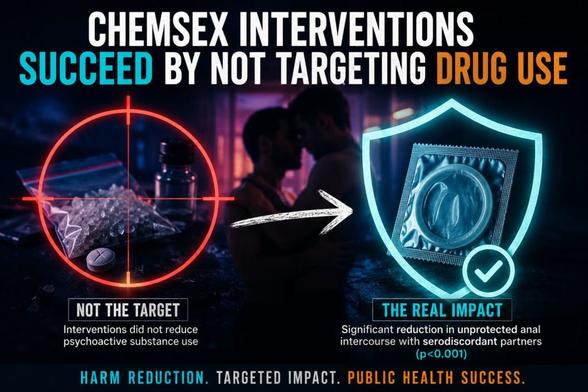
 Amanda
 Adrian Seidelman
 chrokaki
 Tom Rocket's 🚀