Here are the roads set to be repaired this year in Windsor wards 8, 9 and 10
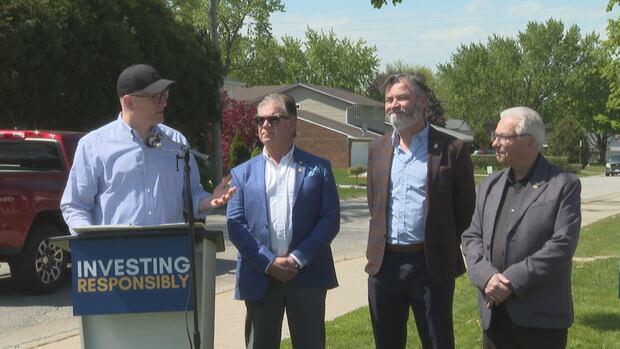
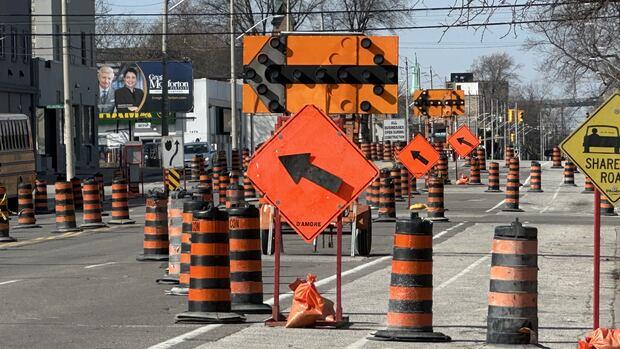
The City Windsor will repave a section of Tecumseh Road E. and reconstruct part of Liberty Street – including replacing curves, sidewalks and residential driveways — as part of an expansive list of road repairs scheduled for this year in Wards 8, 9 and 10.
https://www.cbc.ca/news/canada/windsor/windsor-road-repairs-wards-8-9-10-9.7193599?cmp=rss
Windsor spending $3M for Ward 1 road work in 2026
The City of Windsor is set to invest about $3 million in road repairs and rehabilitation in south west Windsor this year.
https://www.cbc.ca/news/canada/windsor/windsor-roads-9.7151827?cmp=rss
‘Brutal winter’ leaves Toronto roads battered as city launches 3rd pothole blitz
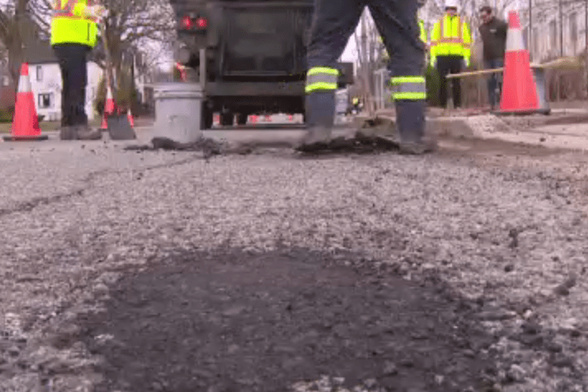
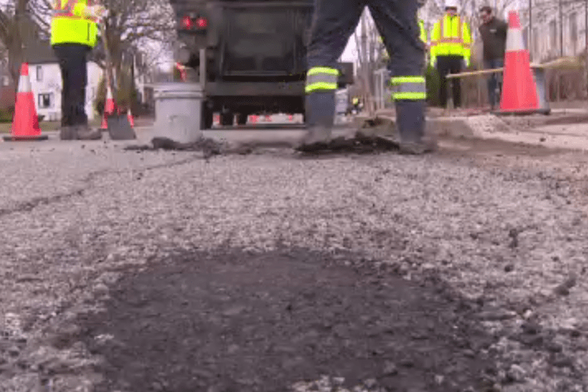
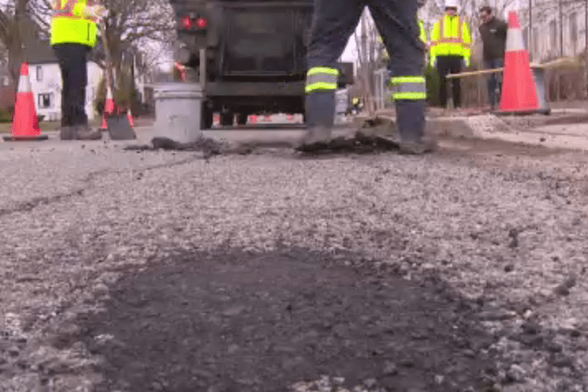
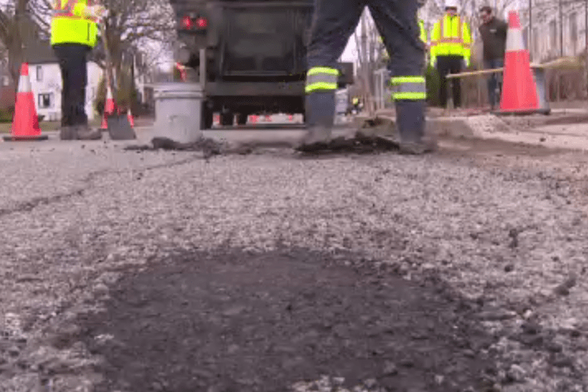
Toronto has launched its third pothole repair blitz of the year as Mayor Olivia Chow says crews are working to catch up after a harsh winter and fluctuating temperatures.
#Canada #CityofToronto #OliviaChow #Potholes
https://globalnews.ca/news/11750251/toronto-pothole-blitz-2/
‘Brutal winter’ leaves Toronto roads battered as city launches 3rd pothole blitz
Toronto has launched its third pothole repair blitz of the year as Mayor Olivia Chow says crews are working to catch up after a harsh winter and fluctuating temperatures.
#Canada #CityofToronto #OliviaChow #Potholes
https://globalnews.ca/news/11750251/toronto-pothole-blitz-2/
‘Brutal winter’ leaves Toronto roads battered as city launches 3rd pothole blitz
Toronto has launched its third pothole repair blitz of the year as Mayor Olivia Chow says crews are working to catch up after a harsh winter and fluctuating temperatures.
#Canada #CityofToronto #OliviaChow #Potholes
https://globalnews.ca/news/11750251/toronto-pothole-blitz-2/
‘Brutal winter’ leaves Toronto roads battered as city launches 3rd pothole blitz
Toronto has launched its third pothole repair blitz of the year as Mayor Olivia Chow says crews are working to catch up after a harsh winter and fluctuating temperatures.
#Canada #CityofToronto #OliviaChow #Potholes
https://globalnews.ca/news/11750251/toronto-pothole-blitz-2/

Councils across South West Wales reject almost every pothole claim as drivers left paying the price

Fresh data obtained by the RAC reveals a bleak picture for motorists in our region, where refusal rates regularly top 97%, leaving families to cover repair bills that can easily run into hundreds of pounds.

Carmarthenshire: 114 claims, one payout — a 99% refusal rate

No council in our patch fared worse than Carmarthenshire, which rejected 113 out of 114 pothole damage claims in 2024.

That means just one driver received compensation all year — despite garages across the county reporting a steady stream of suspension failures, buckled wheels and blown tyres.

At a garage in Porthyrhyd, owner Aled Jenkins says the damage is relentless.

“We get people coming in more or less every week because of potholes,” he said. “It causes a lot of trouble for cars, especially with their suspensions.”

In Cwmamman, mechanic Amos Lawlor says drivers have simply lost faith in the system.

“Go back five or ten years and you’d put in a claim and get paid,” he said. “Now they’re clamping down. But the damage hasn’t stopped — we still see it every week.”

He warned that recent frosts will only make things worse: “Roads aren’t being maintained enough. After the latest frost, there’ll be more potholes again.”

Swansea, Pembrokeshire and NPT: refusal rates above 94%

The picture is no better in neighbouring counties.

Swansea, Pembrokeshire, Neath Port Talbot and the Vale of Glamorgan all rejected 97% of claims or more, according to the RAC’s analysis.

In practice, that means drivers who hit a pothole in Swansea or Pembrokeshire have almost no chance of receiving compensation — even if the damage is severe.

Neath Port Talbot wasn’t far behind, refusing more than 94% of claims.

Across the region, garages say the pattern is the same: more damage, fewer payouts, and drivers increasingly resigned to footing the bill themselves.

Bridgend: the one rare bright spot

One council in our wider region bucked the trend — and dramatically so.

Bridgend County Borough Council was the only authority in Wales to pay out 100% of the pothole claims it received last year.

It’s a tiny number of cases compared to Carmarthenshire or Swansea, but still a striking contrast in a landscape where almost every other council is rejecting nearly every claim.

Claims rising, payouts falling

While councils in our patch are rejecting claims at record levels, the number of drivers seeking compensation continues to rise.

Across Wales, pothole claims have jumped 26% since 2021 — but the proportion of successful payouts has fallen from one in four to just one in six.

The RAC says the average payout is £390, but the average repair bill for damage worse than a puncture is closer to £590 — leaving many families out of pocket even when they do win a claim.

RAC head of policy Simon Williams says strict definitions of what counts as a pothole are part of the problem.

“Some have to be four centimetres deep and a certain width,” he said. “If you hit one, it can cause a real jolt to the car and serious damage — and it’s a major safety risk, particularly for cyclists and motorcyclists.”

He warned that the true scale of the problem may be even worse, with several councils failing to provide data.

A growing crisis on local roads

For drivers in Carmarthenshire, Swansea, Neath Port Talbot, Pembrokeshire and Bridgend, the message is clear: pothole damage is rising — but the chances of getting a penny back are shrinking fast.

Related stories from Swansea Bay News

Councils face record numbers of compensation claims for pothole damage
New figures reveal a surge in drivers seeking payouts as road conditions worsen across Wales.

Welsh Government hails 37,000 pothole fixes — but drivers still face a bumpy ride
Ministers say progress is being made, but motorists insist the repairs aren’t keeping pace with the damage.

Could AI fix the country’s pothole problem?
Experts explore whether new technology could finally help councils get ahead of the UK’s pothole crisis.

City council says it’s filled thousands of potholes to keep motorists on the move
Officials defend their record, saying crews are working around the clock to repair damaged roads.

#CarmarthenshireCouncil #compensation #motoring #NeathPortTalbotCouncil #PembrokeshireCouncil #potholes #roadRepairs #SwanseaCouncil

🚧Update🚧
MCDOT Highway Services contractors recently completed the Waters Landing, sidewalk, curb/gutter repair project in #GermantownMD. Part of the project included allowing #MontgomeryCountyMD residents to take advantage of the Driveway Apron/Lead Walk repair program.
#roadrepairs #projects

Pothole patchwork: Welsh Government hails 37,000 fixes – but drivers still face a bumpy ride

Broken roads are costing drivers dear

For motorists, the numbers are more than statistics. The RAC says drivers in England and Wales encounter an average of six potholes per mile, while the AA reports that fixing potholes is a priority for 96% of drivers.

Prime Minister Sir Keir Starmer has warned that “broken roads can risk lives and cost families hundreds if not thousands of pounds on repairs”. Industry data backs that up: Halfords says more than a quarter of drivers suffered pothole damage last year, with repairs averaging £718 for suspension, wheels and tyres.

AA president Edmund King has urged councils to focus on “permanent and innovative repairs rather than adopting a ‘patch and run’ approach”, warning that potholes can be fatal for cyclists and motorcyclists.

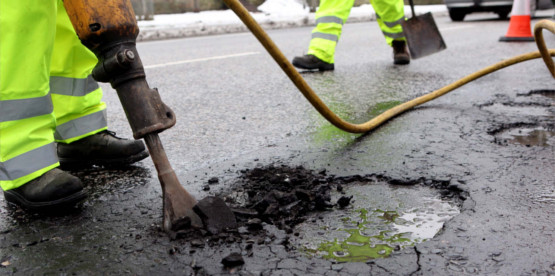
Highways worker carrying out a pothole repair.

Who is actually responsible for fixing the roads?

Part of the confusion for drivers is that not all roads are the same.

  • The Welsh Government maintains trunk roads and motorways such as the M4 and A40.
  • Local councils are responsible for local roads, using a mix of their own budgets and government‑backed borrowing.

So when the Welsh Government says 37,000 potholes were fixed or prevented between April and September, that only covers work funded through its own schemes. It doesn’t capture the full scale of day‑to‑day repairs carried out by councils.

🛠️ Report a pothole

Not sure who’s responsible for the road? Use the right link below to make sure your report gets to the right place:

Tip: If you’re not sure who’s responsible, start with your local council — they’ll redirect you if it’s a trunk road.

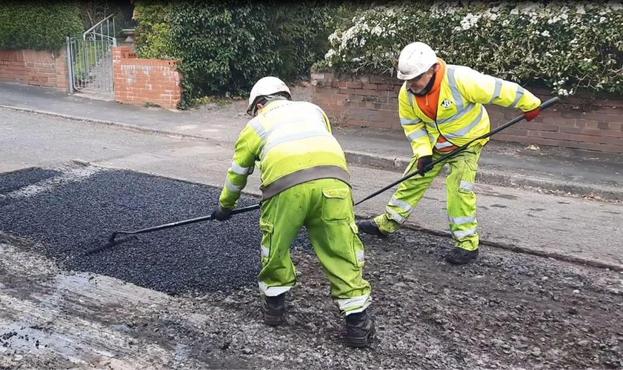
Highways team completing a larger patch repair to the road surface.
(Image: Swansea Council)

Councils’ budgets show a fragmented picture

Earlier this year, councils set their budgets for 2025/26 — and the differences are stark.

  • In Swansea, councillors approved a record £20m investment in highways, covering resurfacing, pavements, bridges and drainage. By mid‑year, schemes such as the 8km resurfacing of the B4295 on Gower had already been delivered.
  • In Bridgend, the budget included £590,000 for highways works, topped up by £2.9m from the Welsh Government’s borrowing initiative.
  • In Pembrokeshire, councillors warned last year that the county faced a period of “managed decline” in its road network, with only the most urgent repairs affordable.

The result is a patchwork: Swansea trumpeting record spending, Bridgend relying on borrowing, and Pembrokeshire openly admitting the limits of what it can achieve.

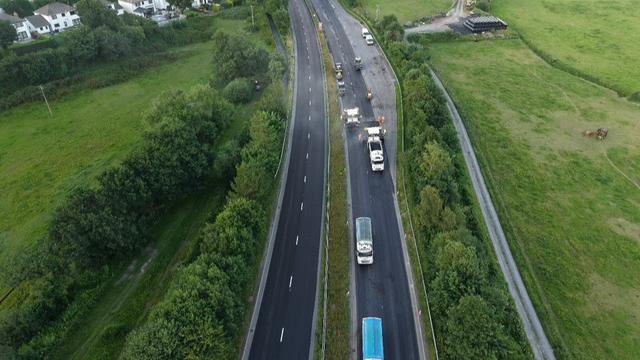
Drone view of resurfacing works on the A40 dual carriageway in Carmarthen.
(Image: Welsh Government)

Swansea leads on transparency – others lag behind

Swansea is also unusual in publishing weekly updates on potholes fixed, including how many were repaired within 48 hours. Those logs show dozens repaired every week — far higher than the 57 potholes attributed to Swansea in the Welsh Government’s dataset for the same six‑month period.

Neighbouring councils do not routinely publish similar data. Carmarthenshire revealed in a scrutiny report that it logged more than 10,000 potholes in 2024, while Pembrokeshire and Bridgend figures tend to surface only through FOI requests or budget papers.

That lack of consistency makes it harder for residents to compare performance across Wales — and harder to hold councils to account.

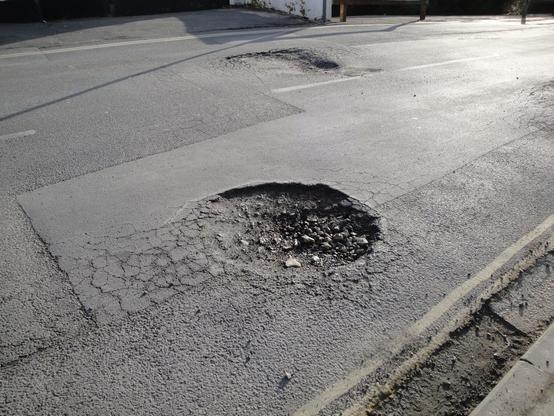
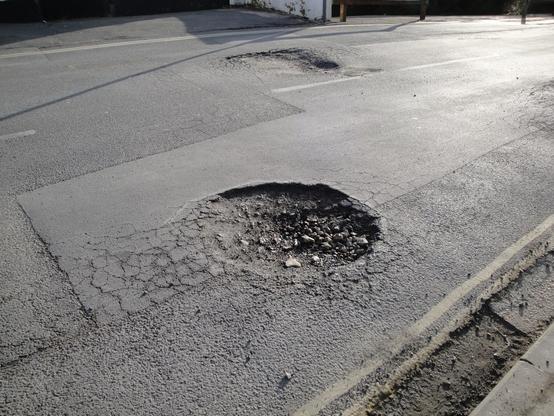
Pothole on a rural road in South West Wales.
(Image: Swansea Bay News)

A road ahead that still looks uneven

For drivers, the frustration is simple: the roads they use every day often feel worse than the official figures suggest. For councils and ministers, the reality is more complicated — split responsibilities, ring‑fenced funding streams, and budgets that vary wildly from county to county.

Swansea’s weekly repair logs and record investment show what transparency and ambition can look like. But elsewhere, figures are harder to come by, and some councils admit they are managing decline rather than delivering improvement.

The Welsh Government’s claim of 37,000 potholes fixed in six months is eye‑catching, but it is only part of the picture. Until there is a consistent way of reporting repairs — and a sustainable level of funding to match the scale of the problem — drivers across South West Wales are likely to keep feeling every bump in the road.

Related stories from Swansea Bay News

Councils face record numbers of compensation claims for pothole damage
Local authorities are paying out more than ever as drivers seek redress for damage caused by crumbling roads.

Could AI fix the country’s pothole problem?
Experts explore whether technology could help councils spot and repair potholes more efficiently.

Swerving potholes: Experts call for clearer guidance
Road safety specialists warn that unclear advice leaves drivers at risk when avoiding potholes.

Councils to get £120m boost to repair more potholes
A major funding package aims to help local authorities tackle the growing backlog of road repairs.

#councils #featured #localAuthority #motoring #potholes #roadRepairs #roadResurfacing #WelshGovernment