 Italian News by RSS
LA NOTIZIA: Dopo l’offerta di Poste, Del Fante assicura: “Tim resta stand alone, il brand sarà protetto”
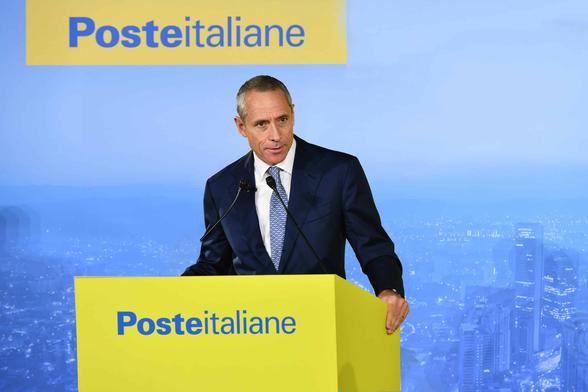
Tim resterà “stand alone” e il suo “iconico brand” verrà “protetto”. Il giorno dopo il lancio dell’offerta pubblica di acquisto e scambio da 10,8 miliardi, l’amministratore delegato di Poste Italiane, Matteo Del Fante, rassicura gli analisti sul futuro di Tim. Del Fante, in conference call, spiega che inizialmente Poste aveva pensato a una fusione, ma l’intenzione non è togliere Tim dal mercato. Anzi, il delisting la renderà “più aggressiva”, con l’obiettivo di accelerare il consolidamento del settore.
Tim “non sarà quotata in Borsa ma l’operatore nelle tlc sarà presente”, assicura Del Fante. Prima dell’Opas, Poste deteneva oltre il 20% del capitale di Tim. L’acquisto sarà raggiunto se l’adesione riguarderà almeno il 66,67% delle azioni. L’operazione è da considerarsi in concerto con il ministero dell’Economia, che detiene il 29,2% di Poste. Anche se Del Fante assicura che non c’è stato coinvolgimento o spinta del governo, tanto che il progetto è stato pensato già cinque anni fa. A fine operazione, attesa entro fine anno, Cdp e Mef avranno insieme oltre il 51% del gruppo che nascerà dall’integrazione.
L’opas di Poste su Tim: il nodo del prezzo e l’accoglienza di analisti e sindacati
Tra i nodi dell’operazione ci sono i dettagli dell’offerta: ai soci Tim vengono offerti 0,635 euro, di cui 0,167 in contanti e il resto in titoli di Poste. Un concambio che corrisponde a un premio del 9%, ritenuto poco generoso da qualche analista. All’opposto, però, viene ritenuta positiva la prospettiva sui ritorni, considerando che Poste ha cedole per gli azionisti generose. L’operazione viene promossa dai sindacati, secondo cui potrebbe offrire garanzie ai lavoratori. E a festeggiare è anche il titolo di Tim, che a Piazza Affari ha guadagnato il 4,7%. Sul prezzo, i vertici di Poste spiegano che non c’è “intenzione di aumentarla”. Intanto Del Fante guarda alle possibili integrazioni, a partire da quella con Poste Mobile. Per l’ad siamo di fronte a un’operazione che “completa perfettamente il nostro modello”.
L'articolo Dopo l’offerta di Poste, Del Fante assicura: “Tim resta stand alone, il brand sarà protetto” sembra essere il primo su LA NOTIZIA.
After Poste’s offer, Del Fante assures: “Tim will remain stand-alone, the brand will be protected.”
Tim will remain “stand alone” and its “iconic brand” will be “protected”. The day after the launch of the €10.8 billion public offer for sale and exchange, the CEO of Poste Italiane, Matteo Del Fante, reassures analysts about the future of Tim. Del Fante, in a conference call, explains that initially Poste had considered a merger, but the intention is not to take Tim off the market. In fact, the delisting will make it “more aggressive,” with the goal of accelerating the consolidation of the sector.
Tim “will not be listed on the Stock Exchange but the operator will be present in the telecommunications sector,” Del Fante assures. Before the OPAS, Poste held over 20% of Tim’s capital. The purchase will be achieved if the subscription relates to at least 66.67% of the shares. The operation should be considered in concert with the Ministry of Economy, which holds 29.2% of Poste. Even though Del Fante assures that there has been no involvement or push from the government, so much so that the project was conceived five years ago. At the end of the operation, expected by the end of the year, Cdp and Mef will together hold over 51% of the group that will emerge from the integration.
The OPAS of Poste on Tim: the knot of the price and the reception of analysts and unions
Among the knots of the operation are the details of the offer: shareholders of Tim are offered €0.635, of which €0.167 in cash and the rest in Poste shares. A conversion that corresponds to a premium of 9%, considered by some analysts to be little generous. However, the prospect of returns is considered positive, considering that Poste has generous coupons for shareholders. The operation is promoted by the unions, according to which it could offer guarantees to workers. And it’s also Tim’s stock that celebrates, which on the Piazza Affari gained 4.7%. Regarding the price, the top executives of Poste explain that there is “no intention to increase it.” Meanwhile, Del Fante is looking at possible integrations, starting with that with Poste Mobile. For the CEO, we are facing an operation that “perfectly completes our model.”
The article After the offer by Poste, Del Fante assures: “Tim remains stand alone, the brand will be protected”
#Poste #DelFante #PosteItaliane #MatteoDelFante #theStockExchange #over20% #atleast6667% #over51% #thePiazzaAffari #PosteMobile

 stu
stu