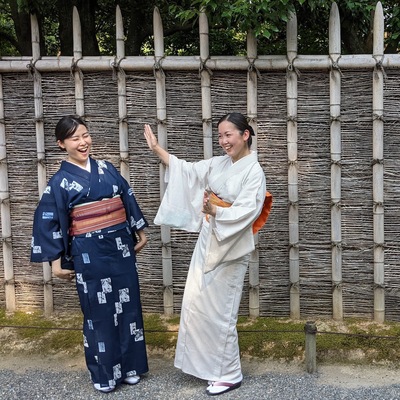
 Camellia Tea Ceremony
Whatever the origin of the kayari buta, and whether or not you believe in the effectiveness of katori senkō as a mosquito repellant, these pig-shaped pots are now intrinsically linked to that feeling of summer in Japan🌞🐖🥰
In Japan it's common to see the traditional 'katori senkō' (蚊取り線香) outside homes and in gardens during the summer.
To combat mosquitoes Ueyama Ei'ichirō (上山英一郎) developed incense sticks in the late 1800s mixed from starch, orange skin, and pyrethrum powder.
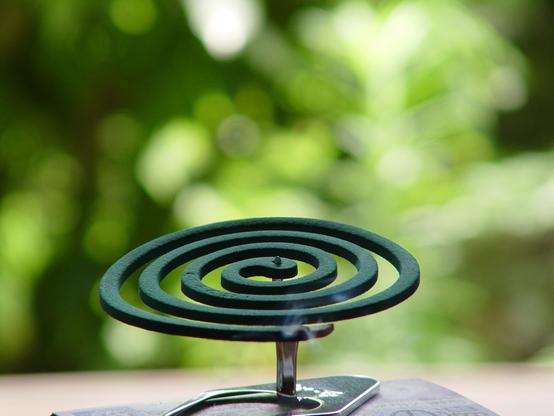
It was Ei'ichirō's wife Yuki, in 1895, that suggested he shape the incense into coils.
It took 7 years to perfect!
Nowadays katori senkō has become synonymous with a pig-shaped holder called 'kayari buta' (蚊遣り豚 the 'mosquito repelling pig').
It is deeply evocative of summer.