 Camellia Tea Ceremony
🐗🔥PIG PROTECTION🌪️🦟
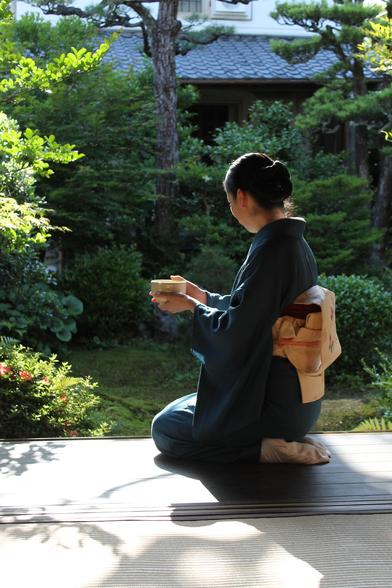
One of the great joys of summer is taking out the sliding doors and blurring the line between garden and tearoom, relishing the morning cool before it gets too hot.
But...
Mosquitoes also love the garden.
So what to do?🤔

🐗🔥PIG PROTECTION🌪️🦟
One of the great joys of summer is taking out the sliding doors and blurring the line between garden and tearoom, relishing the morning cool before it gets too hot.
But...
Mosquitoes also love the garden.
So what to do?🤔
close to my ear
a single breeze
from a mosquito
只一ッ耳際に蚊の羽かぜ哉
-Kobayashi Issa (小林一茶), 1793.
Trans. Ogawa Shinji.
#茶道 #teaceremony #CamelliaTeaCeremony #Kyoto #京都 #Japan #matcha #summervibes
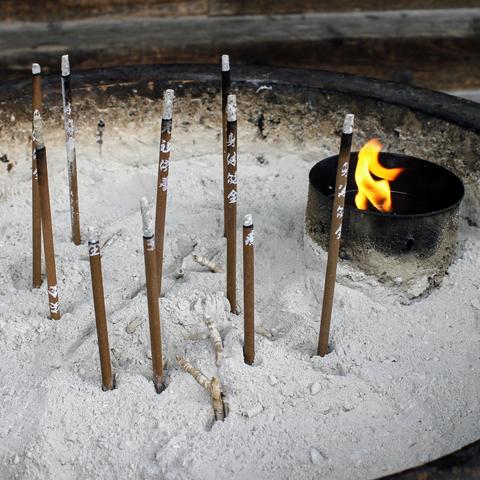
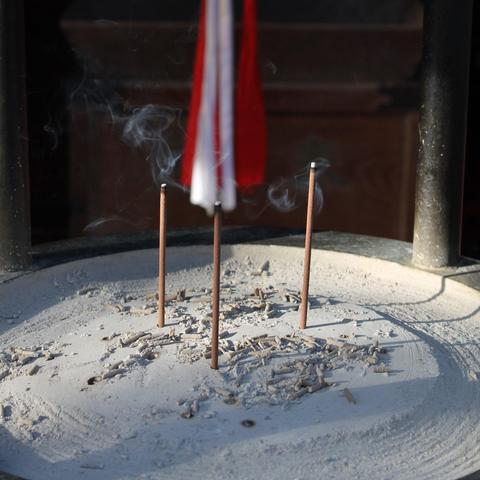
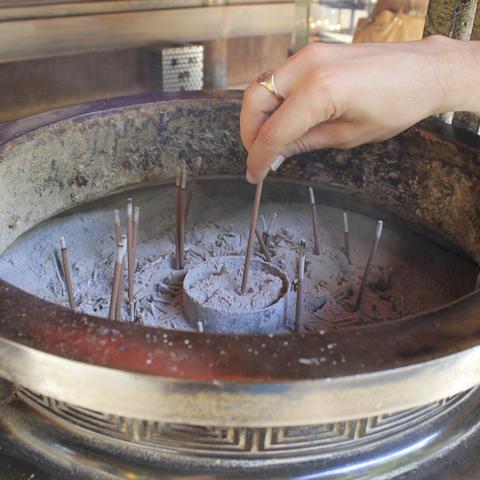
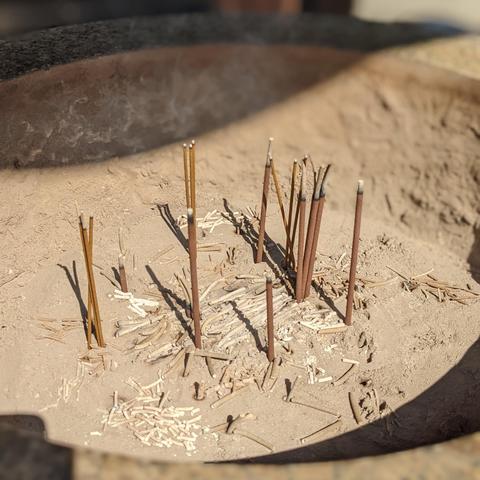
In Japan it's common to see the traditional 'katori senkō' (蚊取り線香) outside homes and in gardens during the summer.
To combat mosquitoes Ueyama Ei'ichirō (上山英一郎) developed incense sticks in the late 1800s mixed from starch, orange skin, and pyrethrum powder.
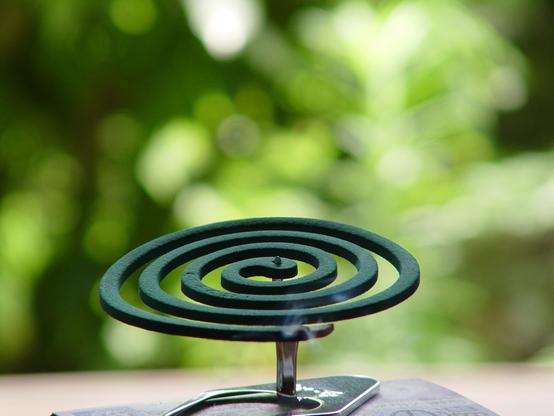
It was Ei'ichirō's wife Yuki, in 1895, that suggested he shape the incense into coils.
It took 7 years to perfect!
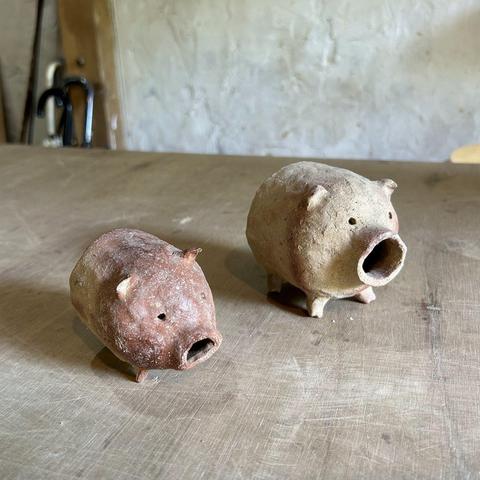
Nowadays katori senkō has become synonymous with a pig-shaped holder called 'kayari buta' (蚊遣り豚 the 'mosquito repelling pig').
It is deeply evocative of summer.
But why a pig?
There is no definitive answer, but the connection between pigs (in reality boars) and mosquitoes may have solidified in Edo times.
It is likely the pottery pig-shaped coil holders appeared from the Meiji period in Aichi prefecture.
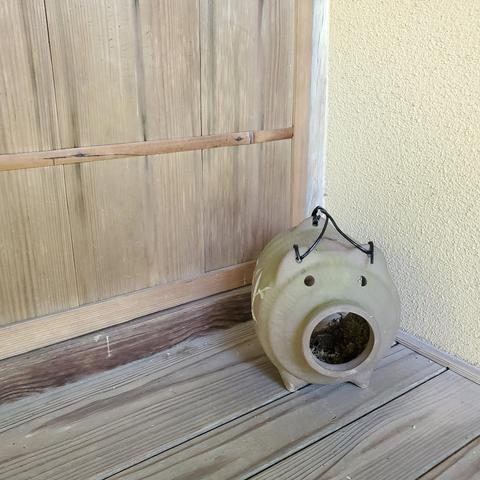
🌫️SMOKE TO PIG🐷
In the Edo period it was common to use smoke as a simple mosquito repellant, but as most buildings were made of paper and wood many people in built up areas were concerned about naked flames.
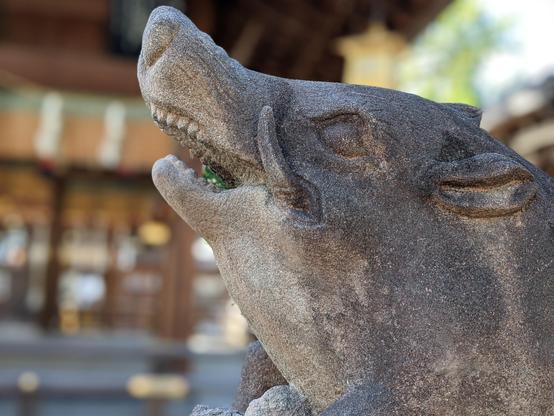
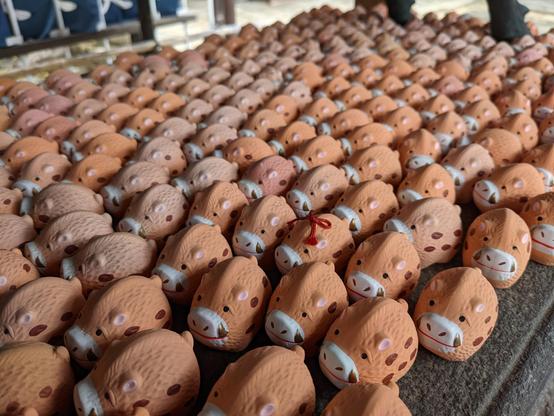
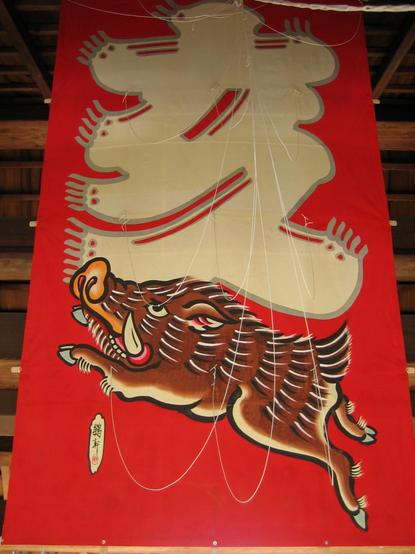
Boars, as familiars of the fire deity, became linked to fire protection.
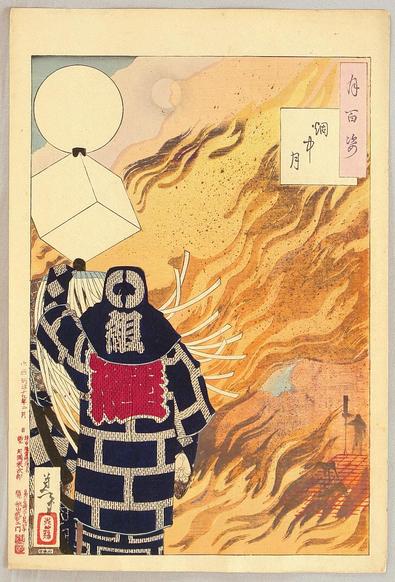
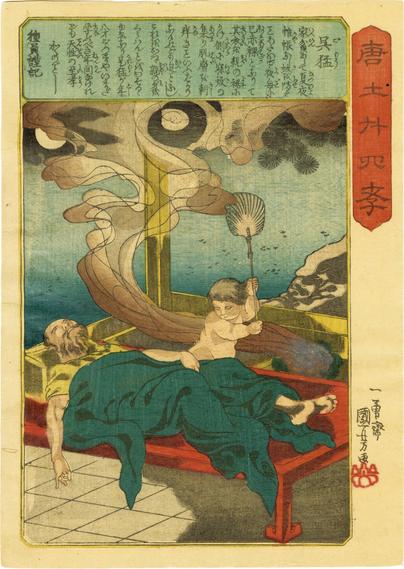
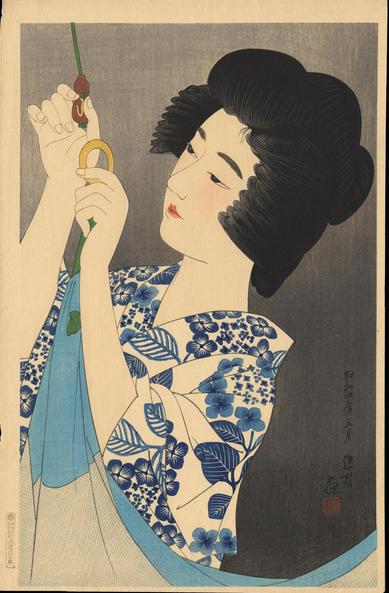
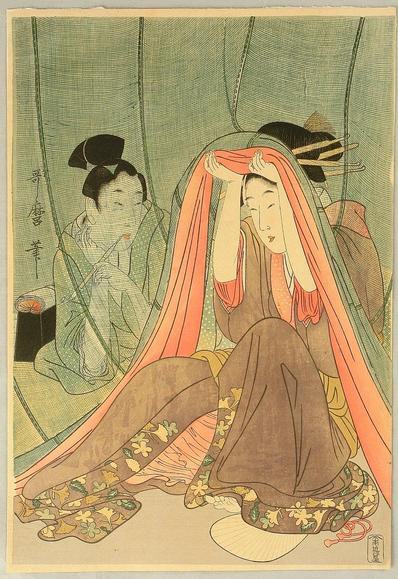
In addition to this connection between boars and fire, it was believed that the thick, hairy skin of the animals helped protect them from mosquitoes, and so these ideas maybe inspired potters when they came to create a holder for incense coils...
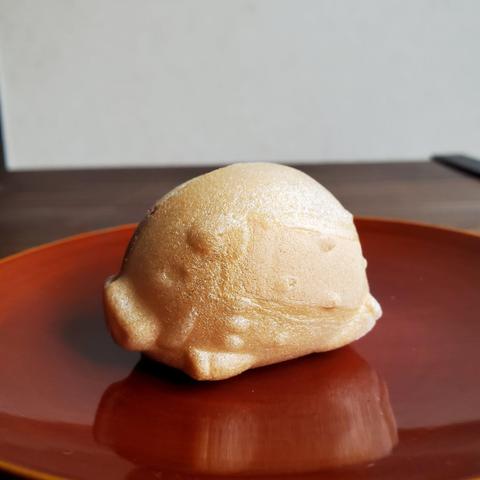
🐖PIG TO POT🍯
Some time from the Meiji period livestock farmers in what is now Aichi Prefecture were using incense to keep mosquitoes away from their animals.
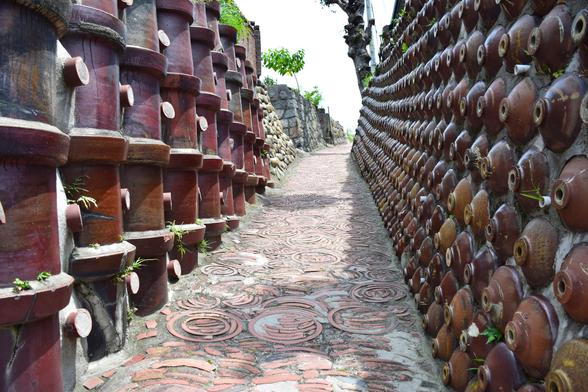
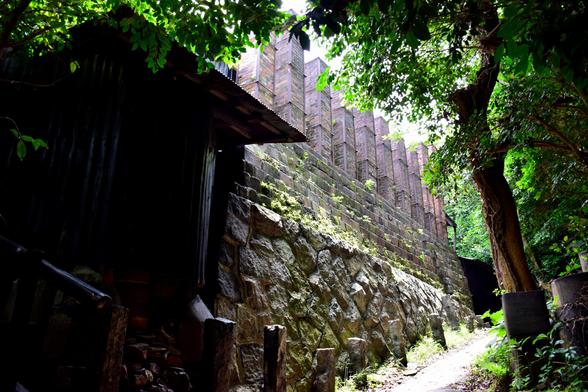
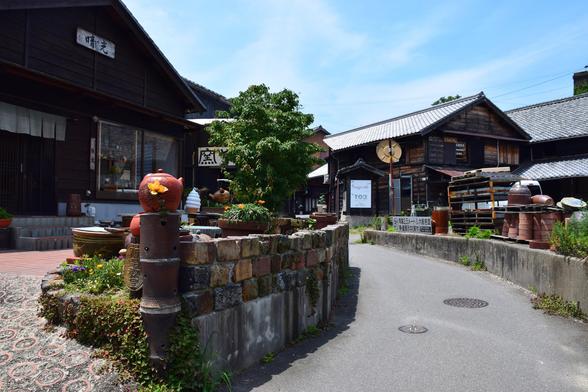
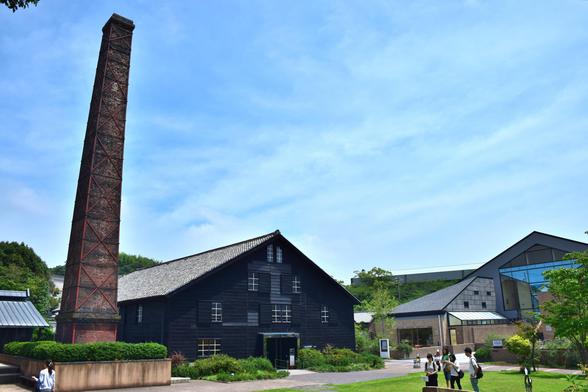
They placed the incense in old pots, readily available as the local town of Tokoname (常滑) produced pottery.
#Japan
As the wide mouth of the pots allowed the smoke to disperse too quickly (making it a poor mosquito repellant), a local potter suggested reducing the size of the opening.
When this was done the pot, in the famed Tokoname finish, looked remarkably like a pig!
A late Edo period item that looks similar to the kayari-buta was excavated in Shinjuku, leading some to believe that Tōkyō actually gave birth to the 'incense pig'.
Sawdust and leaves were burnt in saké bottles to make smoke. When laid on their sides the bottles looked like boars.
#蚊遣り豚 #Japan
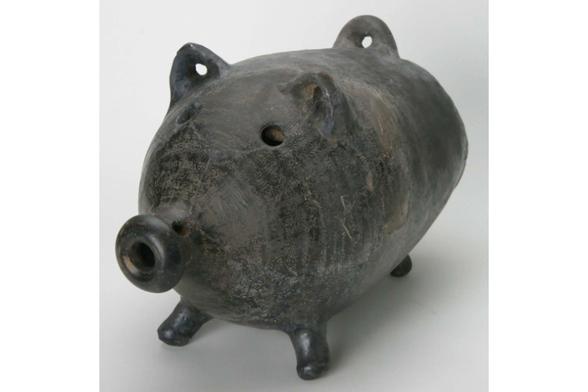
Whatever the origin of the kayari buta, and whether or not you believe in the effectiveness of katori senkō as a mosquito repellant, these pig-shaped pots are now intrinsically linked to that feeling of summer in Japan🌞🐖🥰
@camelliakyoto In Finland this is no more available. For decades people people here have used "spirals" to repel mosquitoes.
" The owner of the Off! brand, S C Johnson, has decided not to continue registering the product, as the product is only sold on the Finnish market..."
https://www.iltalehti.fi/asumisartikkelit/a/860d2629-2d93-4f03-bd8e-b8ad687cfe74
 Reima Mäkinen