 Ocellets i altres bestioles
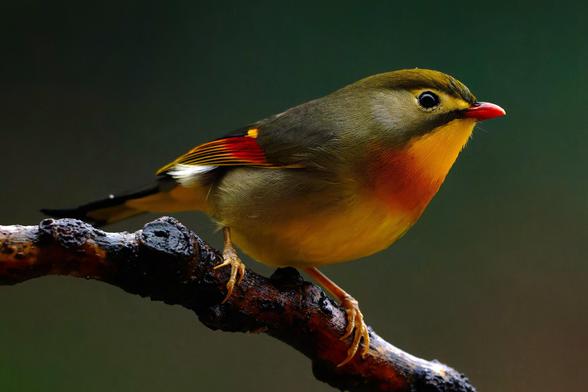
Els colors dels leiòtrix bec-roig (Leiothrix lutea) els díes de pluja són encara més saturats. Una preciositat d'ocell que tinc la sort de veure des de casa 😍😍😍 #leiothrixlutea #ocellsdecatalunya #ocells #birds #nature #naturephotography
62055 👁, 6868 🖼, 811 🔉, 51 🎬
💥▪〰〰〰▪✅▪▪▪▪▪▪▪🟢▪
🟦🟦⬜⬜🟦🟦🟦🟦🟦
🟦⬜⬜⬜🟦🟩🟩🟩🟦
🟩🟩🟩🟦🟧🟩🟩🟩🟩
🟧🟨🟨🟦🟧🟩🟧🟧🟧
🟨🟦🟩🟦🟩🟩🟨🟧🟦
🟦🟦🟩🟩🟦🟨🟦🟩🟩
🟦🟦🟩🟦🟦🟦🟦🟦🟦
🟦⬜⬜🟦⬜⬜⬜⬜🟦
⬜⬜⬜⬜⬜⬜⬜⬜⬜
A plump, brightly colored babbler of dense forest understory. The yellow-orange breast and red bill are distinctive. The tail feathers have a peculiar outward curve near the tip. The song is a somewhat disjointed series of melodious phrases; calls include harsh scolding, chattering, and a repeated “peter-peter”. Native to Asia, from the eastern China west to the Himalayas; introduced to Hawaii, Japan, Reunion Island, and parts of Europe.
Photographer: Marco Valentini
#RedbilledLeiothrix #LeiothrixLutea #Daily_eBird #Bird #Birds #DailyBird
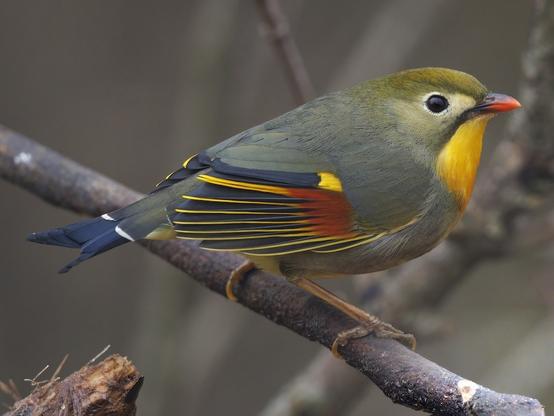
Rouxinol-do-japão (Leiothrix lutea). Índia.
Red-billed Leiothrix (Leiothrix lutea) in India.
By Jitendra Katre.

 Daily Bird
 Laura 🇵🇹