 The Style mix
How to Boost Insulin Sensitivity with Healthy Eating Tips: Simple Recipes
Did you know food can be as powerful as medicine for your health? How your body reacts to food is key for wellness.
This guide helps you change your daily life. It shows you how to make dietary choices that help your body. This is important for people with type diabetes.
Knowing how your body handles glucose is the first step. Eating whole grains, fatty fish, and fruits helps a lot. They are good for your overall health and managing diabetes.
We give you easy, doable tips. You’ll learn to choose the right foods for every meal. This keeps your blood glucose levels healthy, which is key for weight loss and insulin sensitivity.
Our advice is based on science. Expert Beverly Rodgers says a balanced diet is crucial. Adding exercise, like 150 minutes a week, fights insulin resistance and lowers blood sugar risks.
By using these tips, you can make your body more insulin sensitive. This leads to a healthier, more vibrant life. Let’s start with tasty recipes that are good for you.
Understanding Insulin Sensitivity and Its Impact on Your Health
Think of insulin as a key that unlocks your cells to receive vital energy.
Senior clinical dietitian Beverly Rodgers says insulin is like a delivery truck. It carries glucose cargo from your bloodstream into tissues, which is crucial for managing diabetes.
When this system works well, your body keeps energy levels stable. But, insulin resistance happens when cells don’t respond right. This increases the risk of type 2 diabetes.
Rodgers compares this to a truck with a flat tire. The glucose cargo can’t reach its destination, causing high blood glucose levels.
Many people feel hungrier or need to pee a lot. These signs mean your system is struggling with insulin sensitivity.
Your pancreas might make too much insulin to try to fix it. This can lead to metabolic syndrome over time, especially without a balanced diet.
Elevated levels often cause inflammation. This makes it hard for your whole system to work well, affecting your health and nutrition.
Improving how your body responds to insulin is key for long-term health. It helps prevent chronic conditions and metabolic issues by promoting better insulin sensitivity and healthy eating.
AspectNormal FunctionInsulin ResistanceGlucose UptakeEfficient cellular absorptionImpaired glucose entryPancreatic ResponseBalanced insulin productionOverproduction of insulinCommon IndicatorsSteady energy levelsIncreased hunger, frequent urinationSystemic EffectsMetabolic balanceInflammatory state, metabolic strainThe Science Behind Insulin and Blood Sugar Regulation
Insulin and glucose work together to manage your body’s energy. Insulin is like a traffic cop, moving sugar into cells. This is how your body gets the energy it needs.
When you have insulin resistance, your cells don’t listen to insulin. Your liver makes more glucose. This makes it hard to keep blood sugar levels stable. It also raises the chance of getting type 2 diabetes.
Keeping levels stable is key for your health. High blood sugar can harm nerves and organs over time. It affects your energy and focus, which is important for managing insulin resistance.
The way insulin and glucose work together affects how you feel all day. Eating foods rich in fruits and vegetables can help improve insulin sensitivity.
Knowing how insulin and glucose work helps you make better food choices. Eating foods that help your metabolism is easier when you understand these basics. It can lower your blood sugar and improve your health.
Cooking for Insulin Sensitivity: Simple Recipes
You don’t need to be a great cook to make meals that help with insulin levels. Beverly Rodgers, a clinical dietitian, says this is like eating to prevent heart disease.
The best strategy is to eat whole foods. These foods give you steady energy all day.
Choosing foods rich in nutrients helps your metabolism. Cutting down on sugar is a big step towards better health.
AspectTraditional ApproachSupportive ApproachPrimary FocusProcessed convenienceWhole, natural ingredientsKey IngredientsRefined carbohydratesFiber-rich vegetablesSugar ContentHigh added sugarsMinimal added sweetenersMeal GoalQuick satisfactionSustained energy balanceThese easy recipes are good for everyone. They make your kitchen a place for health and wellness.
Meal Planning and Grocery Tips for a Balanced Diet
Smart grocery shopping turns your pantry into a tool for better health. It’s especially helpful for people with diabetes and insulin resistance. A little planning can help your body stay in balance and lower the risk of diabetes complications.
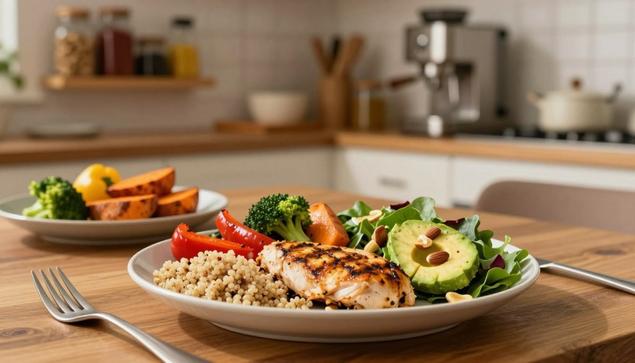
Beverly Rodgers gives a simple guide. She says to fill two-thirds of your plate with fruits and vegetables. They give you important nutrients and help your cells.
This includes whole grains, colorful fruits and vegetables, beans, nuts, and seeds. The last third should have lean protein.
This balance helps keep your blood glucose and insulin levels steady. It’s important for people with type diabetes and insulin resistance. It’s a simple way to make any meal better.
Plate SectionFood ExamplesKey BenefitsTwo-Thirds (Plants)Broccoli, quinoa, berries, beansProvides fiber, vitamins, stable blood glucose, and helps lower blood sugarOne-Third (Protein)Chicken, fish, tofu, lentilsSupports muscle, promotes satietyStart by choosing whole foods. Avoid processed foods that can raise your blood glucose.
At the store, pick vibrant fruits and vegetables. This variety gives your body the nutrients it needs to improve insulin sensitivity.
Managing Your Weight with Balanced Portions
Managing your weight gets easier with balanced portions. Planning meals ahead helps avoid unhealthy temptations. It also reduces the risk of type diabetes complications.
This method makes your diet sustainable and healthy. It turns your kitchen into a place for better health.
Choosing the Best Foods for Insulin Sensitivity
Scientific studies show a clear link between certain foods and metabolic health. What you eat greatly affects your body’s insulin sensitivity.
High amounts of fructose can make your liver insulin resistant in under 60 days. This sugar is found in many processed foods and sweet drinks.
Soluble fiber is very good for you. It feeds good gut bacteria, which helps your metabolism.
Eat more whole grains and legumes. They give you steady energy without causing quick glucose spikes.
Food TypeExamplesKey ReasonHigh-Fiber ChoicesOats, beans, berries, broccoliSlows glucose absorption, feeds gut healthNutrient-Dense ProteinsLentils, fish, tofuPromotes satiety, supports muscleFoods to LimitSoda, candy, white bread, fast foodHigh in fructose, low in nutrients, spikes sugarChoosing these foods helps your body manage blood sugar better. It’s a simple way to stay healthy for a long time.
Simple Cooking Techniques for Healthier Meals
How you cook food is as important as what you cook for metabolic wellness. Simple methods can make ordinary items, like fruits and vegetables, very healthy for you.
Roasting, steaming, and grilling are great choices. These methods keep nutrients without using unhealthy fats.
Cooking MethodBest ForMetabolic BenefitRoastingVegetables, lean proteinsEnhances natural flavors, no added oil neededSteamingBroccoli, fish, greensRetains maximum vitamins and mineralsGrillingChicken, peppers, zucchiniReduces fat content while adding smoky tasteHerbs and spices are your flavor friends. Turmeric, cinnamon, ginger, and garlic add flavor without salt or sugar. They help improve insulin sensitivity, which is key for managing insulin resistance.
Avoiding trans fats is very important for reducing insulin resistance. These bad fats can make your body‘s insulin response worse, increasing the risk of type diabetes.
Cooking meals yourself lets you control the ingredients. This ensures your diet is full of nutrients for better sensitivity. It helps people manage their blood glucose levels well.
These easy steps help keep your blood sugar stable. They reduce the risk of insulin resistance.
Recipes to Boost Insulin Sensitivity at Breakfast
Breakfast is more than just the first meal. It’s a chance to help your body. What you eat in the morning affects your body for hours.
Soluble fiber is very important. It feeds good gut bacteria. This makes your body more sensitive to insulin.
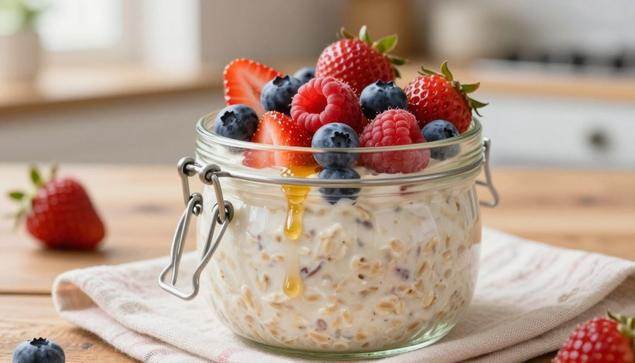
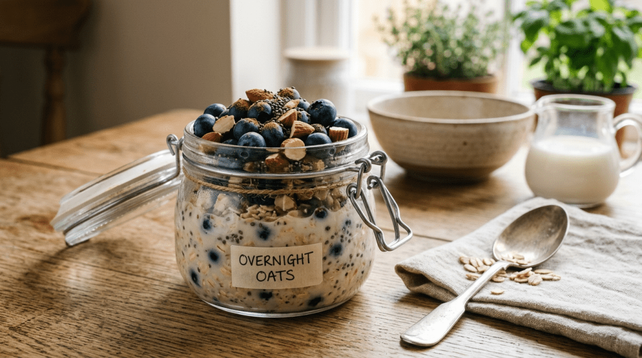
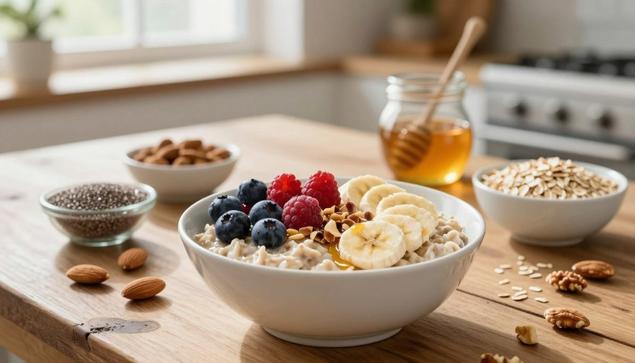
Eating oatmeal with fresh fruits is a tasty way to get this benefit.
Adding protein like beans or nuts helps keep blood sugar stable. This stops energy crashes and keeps you full.
These breakfasts release glucose slowly. They keep your insulin levels steady until lunch.
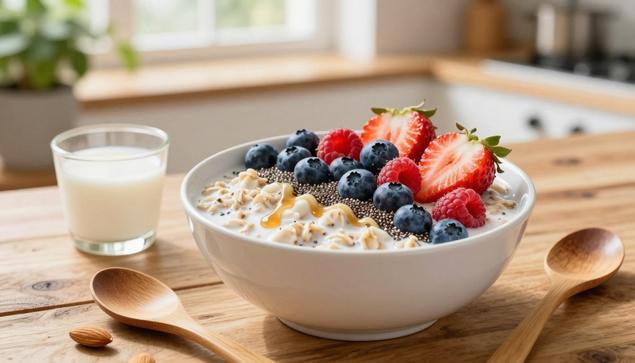
Breakfast IdeaKey IngredientsMetabolic SupportBerry & Chia OatmealOats, mixed berries, chia seeds, almond milkHigh fiber, antioxidants, slow glucose releaseSavory Black Bean ScrambleEggs, black beans, spinach, avocadoProtein and fiber combo for satietyGreen Power SmoothieSpinach, banana, plain yogurt, flaxseedNutrient-dense, supports gut healthAdding chia seeds or berries is a big help. They add fiber and antioxidants. This helps control blood glucose levels.
Choosing whole foods boosts your sensitivity to insulin. This lowers the risk of type 2 diabetes. It sets a healthy tone for the day.
Insulin-Sensitivity-Friendly Lunch and Dinner Ideas
Your midday and evening meals are great for boosting your metabolism. Choose foods that support your cells and overall health.
Pair lean proteins like chicken or fish with non-starchy vegetables. This keeps your insulin sensitivity high.
Include beans and legumes in your evening meals. They’re full of fiber that helps control blood sugar naturally.
Fruits and vegetables are full of antioxidants. These fight free radicals and reduce inflammation in your body.
Meal IdeaKey ComponentsMetabolic SupportGrilled Chicken SaladMixed greens, cherry tomatoes, avocado, grilled chicken breastLean protein, fiber, healthy fats for steady glucoseLentil & Vegetable Stir-FryBrown rice, lentils, bell peppers, broccoli, ginger saucePlant-based protein and fiber from beans, low glycemic impactBaked Salmon & Roasted VeggiesSalmon fillet, asparagus, sweet potato, olive oilOmega-3 fats, complex carbs, supports insulin sensitivityBalance your plate with protein and fiber. This helps manage glucose levels after meals.
These lunch and dinner ideas are satisfying and support your health. They help control blood sugar and improve sensitivity.
Managing Insulin Resistance with Weight Loss Strategies
Shedding a little weight can change your body’s chemistry a lot. Beverly Rodgers, a clinical dietitian, knows this well.
Losing just 10% of your body weight makes a huge difference in managing insulin resistance.
Beverly Rodgers, Clinical Dietitian
Too much belly fat makes it hard for insulin to work right. Fat cells around the belly release stuff that blocks insulin.
When you lose weight, your cells start to work better with insulin. This is key to treating it.
AspectSupportive Weight Loss ApproachIneffective ApproachPrimary StrategySustainable habit changeRapid, restrictive dietingBody Composition FocusLosing fat, maintaining muscleOverall scale weight onlyProfessional GuidanceSupervised by a doctor or dietitianNo medical oversightLong-term OutcomeImproved metabolic health and sensitivityPotential for weight regainGood weight loss plans are ones you can keep up. A pro can help you lose fat and keep muscle.
This keeps your metabolism strong and helps you succeed long-term. It also lowers your risk of serious diseases.
Always talk to your doctor before starting to lose weight. They can make a plan that’s right for you.
Lifestyle Changes to Enhance Insulin Sensitivity
Regular exercise is a top way to make your body better at using insulin. These changes help your health more than just what you eat.
Experts at MD Anderson say to do at least 150 minutes of moderate exercise a week. This makes your body more sensitive to insulin.
Working out with weights is especially good. It helps move glucose into your muscles without needing too much insulin.
Other lifestyle changes are important too. Better sleep and less stress also help your insulin sensitivity.
Activity TypeWeekly GoalKey Benefit for SensitivityAerobic Exercise150 minutesImproves cardiovascular health and insulin responseResistance Training2-3 sessionsBuilds muscle, directly lowers insulin resistanceFlexibility & BalanceDaily stretchesReduces stress, supports overall metabolic functionStick with routines for at least eight weeks. This leads to lasting improvements in blood sugar management.
Working out for 30 minutes, three to five days a week, helps most people right away. These lifestyle changes bring big benefits over time.
Expert Tips from Clinical Dietitians
Registered dietitians share tips to help your body manage glucose better.
Senior clinical dietitian Beverly Rodgers suggests a balanced plate. Eat lots of beans, colorful veggies, and lean proteins.
She says a diet good for insulin resistance is also good for your heart. This diet helps you feel better overall.
Experts say no single food is magical. Eating whole foods regularly makes your body more insulin sensitive.
Tracking your blood sugar and glucose levels is helpful. It shows how your body reacts to different foods.
For personalized advice, get help from a specialist. You can book an appointment at UT MD Anderson online or call 1-877-632-6789.
Tip CategoryExpert RecommendationCommon MisconceptionDiet FocusPattern of whole foods like beans and veggiesSeeking one “superfood” for a quick fixHealth MonitoringCheck blood sugar to understand personal responsesIgnoring glucose levels until symptoms appearProfessional SupportConsult a dietitian for a tailored planBelieving you must manage insulin resistance aloneLong-term ApproachSustainable habits enhance sensitivityRelying on short-term, restrictive dietsThis advice helps you face challenges. It improves your metabolic health and quality of life.
Overcoming Common Cooking and Diet Challenges
Starting a new diet can be hard, but small changes help a lot.
Many find it hard to keep up with a diet that boosts insulin sensitivity. Plan your meals with simple recipes to manage your glucose levels.
When you crave food, choose beans for fiber. They keep your blood sugar stable and hunger away.
Processed foods are a big problem. Cutting down on them helps lower insulin resistance and keeps your body working well.
Don’t rely on supplements. They should only be used with a doctor’s okay and not replace a balanced diet and exercise.
Make one small change at a time. This way, you keep improving your metabolic health and sensitivity to this important hormone.
Common ChallengeSimple SolutionMetabolic BenefitSticking to a new dietMeal prep with easy recipesSupports consistent insulin sensitivityManaging food cravingsSnack on high-fiber foods like beansStabilizes blood sugar and glucose levelsAvoiding processed itemsShop the perimeter of the grocery storeReduces insulin resistance triggersSeeking quick fixesFocus on whole foods, not supplementsPromotes long-term body healthConclusion
The path to better metabolic function is simple. It’s about taking small steps.
Improving your body‘s insulin sensitivity is a journey. It’s about eating right, exercising, and making lifestyle changes.
Eat whole foods and foods high in fiber like beans. This helps keep your blood sugar and glucose levels stable.
Even small changes can make a big difference. Losing 10% of your weight or exercising 150 minutes a week can help a lot.
Always talk to a healthcare professional before making big changes. They can help make sure the plan is right for you.
With the right knowledge, you can beat insulin resistance. This can lead to a healthier, more energetic life.
Disclaimer: The information provided in this blog is for educational and informational purposes only and is not intended as medical advice. We are not a medical professional, and the content shared here—including recipes, nutrition tips, and discussions related to insulin, blood sugar, or metabolic health—should not be used to diagnose, treat, cure, or prevent any medical condition.
Always consult with a qualified healthcare provider before making changes to your diet, medications, or lifestyle, especially if you have diabetes, insulin resistance, or any other health condition. Individual needs vary, and what works for one person may not be appropriate for another.
By using this site, you acknowledge that you are responsible for your own health decisions and agree that the author is not liable for any outcomes related to the use of the information provided.
#antiInflammatoryCooking #balancedBloodSugar #blog #DIY #eatingHealthy #glucoseControlTips #insulinResistanceSupport #insulinSensitivity #Lifestyle #Nutrition #type2DiabetesFriendlyMeals