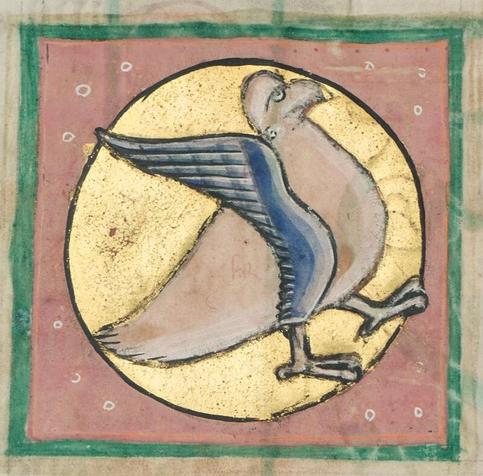
Another technique medieval illustrators used to produce the glow of a hercinia was to give it a gilt background as in this image from a 13th century Second Family English bestiary. #medievalbeasts#medievalmanuscripts#hercinia
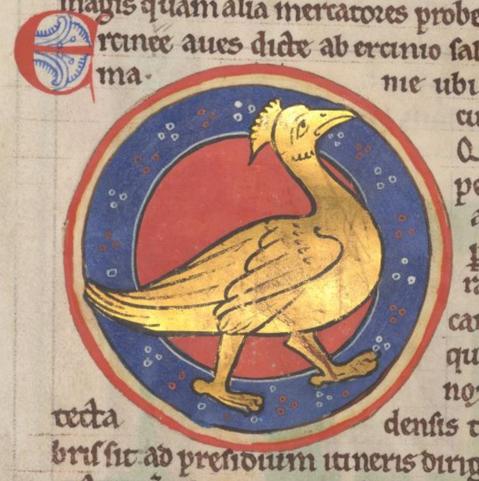
Medieval illustrators often used gilt (or white) to show the glow of a hercinia as in this lovely image from the Worksop Bestiary, c1185. #medievalbeasts#medievalmanuscripts#hercinia
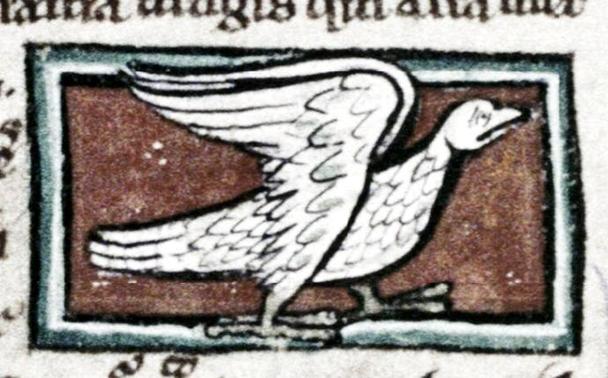
The medieval hercinia was said to act as a beacon in the dark because it glowed so brightly. This glowing hercinia is from a 13th century "Liber de naturis bestiarum". #medievalbeasts#medievalmanuscripts#hercinia
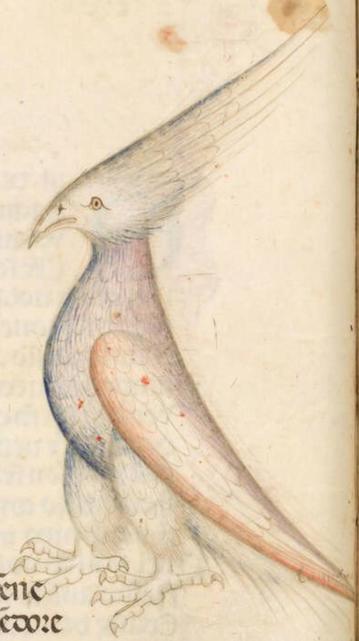
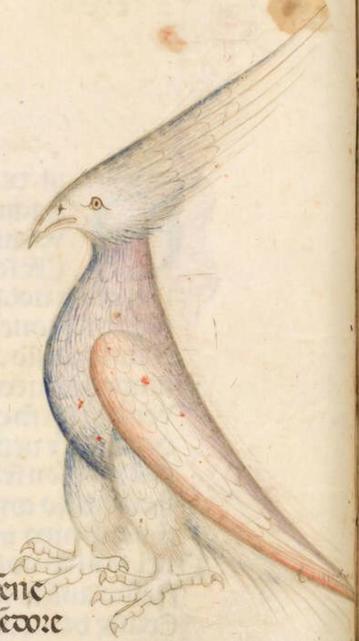
This week's medieval beast is the hercinia which is described as a bird with glowing feathers. This hercinia is from an early edition of "L'Acerba etas" by Cecco d'Ascoli (1257-1327). #medievalbeasts#medievalmanuscripts#hercinia
This week's medieval beast is the hercinia which is described as a bird with glowing feathers. This hercinia is from an early edition of "L'Acerba etas" by Cecco d'Ascoli (1257-1327). #medievalbeasts#medievalmanuscripts#hercinia
 JumblePublishing