 Biblians
In Jesus, your identity is rooted, unshakable, secure. 🔥
#biblians #bibliansapp #Jesus #identityinChrist #rootedinChrist #unstoppablefaith #secureinGod #graceandtruth

In Jesus, your identity is rooted, unshakable, secure. 🔥
#biblians #bibliansapp #Jesus #identityinChrist #rootedinChrist #unstoppablefaith #secureinGod #graceandtruth
When Heaven’s Plan Is Already in Motion
DID YOU KNOW
Did you know that when life feels out of control, God may be positioning deliverance in ways you cannot yet see?
In Exodus 1–3, the situation of Israel looks hopeless. Oppression increases, cruelty hardens, and the future appears sealed under the weight of Pharaoh’s power. Yet quietly, beneath political violence and human fear, God’s purposes are moving forward. A baby is born into danger, hidden in a basket, and set afloat on a river that seems more like a grave than a promise. But that very river carries Moses into the household of the ruler who ordered his death. What looked like vulnerability becomes divine strategy. The people suffering in Egypt have no idea that their future deliverer is being raised in the palace, educated, and prepared in ways no Hebrew slave could be. God’s ideas often grow in hidden soil long before they bloom in visible rescue.
This pattern speaks directly to seasons when we feel forgotten or overwhelmed. God’s activity is not limited to what we can track or understand. While Israel groaned, God was shaping a leader; while Moses felt displaced and uncertain in Midian, God was preparing a shepherd’s heart to guide a nation. The delay was not abandonment but development. Our lives carry similar mysteries. We may interpret a closed door, a relocation, or an uncomfortable season as interruption, but heaven may be arranging future usefulness. Trust grows when we remember that God’s ideas do not expire in hardship; they often take root there.
Did you know that God hears cries long before we see change?
Exodus 2:23–25 tells us that God heard Israel’s groaning and remembered His covenant. That does not mean He had forgotten before; it means He now acts in line with His faithful promises. This reveals something tender about God’s character. He is not indifferent to suffering, even when relief is not immediate. Between the cry and the deliverance stands a period of unseen preparation. When Moses encounters the burning bush in Exodus 3, the call of God intersects with the pain of the people. What Israel experiences as delay is actually divine timing aligning leaders, circumstances, and purpose.
This truth steadies the believer’s heart. Prayer sometimes feels like words disappearing into silence, yet Scripture insists they are received in heaven. God’s response may unfold through people, processes, or paths we would never have designed. The cry of Israel leads not merely to escape but to covenant renewal and a deeper revelation of God’s name. Our prayers, too, often lead to more than relief; they draw us into closer knowledge of who God is. The waiting period refines faith so that when deliverance comes, it deepens worship rather than merely solving problems.
Did you know that God’s greatest idea was not just rescue, but His own presence among us?
John 1 opens the curtain on a reality far older than Moses. “In the beginning was the Word… and the Word became flesh and dwelt among us.” Where Exodus shows God working through a chosen servant, John shows God stepping personally into human history. The law given through Moses revealed God’s holiness and guidance, but grace and truth come embodied in Jesus Christ. The movement of Scripture is from deliverance out of bondage to deliverance from sin itself. God’s idea expands from leading people through a wilderness to entering the wilderness of human experience. He does not shout instructions from a distance; He walks our roads.
This reveals the heart of redemption. The same God who heard Israel’s cry hears humanity’s deeper cry for restoration. In Christ, God bridges the distance between Creator and creation. Grace is not an abstract concept but a living person. When we struggle with doubt, shame, or fear, we are not reaching toward a remote deity but toward One who has shared our frailty. The story moves from God using a man to God becoming Man, guiding, healing, and redeeming from within our story.
Did you know that loving God is meant to be as wholehearted as the love songs of Scripture?
Song of Solomon 1:4 declares, “Let us rejoice and be glad in you; let us praise your love more than wine.” This poetic language may describe human love, yet it echoes the kind of delight God desires from His people. The Bible’s story is not only about law, deliverance, and doctrine; it is about relationship. From Israel’s cries to Christ’s coming, God’s actions aim at restoring communion. Love is not an accessory to faith but its center. When we see how persistently God pursues, rescues, and reveals Himself, affection becomes a natural response.
Our walk with God matures when duty grows into delight. Worship is no longer merely obligation but overflow. Just as the chorus in Song of Solomon speaks freely of joy, believers are invited into expressive gratitude. Recognizing God’s ongoing work in daily life awakens this love. When we notice His guidance in small decisions, His comfort in sorrow, or His provision in need, devotion deepens. Love fuels obedience, and obedience strengthens love, forming a cycle of joyful relationship.
As you move through your days, consider where God’s ideas might already be unfolding beyond your awareness. Reflect on cries you have offered and trust that heaven has heard. Remember that in Jesus, God has drawn nearer than we ever imagined. Let your response be not only trust but affection—an active, grateful love that shapes how you live, speak, and hope.
FEEL FREE TO COMMENT, SUBSCRIBE, AND REPOST, SO OTHERS MAY KNOW
#ChristianFaithJourney #Exodus13 #GodSPlan #graceAndTruth #John1 #MosesAndDeliverance #SongOfSolomon1


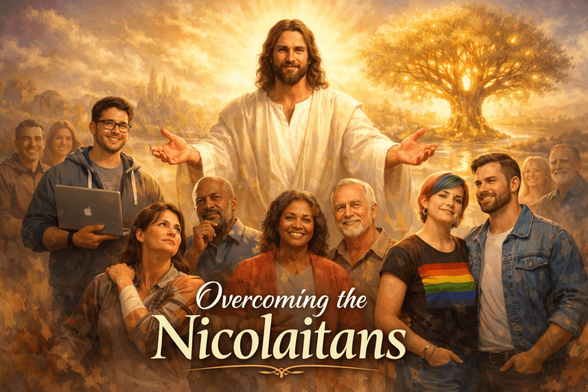
Overcoming the Nicolaitans
860 words, 5 minutes read time.
Revelation 2:6–7 (NIV) “But you have this in your favor: You hate the practices of the Nicolaitans, which I also hate. Whoever has ears, let them hear what the Spirit says to the churches. To the one who is victorious, I will give the right to eat from the tree of life, which is in the paradise of God.”I used to think the mention of the Nicolaitans in Revelation 2 was just a historical footnote. A strange name, a brief condemnation, and that was it. But the more I’ve lived and the more I’ve seen in the church, the more I realize this short verse is one of the most piercing warnings—and one of the most hopeful promises—in all of Scripture.
The Nicolaitans (likely meaning “conquerors of the people”) represent the spirit that seeks to lord it over God’s people instead of serving them. It shows up when leaders or systems silence gifts, control contributions, and push people into “safe” roles that fit the hierarchy rather than the needs of the body. It’s the voice that says, “You’re not good enough,” or “We already have someone for that,” even when your skills could serve the kingdom in powerful ways.
Modern-Day Targets of the Nicolaitans
This spirit isn’t stuck in the first century—it’s alive and well today. Here are some common ways it targets believers:
If you’ve felt targeted, know this: It’s not about your worth. It’s about a system that values control over Christ’s body.
I’ve felt that sting personally. As a web programmer, I’ve offered my gifts to churches—only to be gently (or not so gently) redirected to volunteer tasks that kept me on the sidelines. It hurt. It made me question my worth. And I know I’m not alone. Many of us have been made to feel like our talents don’t fit the approved structure.
But here’s the red meat of this passage: Jesus doesn’t stop at “I hate what they do.” He immediately turns to the promise to the overcomer.
The Nicolaitans are not the enemy we’re supposed to spend our lives fighting. They are the obstacle we’re called to overcome.
Jesus is saying: “I see the pain. I hate the control. I hate the rejection. Now rise above it. Don’t let their system define your calling. Don’t let their ‘no’ silence your gifts. Use what I’ve given you—whether inside the walls or outside them. Keep serving Me. Keep building. Keep loving. You are an overcomer. And the tree of life is waiting for you.”
Reflection Questions
Prayer
Lord Jesus, You walk among Your churches and You see everything. You know the pain of being sidelined, the sting of being told I’m “not good enough.” Thank You for hating what hurts Your people. Help me identify and overcome the Nicolaitan spirit in my life—whether it’s in a church system or in my own doubts. Give me courage to use the gifts You’ve placed in me, even if it’s outside the approved structures. May I stay faithful, keep my first love, and overcome—not by fighting people, but by trusting You. I look forward to the day I eat from the tree of life in Your paradise. In Your name, Amen.
Call to Action
If this devotional encouraged you, don’t just scroll on. Subscribe for more devotionals, share a comment about what God is teaching you, or reach out and tell me what you’re reflecting on today. Let’s grow in faith together.
Author’s Note:
The identity and exact teachings of the Nicolaitans remain debated among scholars. Some link them to moral compromise (sexual immorality and idolatry, as suggested by the “doctrine of Balaam” in Revelation 2:14–15), while others see the name as symbolic of hierarchical control and domination over God’s people. Regardless of the precise interpretation, the core issue is clear: Jesus hates anything that harms, controls, or leads His church astray. This devotional focuses on the spirit of exclusion and abuse of authority that still appears in churches today, while affirming that Christ calls all to repentance, grace, and overcoming through Him.
D. Bryan King
Sources
Disclaimer:
The views and opinions expressed in this post are solely those of the author. The information provided is based on personal research, experience, and understanding of the subject matter at the time of writing. Readers should consult relevant experts or authorities for specific guidance related to their unique situations.
#authoritarianChurch #BiblicalLeadership #biblicalUnity #ChristInTheChurch #ChristSPromise #ChristianBlog #ChristianEncouragement #churchAuthorityAbuse #churchControl #churchExclusion #churchHierarchy #churchHurtHealing #churchReform #churchRejection #clergyLaityDivide #creativeGiftsChurch #devotionalPost #diverseChurch #EphesiansChurch #EphesusWarning #eternalLifePromise #faithBlog #faithEncouragement #firstLoveRevelation #graceAndTruth #hateWhatJesusHates #inclusiveChurch #JesusHatesNicolaitans #kingdomGifts #LGBTInChurch #modernNicolaitans #NicolaitanPractices #Nicolaitans #overcomingChurchPain #overcomingNicolaitans #overcomingObstacles #overcomingSpirit #paradiseOfGod #PergamumNicolaitans #priesthoodOfBelievers #questionersInChurch #repentanceChurch #Revelation2 #Revelation267 #RevelationDevotional #servantLeadership #servantShepherd #sidelinedInChurch #spiritualAbuse #spiritualGifts #spiritualVictory #treeOfLife #usingYourGifts #victoriousChristian #webProgrammerMinistry #woundedBelievers
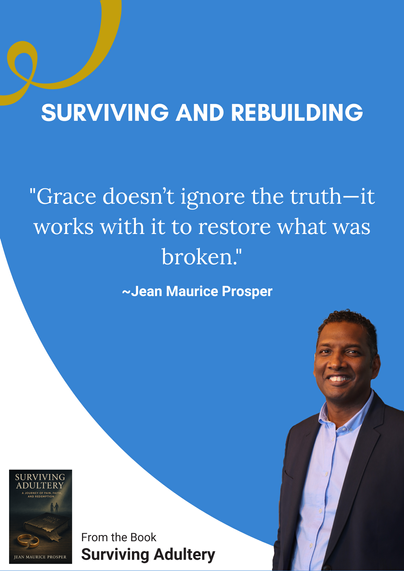
"Grace doesn’t ignore the truth—it works with it to restore what was broken."
— Chapter: Why This Book Had to Be Written
#GraceAndTruth #GospelHealing #MarriageMinistry
We often chase status and worth, forgetting the beauty in being small. This reflection, originally written in October 2022, is a gentle reminder that our true identity is not found in applause or achievements, but in Christ alone. I invite you to read and rest in the truth of being significantly insignificant—deeply loved, held, and chosen.
#FaithOverFear #ChildOfGod #ChristianReflection #GraceAndTruth #SignificantlyInsignificant #IdentityInChrist #SpiritualGrowth…
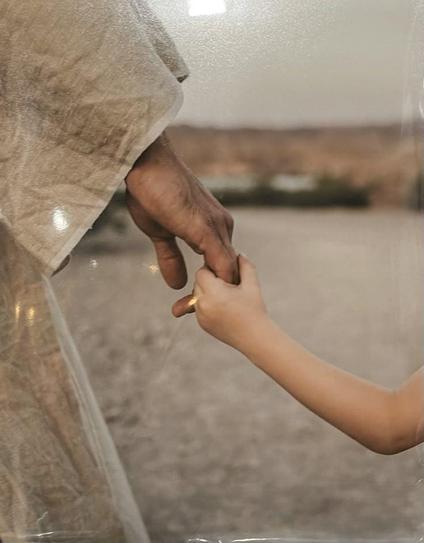

A heartfelt reflection on embracing insignificance to magnify God’s glory. Discover how our identity and worth are defined not by the world, but by being a beloved child of God.
How does being judgmental affect our Christian testimony? 🤔 Learn why fair judgment and embracing grace are crucial for sharing the gospel effectively. Discover more in our latest blog! #ChristianLiving #GraceAndTruth #FaithJourney
https://bdking71.wordpress.com/2024/08/10/are-we-hindering-our-testimony-by-being-judgmental/
 Intentional Faith
 Bryan King
 Praise the Lord
 Alive in Christ
 Mjomo
Mjomo Skelly
 Bryan King (W8DBK)