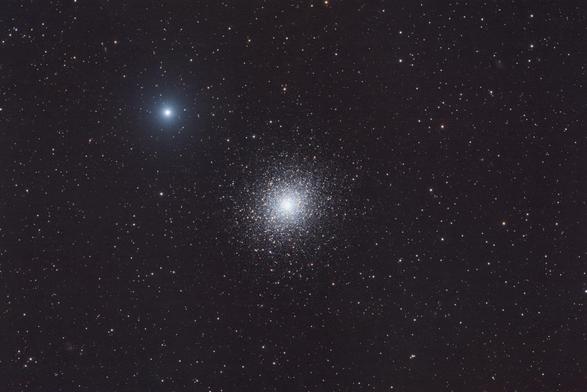
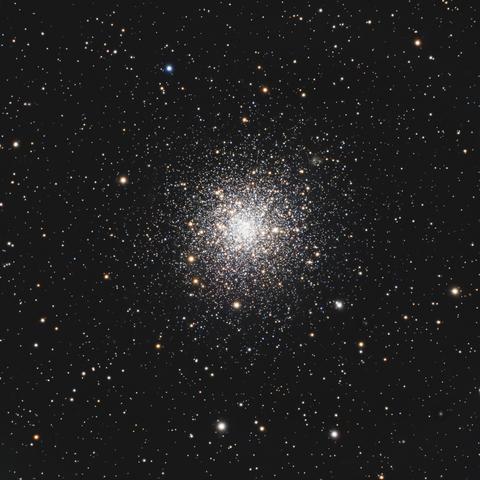
Messier 5, located in constellation Serpens, often does not get the attention of its more popular #GlobularCluster siblings such as M13. However it is a fine example (>100,000 stars! 🤩).

6" refractor w/mono CMOS camera. About ~70min each in R, G & B. Captured over 4 nights in late March and early April (as weather and equipment permitted).

#nlskies #nlastro
#Astronomy
#Astrophotography

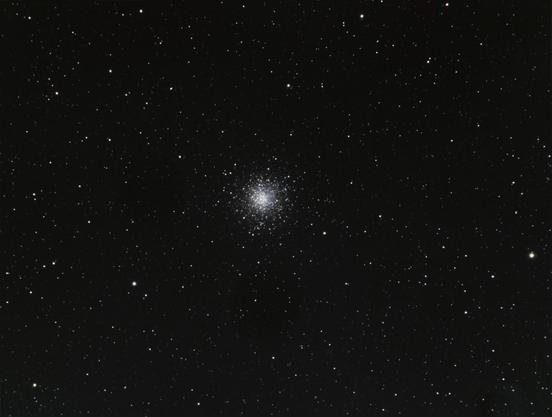
Messier 10 ist ein Kugelsternhaufen im Sternbild Schlangenträger, der im Jahre 1764 von Charles Messier entdeckt wurde. Seine Entfernung wird auf 25.000 Lichtjahre ge­schätzt, der wahre Durchmesser auf 140 Lichtjahre.

Aufnahmedaten
Kamera:
ZWO ASI 1600 MMP -18°, Gain 200
Optik: 102 mm Fluorit Apo bei f/7
Belichtung: L x 180 s, LRGB je 16 x 60 s
gesamte Belichtungszeit: 1 h 39 m
Korrekturen: Bias, Dark- und Flatframes
EBV: PixInsight, Fitswork, Photoshop
Aufnahmeort: Münster

#astronomy #astronomie #astrophotography #globularcluster #messier
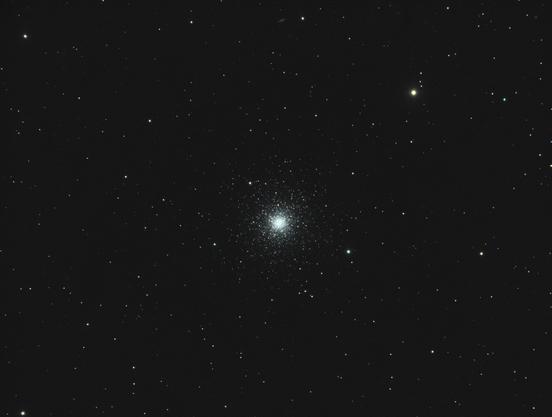
Messier 3 Globular Cluster

YouTube

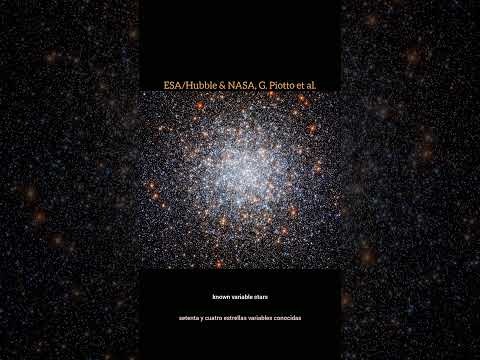
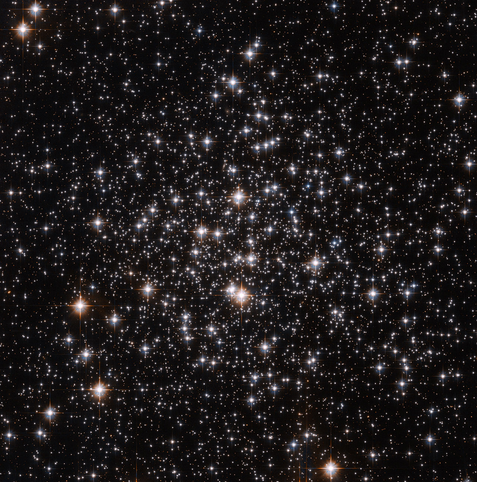
It might not have won my #GoldStar for our #constellation Sagitta (listen here for more https://starrytimepodcast.podbean.com/e/sagitta-cosmic-background/), but I'm always gonna celebrate a globular cluster!!!

This is Messier 71, it's located 13,000 LY from Earth & 27 LY across.

📷 :https://esahubble.org/images/potw1018a/

#astronomy #AstroDon #astrophotography #space #science #stars #GlobularCluster #Sagitta #Constellations

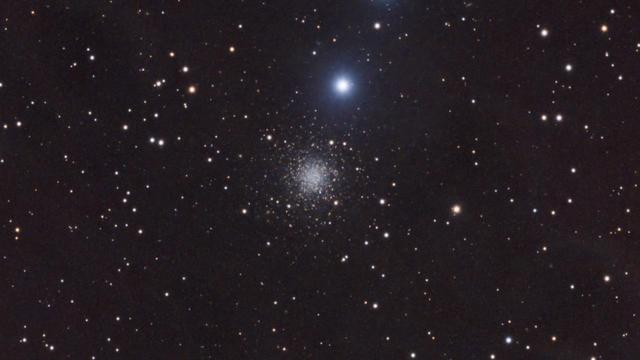
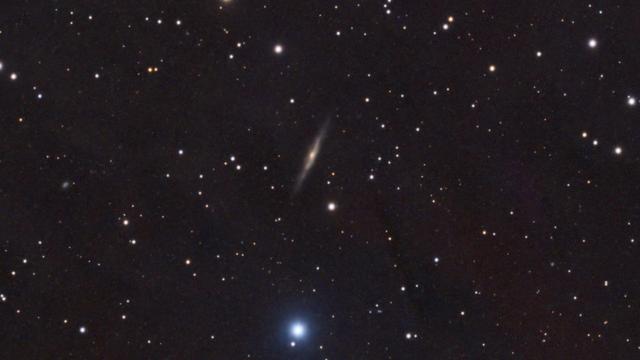
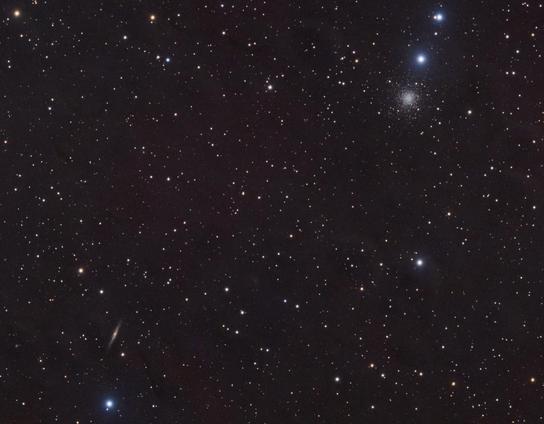
Continuing my journey to process images from data captured a year ago. This data captured late 2024 and January 2025.

In the upper right corner of the widefield view is #GlobularCluster NGC2419 (#Caldwell 25) - the "Intergalactic Wanderer". So called because it is well outside the Milky Way - it was perhaps yeeted out!

In the lower left corner is a small galaxy PGC21517. Surprised it does not have an NGC/IC designation (that I can find).

#nlskies #nlastro
#astronomy
#astrophotography
#yeet

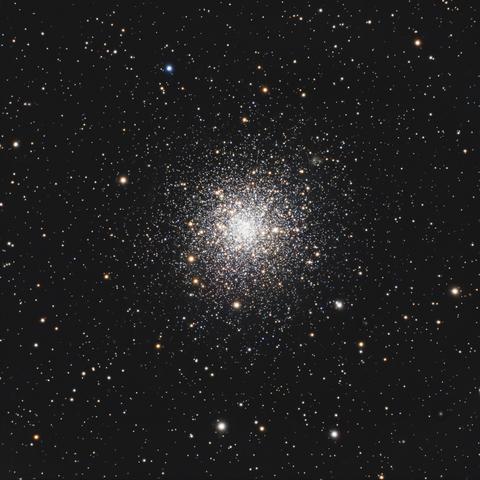
Noch befinden wir uns mitten im Winter, woran uns der Schnee mehr als deutlich erinnert. Am Sternenhimmel jedoch kündigt sich nach Mitternacht bereits der Frühling an. Eines der wenigen markanten Frühlingssternbilder ist der Bärenhüter (Bootes), dessen hellster Stern Arctur mit seiner orangen Farbe im Januar über dem Osthorizont auffällt.
Etwas darüber ist der Kugelsternhaufen Messier 3 bereits mit dem Fernglas sichtbar (Sternbild Jagdhunde), dessen Entfernung etwa 34000 Lichtjahre misst. Entdeckt wurde das Objekt 1764 von dem französischen Astronomen Charles Messier.
Am oberen Rand der Aufnahme ist ganz schwach die Galaxie NGC 5263 in Kantenlage erkennbar, die Wilhelm Herschel mit seinem Spiegelteleskop im April 1785 entdeckte. Ihre Entfernung wird auf 218 Millionen Lichtjahre geschätzt.

Aufnahmedaten
Kamera: ZWO ASI 1600 MMP bei -18°, Gain 200/Offset 29
Belichtung: L 39m, R 39m, G 36m, B 32m
Optik: 102/920 mm Fluorit Apo bei f/7 (#FL102S)
Korrekturen: Bias-, Dark- und Flatframes
EBV: PixInsight, Photoshop
Aufnahmeort: Münster

#astronomy #astronomie #astrophotography #globularcluster #messier

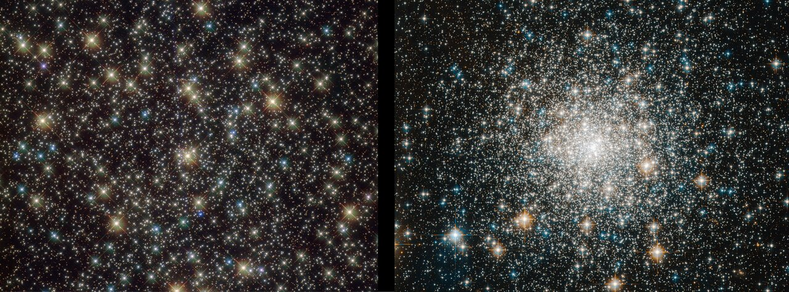
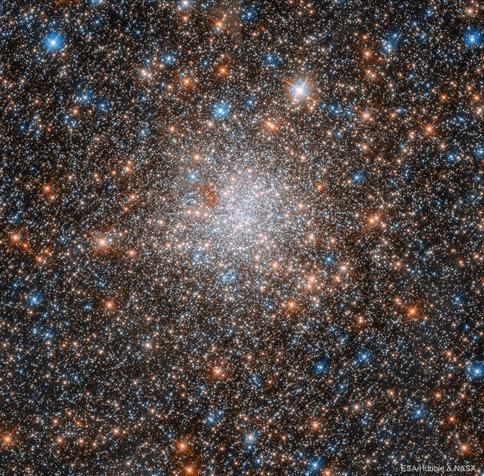
Did someone say -- MORE GLOBULAR CLUSTERS???

Well -- #Hubble heard you!

Here we have M70 (in the constellation Sagittarius) and NGC 3201 (in the constellation Vela)

📷 : https://esahubble.org/images/heic2602a/

#astrophotography #space #science #astrodon #astronomy #M70 #Sagittarius #Vela #stars #GlobularCluster #NASA #ESA