@evermorian

Seeing as you're making dice that are fighting the current situation in the USA right now, I think
this would be up your alley. https://stgiga.github.io/gigaware/TarouijaD120files.zip would be up your alley. It is a 3D model with OpenSCAD for tweaks, of a d120 but instead of the numbers 1-120, it has extended Tarot and extended Ouija as its symbols, via Unicode shenanigans, following this mapping https://www.reddit.com/r/d120Lists/comments/17mr2uv/d120_tarot_and_spirit_board/

Roll: Result
1: Ace of Spades

2: Two of Spades

3: Three of Spades

4: Four of Spades

5: Five of Spades

6: Six of Spades

7: Seven of Spades

8: Eight of Spades

9: Nine of Spades

10: Ten of Spades

11: Jack of Spades

12: Knight of Spades

13: Queen of Spades

14: King of Spades

15: Ace of Hearts

16: Two of Hearts

17: Three of Hearts

18: Four of Hearts

19: Five of Hearts

20: Six of Hearts

21: Seven of Hearts

22: Eight of Hearts

23: Nine of Hearts

24: Ten of Hearts

25: Jack of Hearts

26: Knight of Hearts

27: Queen of Hearts

28: King of Hearts

29: Ace of Diamonds

30: Two of Diamonds

31: Three of Diamonds

32: Four of Diamonds

33: Five of Diamonds

34: Six of Diamonds

35: Seven of Diamonds

36: Eight of Diamonds

37: Nine of Diamonds

38: Ten of Diamonds

39: Jack of Diamonds

40: Knight of Diamonds

41: Queen of Diamonds

42: King of Diamonds

43: Black Joker

44: Ace of Clubs

45: Two of Clubs

46: Three of Clubs

47: Four of Clubs

48: Five of Clubs

49: Six of Clubs

50: Seven of Clubs

51: Eight of Clubs

52: Nine of Clubs

53: Ten of Clubs

54: Jack of Clubs

55: Knight of Clubs

56: Queen of Clubs

57: King of Clubs

58: White Joker

59: Fool

60: Individual

61: Childhood

62: Youth

63: Maturity

64: Old Age

65: Morning

66: Afternoon

67: Evening

68: Night

69: Earth and Air

70: Water and Fire

71: Dance

72: Shopping

73: Open Air

74: Visual Arts

75: Spring

76: Summer

77: Autumn

78: Winter

79: The Game

80: Collective

81: 0

82: 1

83: 2

84: 3

85: 4

86: 5

87: 6

88: 7

89: 8

90: 9

91: A

92: B

93: C

94: D

95: E

96: F

97: G

98: H

99: I

100: J

101: K

102: L

103: M

104: N

105: O

106: P

107: Q

108: R

109: S

110: T

111: U

112: V

113: W

114: X

115: Y

116: Z

117: Yes

118: No

119: Hello

120: Goodbye

And in Unicode

๐Ÿ‚ก๐Ÿ‚ข๐Ÿ‚ฃ๐Ÿ‚ค๐Ÿ‚ฅ๐Ÿ‚ฆ๐Ÿ‚ง๐Ÿ‚จ๐Ÿ‚ฉ๐Ÿ‚ช๐Ÿ‚ซ๐Ÿ‚ฌ๐Ÿ‚ญ๐Ÿ‚ฎ๐Ÿ‚ฑ๐Ÿ‚ฒ๐Ÿ‚ณ๐Ÿ‚ด๐Ÿ‚ต๐Ÿ‚ถ๐Ÿ‚ท๐Ÿ‚ธ๐Ÿ‚น๐Ÿ‚บ๐Ÿ‚ป๐Ÿ‚ผ๐Ÿ‚ฝ๐Ÿ‚พ๐Ÿƒ๐Ÿƒ‚๐Ÿƒƒ๐Ÿƒ„๐Ÿƒ…๐Ÿƒ†๐Ÿƒ‡๐Ÿƒˆ๐Ÿƒ‰๐ŸƒŠ๐Ÿƒ‹๐ŸƒŒ๐Ÿƒ๐ŸƒŽ
๐Ÿƒ๐Ÿƒ‘๐Ÿƒ’๐Ÿƒ“๐Ÿƒ”๐Ÿƒ•๐Ÿƒ–๐Ÿƒ—๐Ÿƒ˜๐Ÿƒ™๐Ÿƒš๐Ÿƒ›๐Ÿƒœ๐Ÿƒ๐Ÿƒž๐ŸƒŸ๐Ÿƒ ๐Ÿƒก๐Ÿƒข๐Ÿƒฃ๐Ÿƒค๐Ÿƒฅ๐Ÿƒฆ๐Ÿƒง๐Ÿƒจ๐Ÿƒฉ๐Ÿƒช๐Ÿƒซ๐Ÿƒฌ๐Ÿƒญ๐Ÿƒฎ๐Ÿƒฏ๐Ÿƒฐ๐Ÿƒฑ๐Ÿƒฒ๐Ÿƒณ๐Ÿƒด๐Ÿƒต๐Ÿถ๐Ÿท๐Ÿธ๐Ÿน๐Ÿบ๐Ÿป๐Ÿผ๐Ÿฝ๐Ÿพ๐Ÿฟ๐™ฐ๐™ฑ๐™ฒ๐™ณ๐™ด๐™ต๐™ถ๐™ท๐™ธ๐™น๐™บ๐™ป๐™ผ๐™ฝ๐™พ๐™ฟ๐š€๐š๐š‚๐šƒ๐š„๐š…๐š†๐š‡๐šˆ๐š‰๐Ÿ‘๐Ÿ‘ŽโކโŽ‹

The first section of characters is the contents of the Playing Cards block in Unicode, minus Red Joker (white is kept) and Playing Card Back. So that means the 52 cards (jokers included) in an English/American deck of playing cards, plus Tarot's Knight cards, so 56 cards (and these are basically a graphical suit with the value above it, in a 12pt cell), plus the 22 cards in the Major Arcana, with "Fool" as XXII as is done on some decks. That section is rendered as a 12pt card with Roman numerals I through XXII with IX and XI having disambiguation dots. The naming I used for the cards is the
alias names Unicode gives the cards. So none of the "The Hanged Man" or the generic numbered-only names that Unicode gives as their official codepoint names. After that is Ouija's 0-9 and uppercase A-Z, using Unicode's Mathematical Monospaced characters (Courier) from Mathematical Alphanumeric Symbols block, in order to fit the 1800s playbill font commonly seen on Ouija boards, also 12pt. Now the next ones are the interesting ones. To represent Yes and No, I used the Thumbs-Up and Thumbs-Down emoji respectively, and the real interesting part is what I did for Hello and Goodbye. For those, I used two characters from the Miscellaneous Technical block, namely the Enter Symbol and the Escape Symbol, both seen on old Mac keyboards. The first one is a diamond with an arrow pointing inwards, and the second one is a circle with an arrow pointing outwards. The metaphor here is that "Hello" is entering a conversation, and "Goodbye" is leaving one, obviously with a spirit. And all this fills ALL 120 slots on a d120, with no empty or duplicate entries. A unique glyph for each side. The only fonts usable for this by the way are Unifont Smooth (bundled) or UnifontEX. No other font, even Unifont itself, has all the characters together, due to the fact that Hello and Goodbye symbols are in Plane 0, meanwhile the rest of the characters are in Plane 1 AND even include emoji, never mind that some fonts do not support the Major Arcana part of the Playing Cards block. So basically, you're stuck with these two forks of GNU Unifont, but UnifontEX is pixel and so is not exactly a fitting theme unless you're a hacker like I am. Plus, by a bout of sheer chance, ALL the characters after vectorization turned out fine (though White Joker's J is too skeletal in the loop), something that related characters (some of the other stuff in the same block as the thumbs up and thumbs down emoji didn't vectorize well) have trouble with. I was very pleasantly surprised that the emoji and the Roman numerals turned out fine. But ultimately this was a feat of engineering I did when I was bored from 2023 to nowadays.

Anyways, what makes this a compelling protest product is that it combines several things that fundamentalist Christians are very prone to hating. It takes Tarot cards and Ouija boards and shoves them onto dice that are literally divisible into an entire set of common and rare TTRPG dice, on top of the shape being a D&D d20 but divided into 6 triangles (putting a d4 on each face and then dividing by 2), a D&D d12 but divided into 10 triangles for each pentagon, as well as being a derivative shape of the d30 and d60. So basically, this "Tarouija" d120 combines multiple things that fundamentalist Christians consider "demonic" into one divination ritual item and thus is a great form of protest against the religious right. For the record I live in California. Hopefully this is interesting. Oh the OpenSCAD file needs the nightly build of OpenSCAD.
#dicemaking #dicemaker #dice #d120 #unicode #unifontex #tarotcard #tarotdecks #tarotcards #tarotcardsreading #ouijaboard #ouija #3d #3dp #3dprinting #3dprinter #spiritboard #majorarcana #fuckice #protest #unifont #openscad #scad #3dart #art #tech #technology #code #font #fontdev #fonts #3dmodel #3dmodeling #3dmodels #3dmodeled #computerscience #compsci #boredom #activism #ice
https://blog.emojipedia.org/new-earliest-emoji-sets-from-1988-and-1990-uncovered/

Apparently emoji are from 1988, not 1997 or 1999. Oh and even better, UnifontEX's emoji are the same 16x16 resolution as the original 1988 emoji set. You can get UnifontEX at
http://stgiga.github.io/UnifontEX

And yes, this means that my hypothetical UnifontEX video chip would have been mostly period-correct.
#observation #fontdesign #fontdev #opensource #linux #unifont #unifontex #codingfont #codingfonts #programmingfont #vscode #opentype #truetype #ttf #demographics #emoji #emojifont #emojiset #1980s #pixel #pixelemoji #pixelfont #pixelmoji #bitmapfont #bitmapfonts #bitmapemojis #bitmapemoji #16x16 #16px #retro
New Earliest Emoji Sets From 1988 & 1990 Uncovered

In 2019 Emojipedia detailed a historic revelation: Docomoโ€™s i-mode emojis from 20 years prior were not the first to exist. Now, in 2024, further digital excavations have led to the recreation of emoji designs that predate both Softbankโ€™s 1997 emoji set and the โค-enabled Pocket Bell pagers of 1995.

Emojipedia
I just released UnifontEX finally (and I made a logo for it)!

http://stgiga.github.io/unifontex

http://unifontex.sourceforge.io

Go have fun!
#opensouce #fontdev #fontdesign #font #unicode #coding #font
So what is the consensus on if you have combining accents in a monospace typeface... should they be zero width, or does EVERY glyph need to be the mono width? #fontdev

So I've heard overlapping components in a hinted TT font is a big No โ€” this comes up a lot in, for example, the `รง`, which usually has a `cedilla` component overlapping the `c` โ€” but I've never seen an issue caused by overlapping components! But maybe I haven't been paying close enough attention.

Does anyone have an example of when overlapping components caused some sort of rendering issue?

#TrueType #Hinting #fontdev

Question, should the x/y min/max values found in a #VariableFont <head> table only match the min/max values of the default instance (i.e. the font whose outlines are in the <glyf> table), or should it reflect the min/max values of the whole variable font (i.e. the extremes of the interpolation space)?

#fontdev

#fontdev question for everyone. Is the standard now to have the hhea values and the OS/2 values match?

I know it used to be common to have the OS/2 ascender value be the same as the value we but as the glyph dimension but this results in inconsistencies between mac and windows, right?

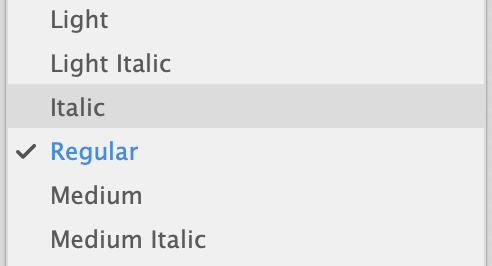
For some reason the Regular and Italic in the font I'm working on are in reversed order in Adobe apps, other weights perfectly fine... name tables are normal, pretty much the same as other fonts which are working, italic bits are set, all tests passing... any idea of other things to check?

#Adobe #fontdev

Can anyone whoโ€™s familiar with Designspace 5.0 tell me how I can get an upright master and an italic (oblique) master to generate a single variable font? It seems using <axis-subset /> itโ€™s an either/or situation.

#fontdev #variablefonts

Can someone please update me on CFF2? Is itโ€ฆ usable/stable? Can it be used realistically outside of Adobe apps? Any reason not to offer it to customers (alongside typical VF-TTFs of course)? Is it better to use AFDKO or FontMake for CFF2 fonts? Anything else I should know?

For some reason Iโ€™ve been sleeping on CFF2 fonts, would appreciate a schooling!

#font #engineering #fontdev #adobe #cff2 #variablefonts