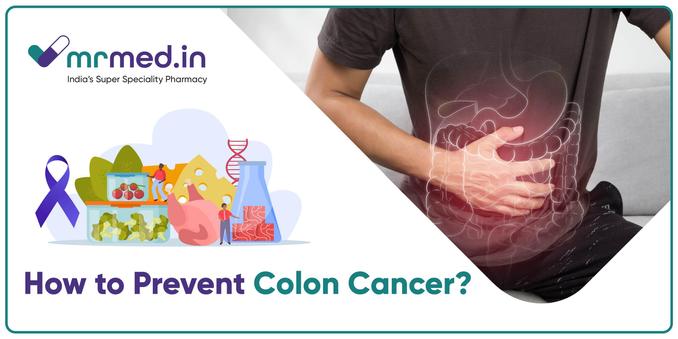
mrmedonlinepharmacy: Prevent Colon Cancer: Essential Diet Tips You Need to Know
Colon cancer is one of the most prevalent carcinomas worldwide, and diet plays a significant role in both its prevention and management. If you or someone you love has been diagnosed with colon cancer, you may wonder how food choices impact the condition. The connection between diet and colon cancer is strong, with certain foods either promoting or protecting against cancer growth. In this article, we’ll explore what to eat, what to avoid, and how to support your body during treatment.Can your diet really affect colon cancer?Yes, diet plays a crucial role in both the development and progression of colon cancer. Research shows that a healthy, well-balanced diet can reduce your risk of developing colorectal carcinoma and support your body if you are already battling the disease. Foods rich in antioxidants, fibre, and essential vitamins can help reduce inflammation, support immune function, and promote gut health.On the other hand, diets high in processed meats, unhealthy fats, and sugars can increase the risk of colon cancer and make it harder for your body to recover. Additionally, medications such as Comtripsy 20mg Tablet, which includes Trifluridine and Tipiracil, are often used in conjunction with dietary changes to manage cancer more effectively.What foods are good for colon health?Certain foods can play a protective role against colon cancer. Incorporating these into your daily meals may help reduce your risk or improve your body's response to treatment.
Leafy Greens: Veggies like spinach, kale, and broccoli are rich in fibre, antioxidants, and anti-cancer compounds. Spinach, in particular, has shown promise for colon cancer prevention because of its high content of chlorophyll and fibre. Including spinach for colon cancer support could help enhance digestive health and reduce inflammation.
Whole Grains: Foods like oatmeal, brown rice, and quinoa are rich in fibre. Fiber promotes healthy digestion, reduces constipation, and may lower the risk of colon cancer by helping your body eliminate toxins more effectively.
Fruits and Berries: Fruits such as apples and berries are packed with vitamins and antioxidants. Berries, especially, contain polyphenols, which may prevent cancer cells from multiplying.
Fish and Lean Protein: Lean proteins like fish, chicken, and legumes are great sources of protein without the risks associated with processed meats. Fatty fish like salmon also offer omega-3 fatty acids, which have been linked to anti-inflammatory benefits that may help protect against colon cancer.
What foods should you avoid if you have colon cancer?Certain foods can increase the risk of colon cancer or worsen existing symptoms. Cutting back or avoiding these can positively impact your health and improve your recovery.
Processed Meats: Items like bacon, sausages, and hot dogs contain preservatives such as nitrates, which are linked to a higher risk of cancer. These meats are also high in unhealthy fats that can affect your overall well-being.
Red Meat: While lean red meat in small portions might be okay occasionally, eating it too often has been associated with a higher risk of colon cancer. It's better to limit red meat and opt for healthier proteins like fish or plant-based options.
Fried and Fatty Foods: These types of foods can be difficult for your body to digest and may trigger inflammation in the digestive tract. Additionally, they contribute to weight gain, which is another factor that can increase the risk of colon cancer.
Sugary Foods and Drinks: Beverages and snacks high in sugar, like sodas and sweets, can cause insulin spikes, weight gain, and inflammation. These effects can make colon cancer symptoms worse and slow down your recovery process.
What are some colon cancer symptoms?Recognising colon cancer symptoms early can make a significant difference in treatment outcomes. Common symptoms include:
Presence of blood in the stool
Unintended or unexplained weight loss
Fatigue or weakness
Diarrhea or constipation
Abdominal pain or cramping
If you experience any of these symptoms, it's important to consult with a doctor for further evaluation.How can you maintain a healthy weight during treatment?Colon cancer treatment can sometimes lead to weight fluctuations, whether from treatment side effects or changes in appetite. Keeping a healthy weight is essential for supporting your body during this time. Eating smaller, frequent meals packed with nutritious foods can help you maintain energy without feeling overwhelmed by large portions.Healthy snacks like nuts, yoghurt, and fresh fruits are excellent choices for between meals. If you're struggling with nausea or lack of appetite, speak to a healthcare provider for suggestions on managing these issues effectively.Final thoughts While diet alone cannot prevent or cure colon cancer, it plays a critical role in reducing risk and supporting treatment. By focusing on a balanced meal rich in fibre, antioxidants, and lean proteins, you can help your body fight colon cancer and stay strong during treatment. Keep in mind that every individual’s dietary needs will differ, so always consult your doctor or nutritionist before making any substantial adjustments to your diet.Your health is in your hands; eating well is one powerful way to take control and support your body through this journey.
 News Upturn
 MrMed : Online Pharmacy