 Bunjin
 Unofficial PetaPixel Bot
These Are the Winners of the Huge, Annual $67,500 Photography Grant https://petapixel.com/2025/12/18/these-are-the-winners-of-the-huge-annual-67500-photography-grant/ #weugenesmithmemorialfund #humanisticphotography #weugenesmithgrant #weugenesmith #eugenesmith #Spotlight #Culture #News

 Valerie Dedo
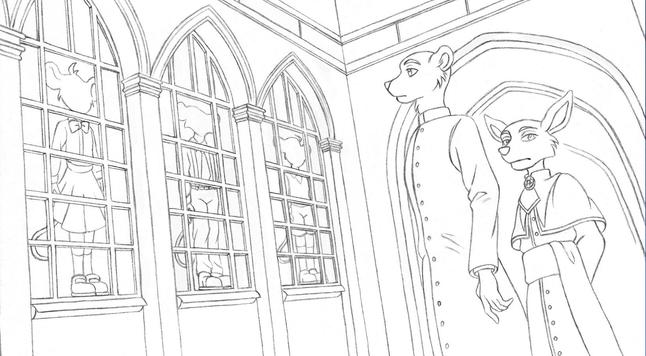
#valeriededo #mousetail #ceciliamaus #eugenesmith #williamnelson #raulmendelson #davidlangridge #digitalart #sketch #drawing #artistsonmastodon

 Tono Carbajo🍉
El vendedor de cuadros. Dos momentos del mismo personaje. Las fotos son del mítico reportaje que el fotógrafo Eugene Smith publicó en la revista Life en 1952 sobre Deleitosa (Cáceres)
#eugenesmith #spain #photography
#eugenesmith #spain #photography


 Gina Intheburg 🇺🇦 🌻 🥥🌴
So, does anyone know if they gave #EugeneSmith any sedatives or pain killers before they so barbarically executed him? Given the descriptions of how horrendous his death was, I'm guessing no. But I can't find anything on the Internet that confirms or denies they did or even gives any details about the process of his execution.
Looks to me #Alabama's hiding behind a screen of silence.
It's the Deep South, so not surprising if it's still operating with the brains & lack of humanity of slavers.
 Anime News
"Tomoko and Mother in the Bath."
A photograph taken by the American photojournalist Eugene Smith in 1971. It is considered his best work.
This black-and-white photograph shows a mother embracing her severely disfigured naked daughter in a traditional Japanese bathroom.
https://collections.artsmia.org/art/4677/tomoko-uemura-is-bathed-by-her-mother-w-eugene-smith
https://en.m.wikipedia.org/wiki/W._Eugene_Smith
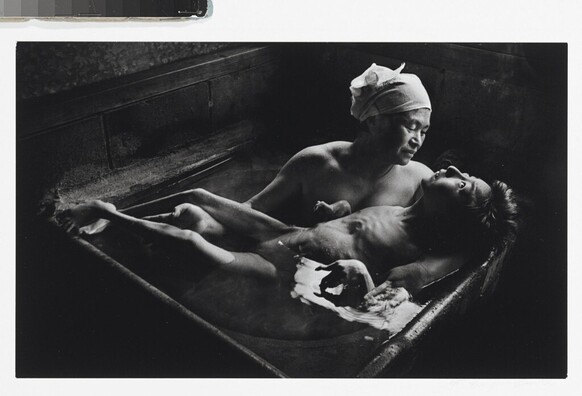

Tomoko Uemura is Bathed by Her Mother, Minamata, Japan, W. Eugene Smith ^ Minneapolis Institute of Art
One of the most well-known photojournalists in the 20th century, Eugene Smith, with his wife at that time Aileen, took this photograph of Tomoko Uemura bathed by her mother, Ryoko. Tomoko was severally disabled, as a result of mercury poisoning, through her mother who ate fish caught in the nearby bay, contaminated by industrial wastewater from a chemical factory. The Smiths lived in a small fishng village in Southern Japan for four years, and documented the human victims and the natural environments destroyed by industrial pollution. This photograph was carefully posed and lit by the photographers to create a composition similar to that of Michelangelo's Pietà a sculpture in which Mary holds the dead body of her son Jesus. The Smiths created the photograph as a tool to raise the public's awareness of mercury poisoning and to help the victims’ fight against the polluting corporation and ultimately the Japanese government.