 Planet Pulse
Understanding Land Degradation: Causes and Solutions
Land is the foundation of human existence as it feeds us, protects our ecosystems, regulates water, stores carbon and provides space for society to thrive. However, this resource is depleting at an alarming rate all throughout the planet. Land degradation, formerly considered a local agricultural concern, is now regarded as a worldwide environmental crisis affecting billions of people.
According to the Intergovernmental Panel on Climate Change (IPCC), land degradation affects approximately a quarter of the Earth’s ice-free land area, with 1.3-3.2 billion people living in degraded places.
This article provides an understanding of what land degradation is, why it occurs and how it affects both environment and society.
In this ArticleWhat Is Land Degradation?
Land degradation is the long-term decline of the land’s ability to offer ecosystem services such as food production, water purification, carbon storage and biodiversity support. The UN Convention to Combat Desertification (UNCCD), describes it as a decrease or loss of biological or economic productivity in farmland, rangeland, forest or woodland.
Degraded land loses fertility, stability and the ability to support life. This means that soil may erode, vegetation may be lost and water runoff instead of soaking into the earth. Over time, this creates a downward spiral because when land becomes less productive, people frequently increase land use, such as ploughing more, grazing more or clearing more forest, which can accelerate degradation even further.
Globally, up to 40% of the world’s land is now degraded, affecting more than 3 billion people.
Types of Land Degradation
Land degradation is not a single process, but a series of interconnected processes. The most common types are:
Causes of Land Degradation
Land degradation has many causes both human and natural:
Human Drivers
Human activities are the dominant force behind land degradation. Key human causes include:
- Unsustainable Agriculture: Monocropping, excessive tilling and overuse of chemical fertilisers degrade soil structure and fertility. Also, overgrazing compacts soil and removes protective vegetation.
- Deforestation: Removing forests for agriculture or development eliminates root systems that stabilise soil. Without tree cover, rainfall strikes the ground with increased power, increasing erosion.
- Poor Irrigation Practices: Inefficient irrigation leads to salinisation and waterlogging.
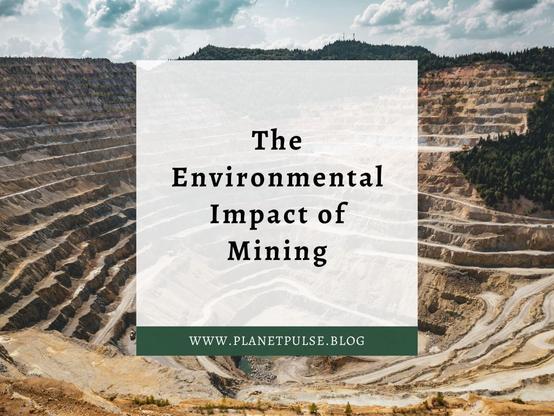
- Mining Activities: Mining exposes soil, releases pollutants and leaves behind infertile land, which leads to land degradation.
- Urban Expansion: Cities convert fertile land into impermeable surfaces. This reduces natural water absorption and fragmenting ecosystems.
Natural Drivers
Although human actions are dominant, natural causes also contribute towards land degradation, for instance:
- Droughts and Extreme Weather: Climate change is increasing the frequency and intensity of heavy rainfall, heatwaves and droughts, all of which accelerates land degradation.
- Natural soil erosion: Wind and water naturally shape landscapes, but human disturbance amplifies these processes.
- Wildfires: Some fires are natural, but climate change and land mismanagement make them more destructive.
Environmental and Social Impacts
Land degradation has far‑reaching consequences that extend beyond the land itself.
- Reduced Agricultural Productivity: Degraded soils produce lower yields, which threatens food security. The UN estimates that 30% of global land is degraded, reducing the land’s ability to support agriculture.
- Biodiversity Loss: As habitats deteriorate, species lose their homes. Forest degradation and soil decline disrupt entire ecosystems.
- Water Scarcity: Degraded land loses its ability to store and filter water, increasing runoff and reducing groundwater recharge. This contributes to water scarcity in many regions.
- Climate Change Feedback Loops: Degraded soils release stored carbon, contributing to greenhouse gas emissions. Climate change then intensifies degradation through extreme weather, creating a dangerous feedback loop.
- Economic Losses: Land degradation threatens almost half of global GDP, or an estimated $44 trillion in economic value, because so many businesses rely on healthy land and ecosystems.
- Social Instability and Migration: As land becomes unproductive, communities may face poverty, displacement and conflict over the remaining resources.
How Climate Change Accelerates Land Degradation
Climate change is not only a result of land degradation, but also a major driver of it. Global warming has led to more frequent and intense heavy rains, heatwaves and coastal erosion due to sea-level rise. These climate stresses intensify existing degradation processes and initiate new ones in vulnerable areas.
More heavy rainfall causes soil erosion, removing fertile topsoil. Rising global temperatures cause higher heat stress and evaporation, resulting in droughts that dry out soils, diminish vegetation cover and makes landscapes more vulnerable to wind erosion and wildfires. Rising sea levels cause coastal floods and salinisation, negatively impacting farming and wetlands.
Climate change is causing degradation in many locations that were formerly unusual or absent. Thawing permafrost in the Arctic can undermine ground surfaces, release greenhouse gases and turn frozen landscapes into crumbling, soggy terrain.
Overall, climate change serves as a force multiplier, worsening existing land degradation and spreading it to new areas, making restoration and sustainable land management more critical.
Solutions and Prevention Strategies
Regardless of the severity of the problem, land degradation is both preventable and in many cases, reversible. Effective initiatives integrate sustainable land management and climate-resilient techniques. Conservation agriculture, agroforestry, terracing and managed grazing are all techniques that help to repair soil structure and decrease erosion. Reforestation and grassland regeneration help to sustain landscapes and retain more water.
Apart from this, desertification is reduced in drylands through techniques such as drought-tolerant crops, rainwater collecting and sand-dune stabilisation. Also, improving irrigation efficiency and drainage reduces salinisation, while lowering chemical inputs and encouraging organic amendments improves soil health. Integrated land-use planning, protected areas, and community-led stewardship promote sustainable ecosystem management.
Together, these approaches demonstrate that with the right policies, technologies and local engagement, degraded land can recover and continue to support people and nature.
Global Frameworks Addressing Land Degradation
Several international agreements aim to combat degradation, such as:
- The United Nations Convention to Combat Desertification (UNCCD): The key worldwide accord on land degradation.
- Land Degradation Neutrality (LDN): A global goal to balance degradation and restoration.
- Sustainable Development Goal 15: Life on Land: Protects ecosystems while also rectifying land deterioration.
These frameworks encourage countries to implement sustainable land management and restoration initiatives.
Conclusion
Land degradation is one of the most urgent environmental issues today as it threatens food security, biodiversity, water supplies and climate stability. However, this is a problem that we can solve. Degraded land may be recovered via sustainable land management, strong regulations, community engagement and global cooperation.
This means that understanding the causes and consequences of land degradation enables us to take significant steps toward a healthier, more resilient planet.
Related Posts
#Biodiversity #ClimateChange #Desertification #EnvironmentalImpacts #LandDegradation #SoilErosion #SoilSalinisation #Urbanisation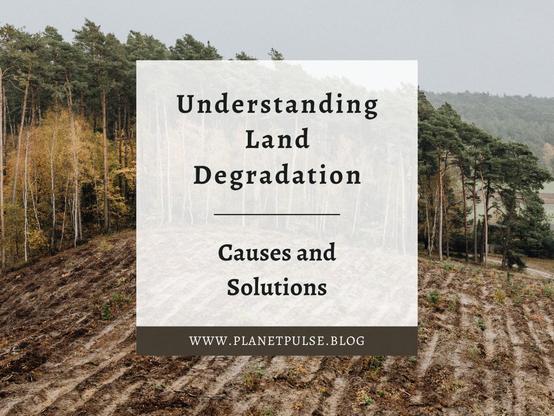
 ABC Feeds

 Global News Lethbridge