 Papers We Love
Andrew Turley on The Relationship Between COBOL and Computer Science (2017)
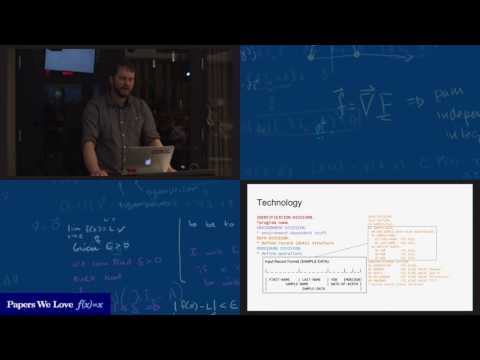
Andrew Turley on The Relationship Between COBOL and Computer Science (2017)
Incredible project by @textfiles
If you are doing research about the early days of consumer computing, Jason is scanning and uploading essential material for you: a large collection of Computer Shopper issues. See his post at
http://ascii.textfiles.com/archives/5543
Please boost so this info reaches the right people
#computerhistory #computersciencehistory #history #scanning #computershopper
My wife is at the gym. As it's only an hour long class, wait to take her back home. While I wait, I read. Today, continuing Chapter 4 of "Where Wizards Stay Up Late: the origins of the internet" by Katie Hafner. A fascinating book.
#BooksOfMastodon #InternetHistory #computerScienceHistory #KatieHafner #whereWizardsStayUpLate

Joseph #Weizenbaum in Sendungen des RIAS 1985 + 87 :: https://www.deutschlandfunkkultur.de/weizenbaum-100.html
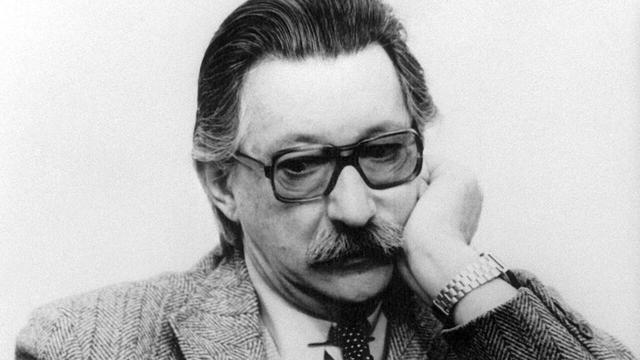
Er entwarf das erste Computer-Sprach-Programm namens ELIZA. Doch dann war Joseph Weizenbaum entsetzt darüber, wie ernst viele Menschen dieses relativ einfache Programm nahmen, und wurde zum Kritiker der gedankenlosen Computergläubigkeit.
 Ars Technica News
 Harvey Sandstrom
 Tristan Louis
 dodothedev

 Matthias MProve