undefined | Well-timed bets on Polymarket tied to the Iran war draw calls for investigations from lawmakers by The Associated Press

Well‑timed wagers on the prediction‑market platform Polymarket have sparked a fresh wave of congressional scrutiny. In the hours before President Donald Trump announced a U.S.–Iran cease‑fire on social media, at least fifty brand‑new Polymarket accounts placed large bets on that outcome – the only trades those accounts made. Similar episodes have occurred before, including a $400,000 profit in January when an anonymous user bet on Venezuelan leader Nicolás Maduro’s removal just hours before his capture, and a roughly $550,000 series of trades placed minutes before the start of the Iran war that effectively wagered on a U.S. strike and the ouster of Ayatollah Ali Khamenei. Researchers at Harvard have estimated that insiders may have earned as much as $143 million on Polymarket by exploiting non‑public information ranging from celebrity engagements to the Nobel Peace Prize.

Lawmakers are now demanding a formal probe. Rep. Ritchie Torres, a member of the House Financial Services Committee, sent a letter to the Commodity Futures Trading Commission urging it to investigate the pattern of “material nonpublic information” that appears to have guided these winning bets. Sen. Richard Blumenthal likewise asked Polymarket to explain why it continues to allow trades on war‑related events, warning that the platform could become a “honeypot” for foreign intelligence. Both Democrats and Republicans have expressed alarm, and at least two bipartisan bills – one in the House and one in the Senate – are moving forward to curb such prediction‑market activity.

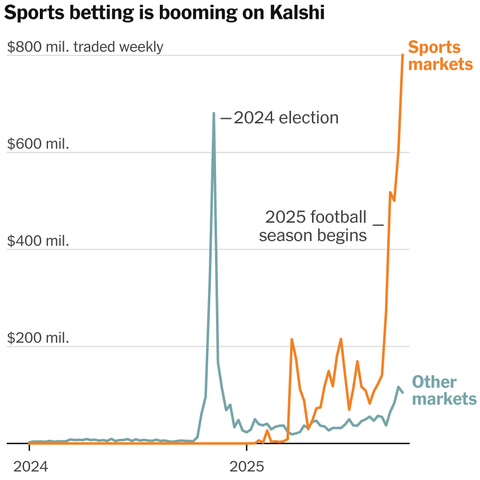
Polymarket, which was banned from U.S. residents in 2022, is attempting to re‑enter the market by acquiring a CFTC‑licensed exchange and clearinghouse, creating a legal pathway for domestic contracts. The bulk of its activity now occurs on an offshore, crypto‑based platform outside U.S. jurisdiction. It faces stiff competition from Kalshi, a regulated U.S. prediction‑market firm seeking dominance in both event‑based contracts and the lucrative sports‑betting sector. Political ties add another layer of complexity: Donald Trump Jr. is an investor in Polymarket through his venture firm 1789 Capital and also serves as a paid strategic adviser to Kalshi, underscoring the high stakes as both companies vie for regulatory approval and broader market acceptance.

Read more: undefined

#polymarket #housefinancialservicescommittee #commodityfuturestradingcommission #ritchietorres #kalshi

undefined | Rep. Ritchie Torres calls for probe into futures trades placed ahead March pause on Iran hostilities

Rep. Ritchie Torres, a Democrat from New York, sent a letter to the chairs of the Securities and Exchange Commission and the Commodity Futures Trading Commission urging a formal investigation into a spiking wave of oil and equity‑futures trades that occurred just minutes before President Donald Trump announced a five‑day pause on attacks against Iran’s energy infrastructure in March. Torres highlighted that, in the 15‑minute window preceding the announcement, traders executed more than $500 million of crude‑oil futures contracts—an activity he described as “statistically impossible” without insider knowledge. He argued that the timing, scale and lack of hedging indicated the trades were likely the result of insider information rather than normal market behavior.

The SEC declined to comment while the CFTC did not immediately respond to requests for comment. Reuters reported that a massive surge in futures‑trading volume was observed in the minutes before Trump’s announcement, with the price‑prediction market platform Polymarket also showing abnormal betting activity that anticipated a decline in oil prices and a rebound in equities. In his interview, Torres said the episode could be “one of the largest instances of insider trading in history,” and urged both agencies to coordinate in obtaining comprehensive trading records. He noted a lack of confidence in the regulators’ ability to police such activity, but stressed the necessity of “agitating for accountability” to prevent regulators from turning a blind eye.

Torres’ call for a probe follows earlier efforts to curb potential insider trading on prediction‑market platforms. Earlier this year he introduced legislation that would bar federal officials, congressional staff and political appointees from buying or selling event contracts on platforms like Polymarket when they possess material nonpublic information. The bill, which has 42 Democratic co‑sponsors, is unlikely to pass in the current Republican‑controlled House but reflects growing bipartisan concern. Recent letters from a group of House Democrats have also questioned the CFTC’s oversight of offshore prediction markets, citing high‑profile cases tied to U.S. government actions in Venezuela and Iran as evidence that existing regulatory frameworks are insufficient to police these fast‑growing markets.

Read more: undefined

#ritchietorres #securitiesandexchangecommission #commodityfuturestradingcommission #iran

undefined | House Democrats call on federal regulator to crack down on offshore prediction market war bets

House Democrats have sent a letter to Commodity Futures Trading Commission (CFTC) Chair Michael Selig demanding an explanation for the agency’s failure to curb offshore prediction‑market wagers on war and other government actions. The legislators, led by Reps. Jim McGovern and Seth Moulton, point to high‑profile cases of alleged insider trading tied to events such as the ouster of Venezuelan President Nicolás Maduro and the U.S.–Israeli strike on Iran, arguing that the CFTC’s existing rules and the Commodity Exchange Act give it clear authority to police such activity, including swaps that have a “direct and significant connection” to U.S. commerce.

The letter highlights the rise of platforms like Kalshi, a U.S.‑based exchange that claims to prohibit controversial bets, and Polymarket, an offshore service that has hosted headline‑making contracts despite limited U.S. access. Both firms have recently introduced self‑imposed safeguards against insider trading, but Democrats contend that more robust federal oversight is needed, especially for overseas trades that affect U.S. markets. The lawmakers also query whether the CFTC has been made aware of potential conflicts of interest involving market participants and members of the executive branch, noting that Donald Trump Jr. serves as an investor and unpaid advisor to Polymarket and as a strategic advisor to Kalshi.

In parallel with the CFTC inquiry, Congress is drafting a wave of bills designed to tighten regulation of prediction markets, ranging from measures that specifically target insider‑trading risks to broader proposals that would ban event contracts related to sports, government actions, and warfare. The CFTC has recently sued several states—Arizona, Illinois and Connecticut—over their attempts to regulate these platforms, asserting that such authority belongs to the federal government. Democrats are pressing for a swift response from Selig by mid‑April, warning that unchecked “corrupt trades” threaten market integrity and public confidence.

Read more: undefined

#housedemocrats #commodityfuturestradingcommission #nicolásmaduro #donaldtrumpjr

Is crypto an opportunity or a threat?

Crypto innovation has some valuable features but the proliferation of private digital assets has widened the gap between private and social interests.

The Japan Times

Is Sports Betting Illegal in Your State? Not if You Call It a ‘Prediction Market.’

https://fed.brid.gy/r/https://www.nytimes.com/2025/10/05/upshot/sports-betting-prediction-markets.html

Binance war nur der Anfang: US-Behörden greifen durch!

Die Einigung mit der Online-Kryptobörse Binance und das Verfahren gegen FTX stellen laut den US-Behörden erst den Anfang der Verfolgung dar.

Tarnkappe.info
Binance und Changpeng Zhao: Antrag auf Abweisung von CFTC-Klage geplant

Die Kryptobörse Binance und ihr Gründer und CEO Changpeng Zhao wollen einen Antrag auf Abweisung einer CFTC-Klage stellen.

Cointelegraph