
#Linux #kernel 7.0.0-14-generic, still random #CIFS client random data corruption, writing runs of zeros from time to time...

📱 CIFSwitch : Ă©lĂ©vation de privilĂšges root via le sous-systĂšme CIFS du noyau Linux
📝 ## 🔍 Contexte

Publié le 30 mai 2026 sur BleepingComputer, cet article rapporte la divulgation d'une **vulnér...
📖 cyberveille : https://cyberveille.ch/posts/2026-06-01-cifswitch-elevation-de-privileges-root-via-le-sous-systeme-cifs-du-noyau-linux/
🌐 source : https://www.bleepingcomputer.com/news/security/new-cifswitch-linux-flaw-gives-root-on-multiple-distributions/
#CIFS #Linux #Cyberveille

CIFSwitch : élévation de privilÚges root via le sous-systÚme CIFS du noyau Linux

🔍 Contexte PubliĂ© le 30 mai 2026 sur BleepingComputer, cet article rapporte la divulgation d’une vulnĂ©rabilitĂ© locale d’élĂ©vation de privilĂšges dans le noyau Linux, nommĂ©e CIFSwitch, dĂ©couverte par Asim Viladi Oglu Manizada, ingĂ©nieur sĂ©curitĂ© chez SpaceX. đŸ§© MĂ©canisme de la vulnĂ©rabilitĂ© Le sous-systĂšme CIFS du noyau Linux ne vĂ©rifie pas que les requĂȘtes de clĂ© cifs.spnego proviennent bien du client CIFS du noyau. Un utilisateur non privilĂ©giĂ© peut ainsi : CrĂ©er une requĂȘte cifs.spnego forgĂ©e pour dĂ©clencher le workflow d’authentification normal Abuser du helper cifs.upcall (exĂ©cutĂ© en root) qui fait confiance aux champs contrĂŽlĂ©s par l’attaquant Forcer un changement de namespace, puis dĂ©clencher une rĂ©solution NSS (Name Service Switch) avant l’abandon des privilĂšges Charger un module NSS malveillant pour obtenir une exĂ©cution de code en root 📩 Versions et distributions affectĂ©es La faille a Ă©tĂ© introduite en 2007 et affecte les combinaisons vulnĂ©rables du noyau CIFS et de cifs-utils (versions 6.14 et supĂ©rieures, ainsi que certaines versions antĂ©rieures). Les distributions confirmĂ©es vulnĂ©rables dans leur configuration par dĂ©faut incluent :

CyberVeille

📱 CIFSwitch : LPE Linux via CIFS/cifs-utils, Ă©lĂ©vation de privilĂšges locale multi-distros
📝 ## 🔍 Contexte

Publié le 27 mai 2026 par Asim Viladi Oglu Manizada sur son blog personnel, cet article détaille la découverte et l'exploitation d'une vulnérabilité d'éléva...
📖 cyberveille : https://cyberveille.ch/posts/2026-06-01-cifswitch-lpe-linux-via-cifs-cifs-utils-elevation-de-privileges-locale-multi-distros/
🌐 source : https://heyitsas.im/posts/cifswitch/
#CIFS #IOC #Cyberveille

CIFSwitch : LPE Linux via CIFS/cifs-utils, élévation de privilÚges locale multi-distros

🔍 Contexte PubliĂ© le 27 mai 2026 par Asim Viladi Oglu Manizada sur son blog personnel, cet article dĂ©taille la dĂ©couverte et l’exploitation d’une vulnĂ©rabilitĂ© d’élĂ©vation de privilĂšges locale (LPE) baptisĂ©e CIFSwitch, affectant le noyau Linux et le paquet cifs-utils. La dĂ©couverte a Ă©tĂ© facilitĂ©e par l’utilisation d’agents LLM. 🐛 Description de la vulnĂ©rabilitĂ© La vulnĂ©rabilitĂ© repose sur une chaĂźne de bugs logiques Ă  l’intersection du module noyau CIFS et du helper userspace cifs.upcall fourni par cifs-utils :

CyberVeille

🚹 Alerte #Linux : la #faille "CIFSwitch" offre les clĂ©s Root de votre systĂšme

https://goodtech.info/cifswitch-faille-critique-linux-escalade-privileges-root/

> Un bug tapi dans l'ombre depuis 2007 vient d'ĂȘtre rĂ©veillĂ©. DĂ©couvrez comment une simple faille logique fait tomber les plus grandes distributions Linux. #cifs

🚹 Alerte Linux : la faille "CIFSwitch" offre les clĂ©s Root de votre systĂšme

Un bug tapi dans l'ombre depuis 2007 vient d'ĂȘtre rĂ©veillĂ©. DĂ©couvrez comment une simple faille logique fait tomber les plus grandes distributions Linux.

Goodtech

Linux Flaw Exposes Multiple Distributions to Root Privilege Escalation

A single misstep in the Linux CIFS subsystem, dating back nearly two decades, leaves multiple distributions vulnerable to a devastating root privilege escalation attack, dubbed CIFSwitch. This flaw allows attackers to exploit the kernel's keyring mechanism and gain control of modern Linux systems.

https://osintsights.com/linux-flaw-exposes-multiple-distributions-to-root-privilege-escalation?utm_source=mastodon&utm_medium=social

#LinuxPrivilegeEscalation #RootAccess #Cifs #KernelVulnerability #LinuxDistributions

Linux Flaw Exposes Multiple Distributions to Root Privilege Escalation

Learn how Linux flaw CIFSwitch enables root privilege escalation and discover steps to protect your system from this vulnerability now.

OSINTSights

The only thing my #homelab lacks is a shared storage for #Proxmox cluster guest disks, and I still haven't figured out a simple solution for that. Maybe there are none.

#Ceph is complex and sounds like an overhead.

For #nfs / #cifs, my network is too slow.

#HomeServer #Selfhosted #selfhosting #selfHost

@TimWardCam

What the Hell is Mint putting into your /etc/samba/smb.conf ?

@bytebro
#LinuxMint #CIFS #SAMBA

Is there any Linux distribution/flavour where access by file manager works with SMB/CIFS connection and can authenticate?

GNOME on Ubuntu 24 fails.
Dolphin KDE/KIO on Debian 12/13/Testing fails.

And now?

#Linux #SMB #CIFS #Windows #fp #FollowerPower

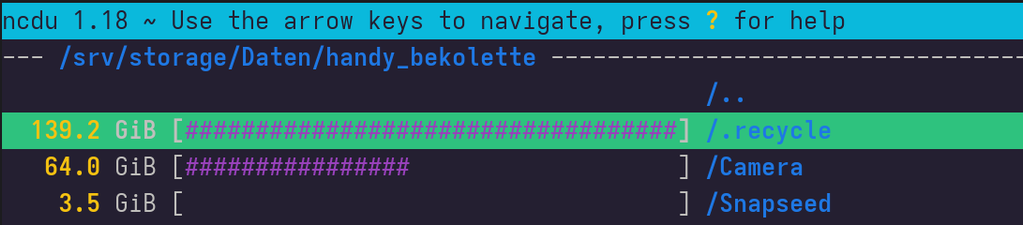
Wondered why my images folder is so huge. Turns out there's a hidden .recycle folder used by Samba/CIFS to act as network level trash bin. You know
 in case someone deletes something from a network share by accident.

So all the time I was freeing up space on purpose I ended up with an additional copy on the remote fs đŸ˜©

* I use the F-Droid app SMBSync2 to backup my images from the smartphone automatically to my local network share.

#smb #cifs #fdroid

We have a set of #CIFS #DFS servers in Europe and in America. The clients in Europe expect to automatically mount on the European DFS server, the ones in America in on the American DFS server.

Which works fine on Linux servers joined to the domain, using mount.cifs. If you define everything correctly that is (ad_site in /etc/sssd/sssd.conf, the networks in AD etc).

And still we had Linux servers being slow and getting data from the European DFS server, while others stayed on the American DFS server.... Unmount and mount didn't resolve it. Wireshark showed "Yes it tries the American one... And then moves to the European one!".

At the end, it was a DFS caching issue on the Linux servers: /proc/fs/cifs/dfscache showed the target to be to the EU server.

echo 0 > /proc/fs/cifs/dfscache, then remount, and all was fine again!

Another check in #nagios !