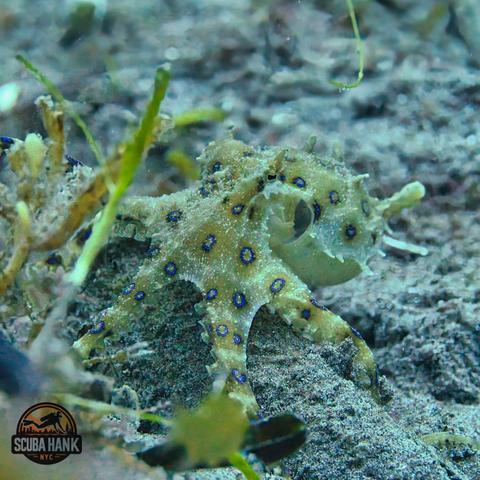
A British man on holiday in the Philippines has recorded himself handling a blue-ringed octopus, not knowing it is one of the world's deadliest creatures. The venom from its bite is estimated to be 1000 times more toxic than cyanide, but luckily the man escaped unharmed. #octopus #blueringedoctopus #animals #ocean #philippines

I had a lot of fun drawing the textures on these!

#octopus #blueringedoctopus #krita

Today, while wading through the rock pools, I encountered a deadly poisonous Blue Ringed Octopus.

#AboriginalLand #AlwaysWasAlwaysWillBe #Nature #BlueRingedOctopus #Nature #Poisonous #Deadly

Blue-Ringed Octopus: Small, Stunning, and Seriously Dangerous

During a dive trip to Dauin, Philippines, I was fortunate to spot an incredible ocean creature: the fearsome Blue-ringed octopus. Roughly the size of a golf ball, this tiny cephalopod doesn’t look intimidating at first glance. But when threatened, it lights up with neon-blue rings. It’s an unforgettable sight. The display serves as a reminder of just how wild the underwater world can be.

A Mesmerizing and Deadly Defense Mechanism

The Blue-ringed octopus is known for its brilliant iridescent rings, which pulse with color when the animal feels threatened. It’s a mesmerizing display—almost like it’s glowing from within. Behind that beauty is a serious defense mechanism. Its venom contains tetrodotoxin, a powerful neurotoxin. This toxin can paralyze and, in rare cases, kill a human within minutes. It is even more dangerous because it often appears calm and unassuming—until provoked.

Despite its deadly potential, the Blue-ringed octopus is not aggressive. Like most marine life, it only flashes its warning colors when it feels threatened. Responsible divers know to admire from a distance and respect its space.

The Mighty Blue-ringed Octopus

Macro Photography in Dauin

Dauin is a dream destination for macro underwater photographers. Black sand slopes and scattered coral patches create a perfect environment for rare critters. Some of these creatures are frogfish, ghost pipefish, flamboyant cuttlefish, and, of course, the Blue-ringed octopus. Finding one on a dive is a mix of luck, timing, and a good spotter—but when it happens, it’s magic.

#Adventure #BlueRingedOctopus #Nature #oceanCreatures #Octopus #Philippines #ScubaDiving #seaLife #Underwater #wildlife

How Male Octopus Avoid Being Cannibalised by Female  
Researchers have discovered that some male blue-lined octopuses have evolved a novel defence mechanism to avoid being cannibalised by the hungry...........
#Bluelinedoctopus #Blueringedoctopus #Cephalopod #Hapalochlaenafasciata #Octopus #Tetrodotoxin #TTX
Umesh Prasad

https://www.scientificeuropean.co.uk/sciences/biology/how-male-octopus-avoid-being-cannibalised-by-female/

How Male Octopus Avoid Being Cannibalised by Female  

Researchers have discovered that some male blue-lined octopuses have evolved a novel defence mechanism to avoid being cannibalised by the hungry females during

Scientific European

How Male Octopus Avoid Being Cannibalised by Female  
Researchers have discovered that some male blue-lined octopuses have evolved a novel defence mechanism to avoid being cannibalised by the hungry...........
#Bluelinedoctopus #Blueringedoctopus #Cephalopod #Hapalochlaenafasciata #Octopus #Tetrodotoxin #TTX
Umesh Prasad

https://www.scientificeuropean.co.uk/sciences/biology/how-male-octopus-avoid-being-cannibalised-by-female/

How Male Octopus Avoid Being Cannibalised by Female  

Researchers have discovered that some male blue-lined octopuses have evolved a novel defence mechanism to avoid being cannibalised by the hungry females during

Scientific European

How Male Octopus Avoid Being Cannibalised by Female  
Researchers have discovered that some male blue-lined octopuses have evolved a novel defence mechanism to avoid being cannibalised by the hungry...........
#Bluelinedoctopus #Blueringedoctopus #Cephalopod #Hapalochlaenafasciata #Octopus #Tetrodotoxin #TTX
Umesh Prasad

https://www.scientificeuropean.co.uk/sciences/biology/how-male-octopus-avoid-being-cannibalised-by-female/

Octopuses are highly intelligent creatures capable of solving puzzles, using tools, and even escaping enclosures. Their problem-solving skills are comparable to those of some vertebrates, making them one of the smartest invertebrates in the animal kingdom.

https://youtu.be/nyacibX52qI

Octopuses have three hearts—two pump blood through their gills, while the third circulates it to the rest of the body. Their blood is blue due to hemocyanin, a copper-based molecule that helps them transport oxygen in cold, low-oxygen environments.

The blue-ringed octopus, despite being only the size of a golf ball, is one of the most venomous animals in the world. Its venom contains a neurotoxin called tetrodotoxin, which can cause paralysis and is potent enough to be fatal to humans. The bright blue rings serve as a warning signal when the octopus feels threatened.

https://youtu.be/oIBqex8ghXc?si=DrW_8M2gmAn750gk

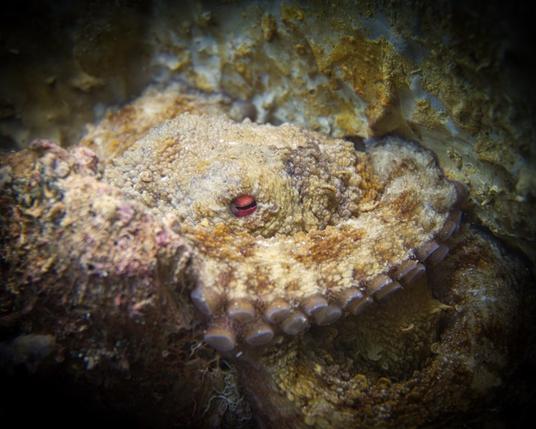
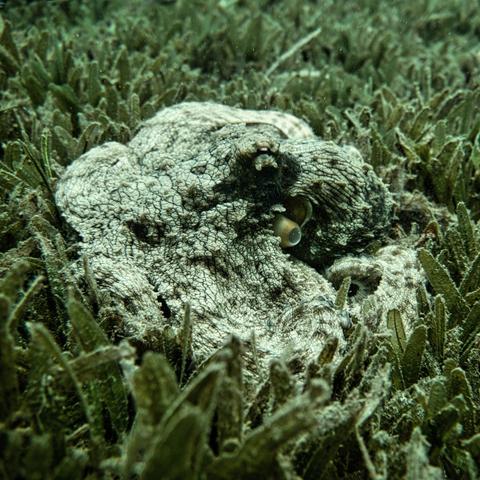
Octopuses have specialized skin cells called chromatophores that allow them to change color, texture, and pattern almost instantly. This helps them blend into their surroundings, evade predators, or communicate with other octopuses.

Share this:

https://scubahanknyc.com/2024/10/08/octopus-intelligence-camouflage-and-sometimes-deadly/

#BlueRingedOctopus #ecotourism #Nature #Octopus #Photography #UnderwaterVideo #wildlife

Beneath the Moon: Grenada's Octopus in the Night Sea

YouTube