WG3 is now presenting. One of the things shown by Alex Dickens (Turku) is results for validation of a mass scale device to measure blood lipids (#bileAcids).

Are we going to see a new era of diagnostics in human health? #epilipidnet

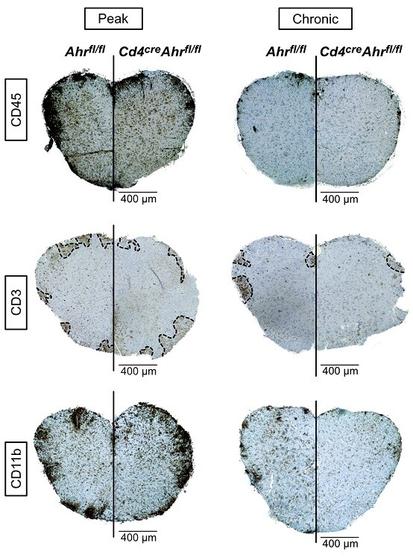
#MultipleSclerosis & the #microbiome: Deleting the aryl hydrocarbon receptor (a sensor for gut #microbiota) in #Tcells triggers a change in intestinal #BileAcids & short chain #FattyAcids, which appear to protect against MS. @GaultierAlban &co #PLOSBiology https://plos.io/3lsPhS2
The activity of the aryl hydrocarbon receptor in T cells tunes the gut microenvironment to sustain autoimmunity and neuroinflammation

Multiple sclerosis is a T cell-driven autoimmune disease that is linked to both gut flora and external environmental factors. This study shows that deleting the aryl hydrocarbon receptor (a sensor for the gut microbiota) in T lymphocytes triggers a change in intestinal bile acids and short chain fatty acids, which appear to protect against multiple sclerosis.

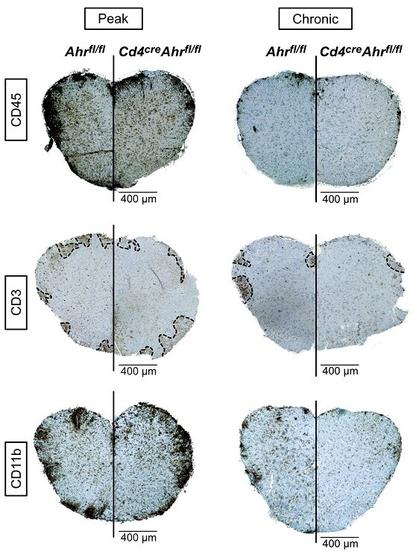
#MultipleSclerosis & the #microbiome: Deleting the aryl hydrocarbon receptor (a sensor for gut #microbiota) in #Tcells triggers a change in intestinal #BileAcids & short chain #FattyAcids, which appear to protect against MS. @GaultierAlban &co #PLOSBiology https://plos.io/3lsPhS2
The activity of the aryl hydrocarbon receptor in T cells tunes the gut microenvironment to sustain autoimmunity and neuroinflammation

Multiple sclerosis is a T cell-driven autoimmune disease that is linked to both gut flora and external environmental factors. This study shows that deleting the aryl hydrocarbon receptor (a sensor for the gut microbiota) in T lymphocytes triggers a change in intestinal bile acids and short chain fatty acids, which appear to protect against multiple sclerosis.

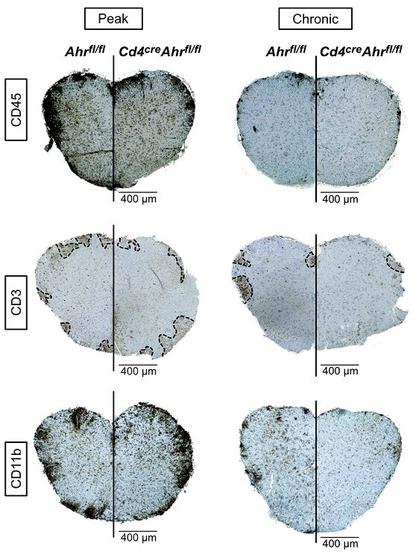
#MultipleSclerosis & the #microbiome: Deleting the aryl hydrocarbon receptor (a sensor for gut #microbiota) in #Tcells triggers a change in intestinal #BileAcids & short chain #FattyAcids, which appear to protect against MS. @GaultierAlban &co #PLOSBiology https://plos.io/3lsPhS2
The activity of the aryl hydrocarbon receptor in T cells tunes the gut microenvironment to sustain autoimmunity and neuroinflammation

Multiple sclerosis is a T cell-driven autoimmune disease that is linked to both gut flora and external environmental factors. This study shows that deleting the aryl hydrocarbon receptor (a sensor for the gut microbiota) in T lymphocytes triggers a change in intestinal bile acids and short chain fatty acids, which appear to protect against multiple sclerosis.

Pamer discusses dysbiosis and altered metabolomes in chronic liver disease patients and liver transplant patients, which had not been studied in depth. A decrease in obligate anaerobes, #SCFA and secondary #BileAcids seem hallmarks #KSMicroResistance22
Changes in bile acids may be linked to diabetes in young children

Disturbances in the interaction of bile acids with the inborn microflora in the intestines can increase the risk of type 1 diabetes. This is shown in a new study on children's first years of life.

Medical Xpress