 RosieB's BelmonTia PFS
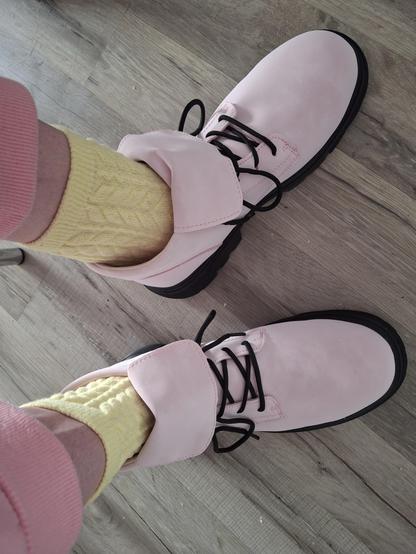
#ADNotam #shoes #ankleboots #pink
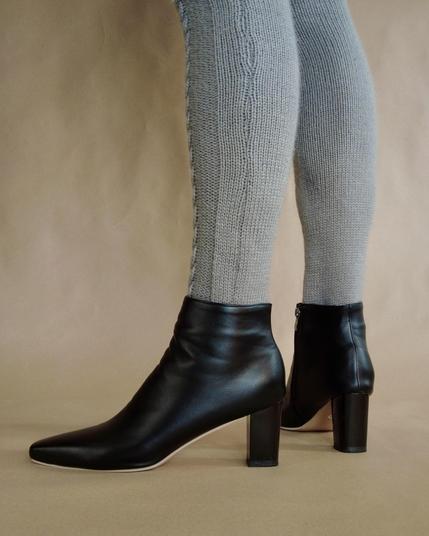
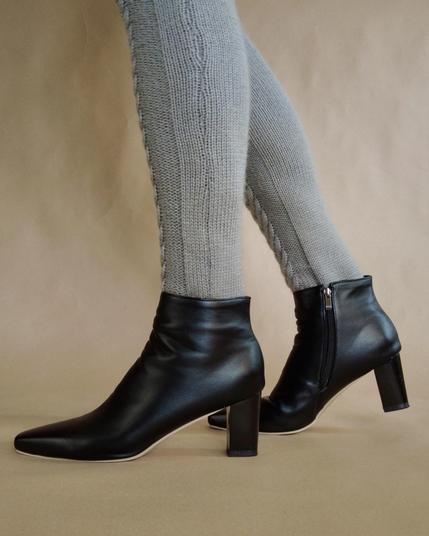
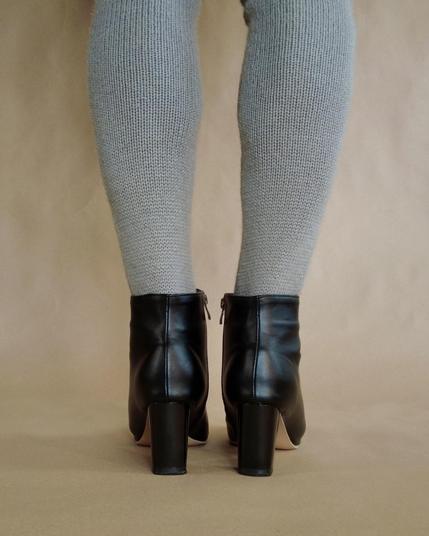
Lovely big boots.
Feels like floating on breathy air ☁️
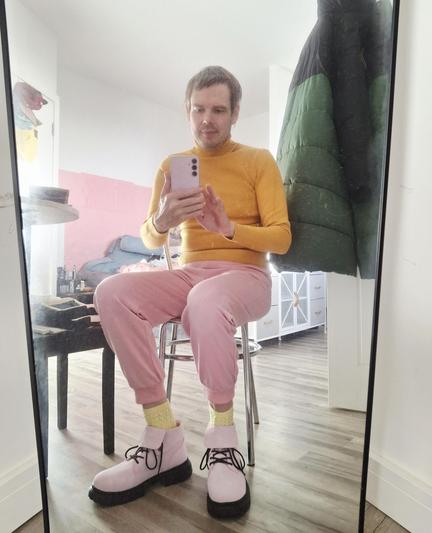
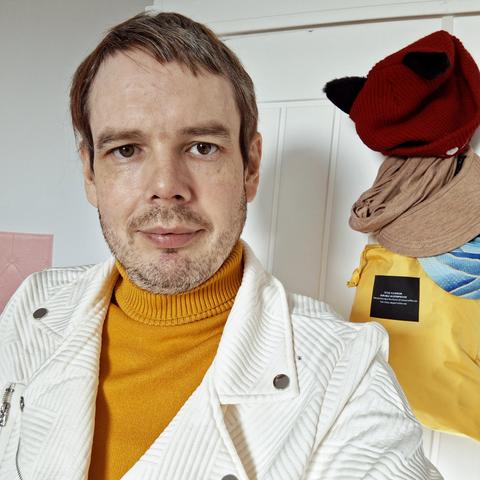
#ADNotam #shoes #ankleboots #pink
Lovely big boots.
Feels like floating on breathy air ☁️
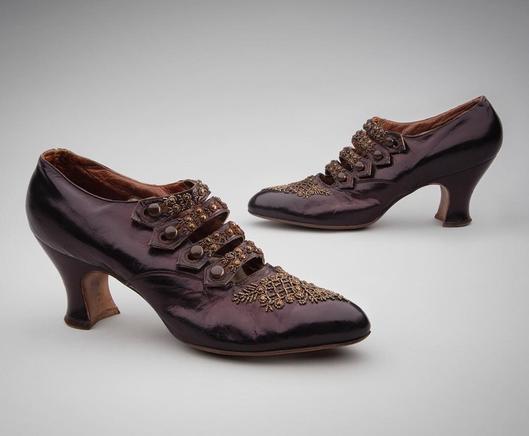
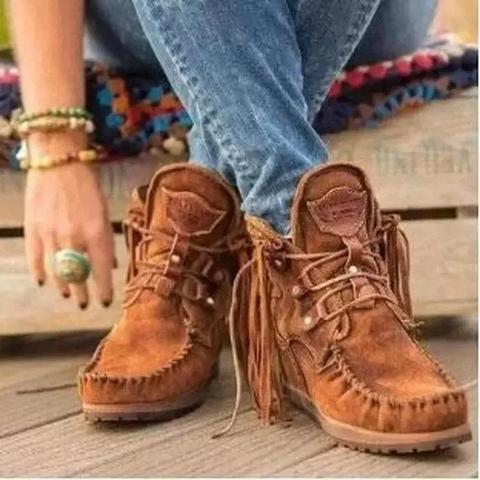
📰 Today's top stories, personally curated for you by Zorz Studios: http://zorz.it/newspaper
- #AnnieLeibovitz is the #WPPI2026 keynote speaker;
- What is the power of #storytelling in #business?
- Runway #romance on Lake Como;
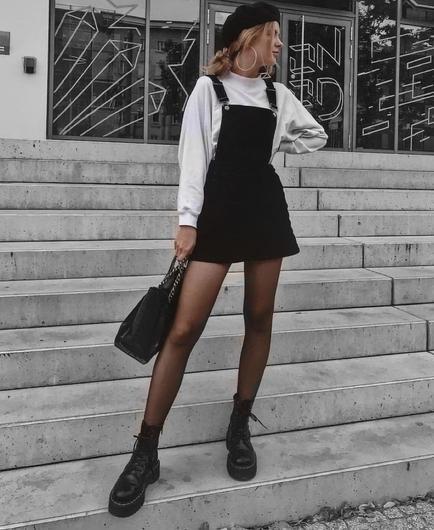
- Feet first: what to wear with #AnkleBoots;
- 10 must-see shows during #ArtBaselParis2025, and more


Shoe Fetishism: History, Psychology, and Cultural Impact https://maramenoci.com/shoe-fetishism-history-psychology-and-cultural-impact/
#ShoeFetish #FootwearLover #ShoeObsession #HighHeelAddict #LeatherShoes #StilettoLove #BootsFetish #SneakerFreak #ShoeAddiction #SoleLover #HeelsAndFeet #FootwearFashion #ShoeCollection #SexyShoes #StrappyHeels #ShoeLust #PumpsAddict #SandalFetish #FootwearEnthusiast #LacedBoots #DesignerShoes #HeelsForDays #ShoePassion #ShoesOfTheDay #FootFetishCommunity #AnkleBoots #ShoeCrush #HeelsHeaven #CuteShoes #Custom
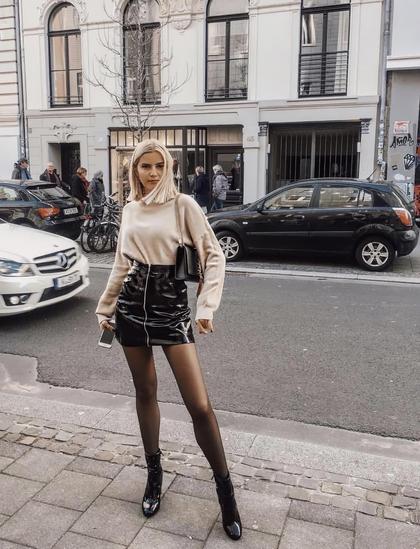
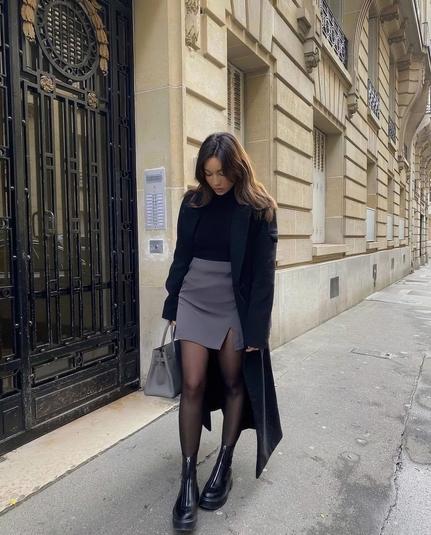
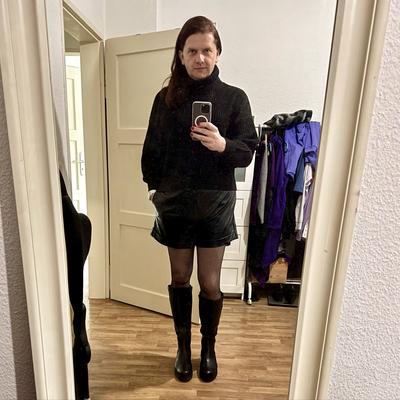
Where I live you’ve got to have several pairs of good winter boots, like these riding boots – custom made in EU size 47, water resistant, with winter lining.
 SFO Museum's Instagram Bot
 LandingStream
 Zorz Studios
 Maramenoci.com
 Darkkeil
 Dr. Strangebow